
Curated by Vanessa Mangiavacca and Alice Capitani
Work is one of the great myths of the collective consciousness of Western capitalist society, an inextricable knot of social, economic and cultural challenges that shape who we are. Assembly lines, exploitation, invisible acts of care, abuses and precariousness: the belief that work is a means of personal fulfillment falls to pieces.
Yet, work is also a means of emancipation and affirmation, a right to be defended collectively, although it gets easily ignored, even when we have the possibility to express ourselves on it, as confirmed by the failure of the recent Italian referendums on labour rights. Get to Work focuses on rights and protections, with a selection of international short films. Stories of life that often get shattered, that develop among mines, factories, butcher shops and building sites: places marked by the tough work of male bodies. Indeed, men are the protagonists of such spaces, showing how narratives can propagate hierarchies and gender stereotypes in workplaces.
For this first edition, we have chosen not to include stories of working women, aware of the different layers to be considered in relation to the connection between public and private, home, work and society. In this way, Get to Work embraces two important and urgent contemporary issues, i.e. the environmental crisis and immigration, in the hope that they will soon be part of the same fight.
The selected films
Curated by Vanessa Mangiavacca and Alice Capitani
24 Cinematic Points Of View Of A Factory Gate In China by Ho Rui An, Singapore, Spain, 2023, 25′
In Retrospect by Mila Zhluktenko & Daniel Asadi Faezi, Germany, 2025, 14′
Mercenaire by Pier-Philippe Chevigny, Canada, Quebec, 2024, 15′
Niederurnen, GL by Anna Joos, Switzerland, 2025, 20′
Progress Mining by Gabriel Böhmer, UK, Switzerland, 2024, 16′
Trokas Duras by Jazmin Garcia, USA, 2025, 17′
Films reviewed by Vanessa Mangiavacca and Alice Capitani
24 Cinematic Points Of View Of A Factory Gate In China by Ho Rui An
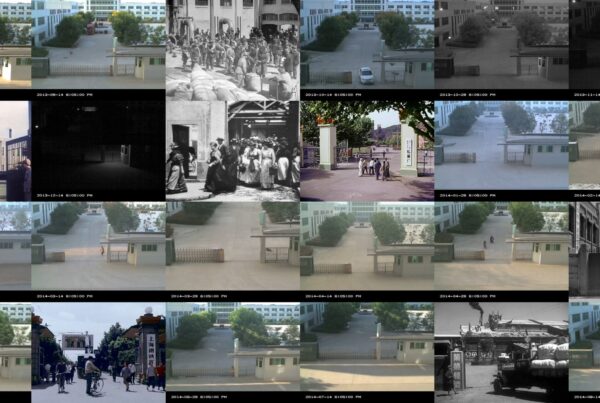
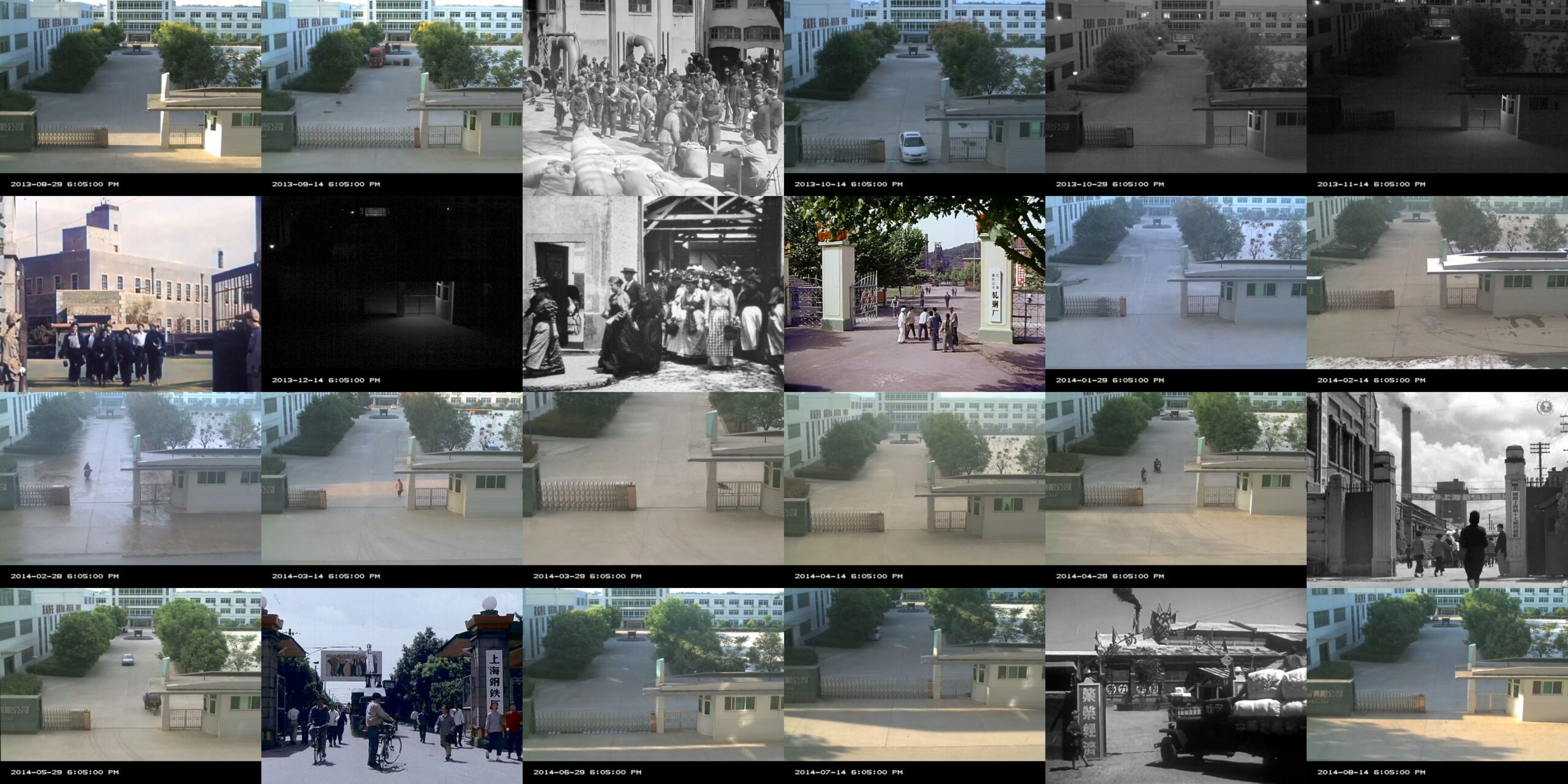
Cinema, since its origins, has repeatedly immortalised the movement of factory workers leaving the factory. The gate is the symbolic boundary that separates private life from productive life, the passage that marks the transition from individual to social class. If in La sortie de l’usine by the Lumière brothers – how much can that very short work of a few seconds, made 130 years ago, still be questioned? – a crowd of workers flows compactly out of the workplace, in the surveillance footage shot in front of some Chinese factories between 2013 and 2014, the passage of people is so rare that it can be counted on the fingers of one hand. How to pass through those “gates”? How to interrogate such immobile and static visual fields? Can a shot taken outside the factory tell us what is happening inside it? Starting with a mosaic composed of 24 different points of view, Ho Rui An guides us in an analysis that questions the very language of images. The Chinese Cultural Revolution is revealed in its twilight, and the filmic space is overturned: the factory is no longer a place separate from private life, but merges with it, until it becomes a single, all-encompassing environment.
In Retrospect by Mila Zhluktenko & Daniel Asadi Faezi
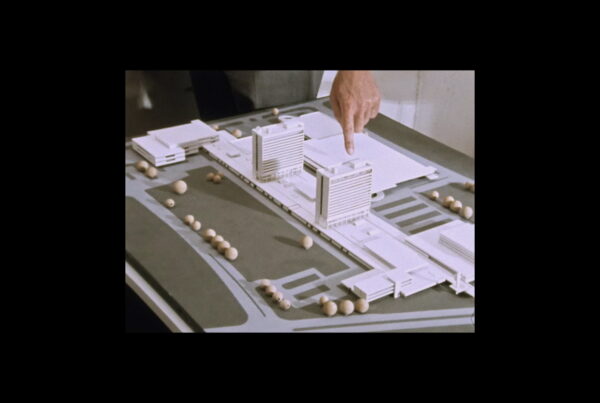
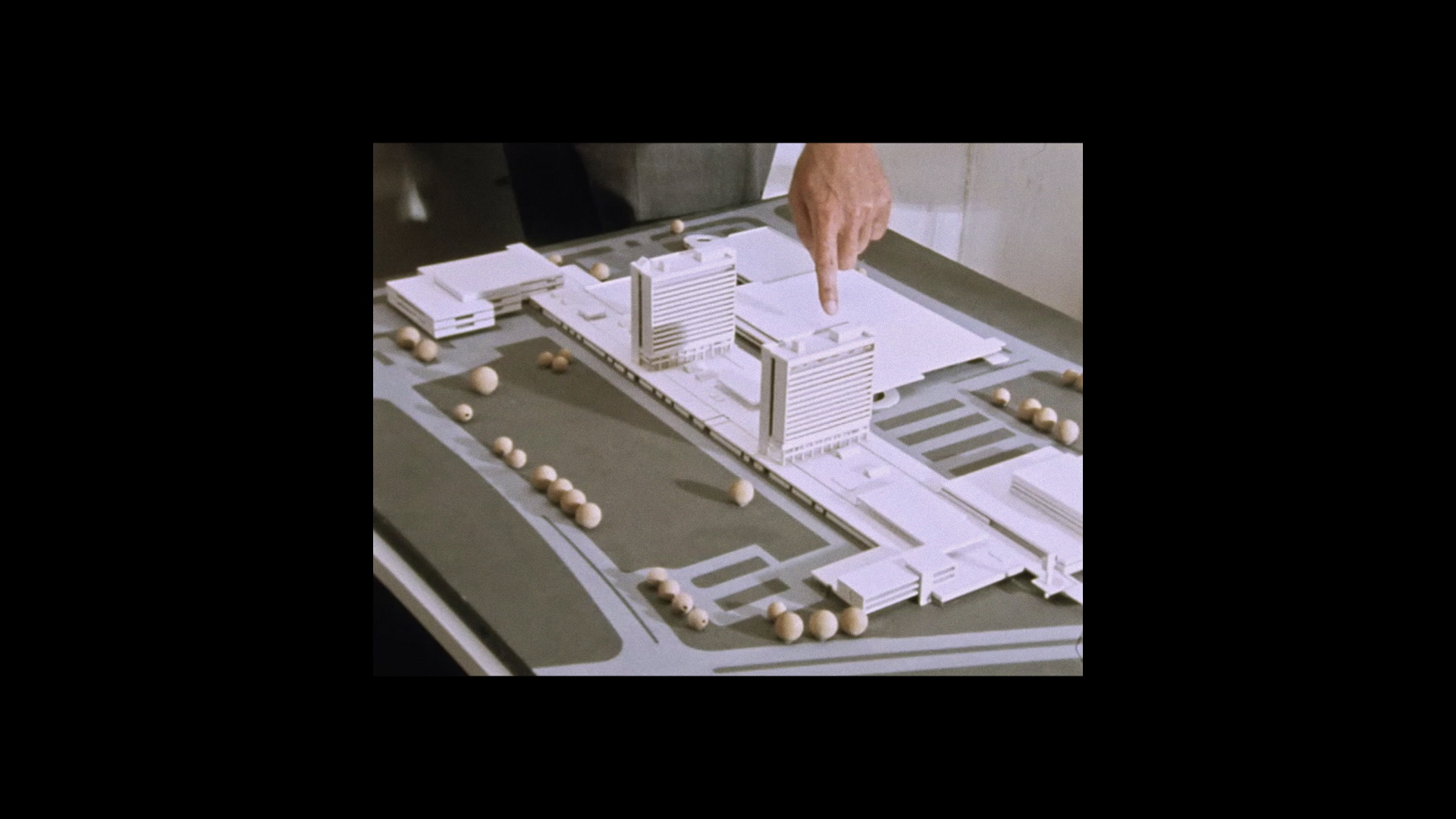
Bricks, roads and bridges tell a story that the public and collective memory often ignores: the story of foreign bodies that have contributed – and continue to contribute – to the foundations of our well-being. Daniel Asadi Faezi and Mila Zhluktenko collect heterogeneous archive materials to shape a political manifesto against the structural and widespread racism of contemporary German society. At the centre of their reflection is a symbolic place: the Olympia shopping mall. Designed between 1970 and 1972 as part of a major urban development, the complex was intended to mark a discontinuity from the 1936 Olympics and the ideological meanings attached to it. It was largely built by the Gastarbeiter – migrant workers from Turkey, Italy and Yugoslavia – who made the economic miracle of post-war Germany possible. Yet this very place built by migrant labour became the scene of a racist attack in 2016 in which nine people of non-German origin were killed. That synonym of the future and Western progress became the emblem of the historical, social and racial contradictions that run through Europe today.
Mercenaire by Pier-Philippe Chevigny
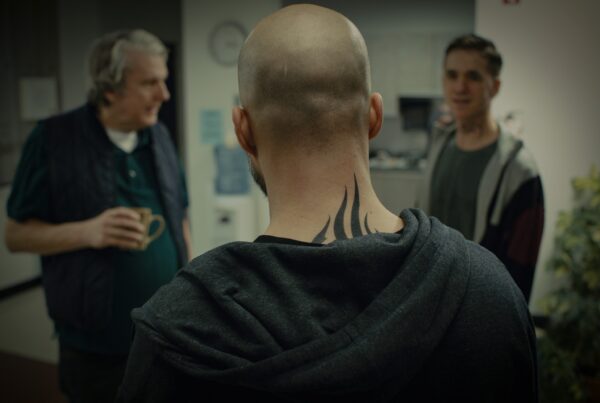
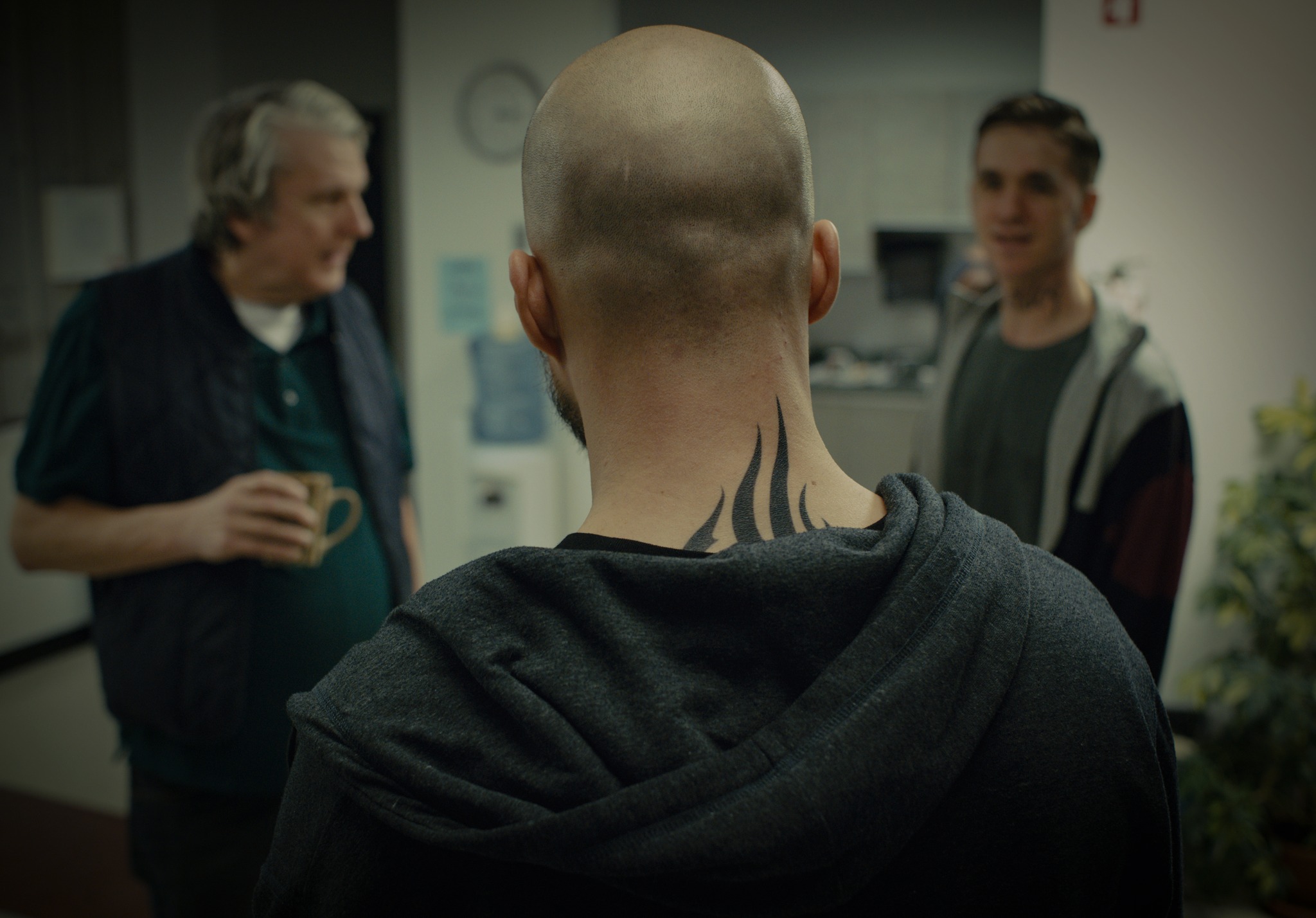
Shot in 1:1, with the camera closely following the main character, Mercenaire delivers a “harrowing social portrait”, as the director himself describes. David, who recently got out of prison for a murder we know nothing about, is unwillingly hired at a pig slaughterhouse thanks to a social reintegration programme. But how can one reintegrate into a society that sees you as capable only of committing violence? It is no coincidence that the slaughterhouse industry—today struggling to find workers—turns to ex-convicts, a labour force rejected by much of the job market and forced back into the cruel mechanisms they had left behind after detention, just to earn a living. A frank and at times brutal short film which portrays the despair of a fragile social class and the horror of slaughterhouses.
Niederurnen, GL by Anna Joos
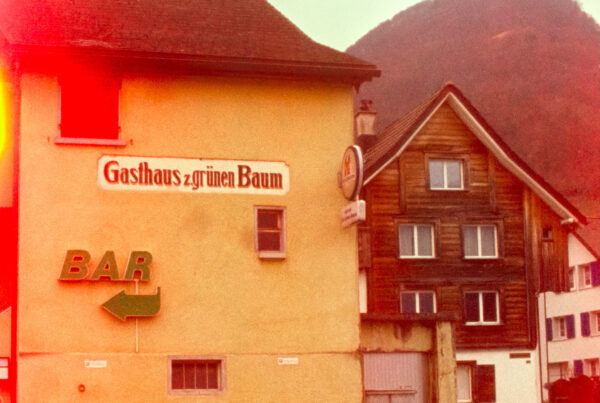
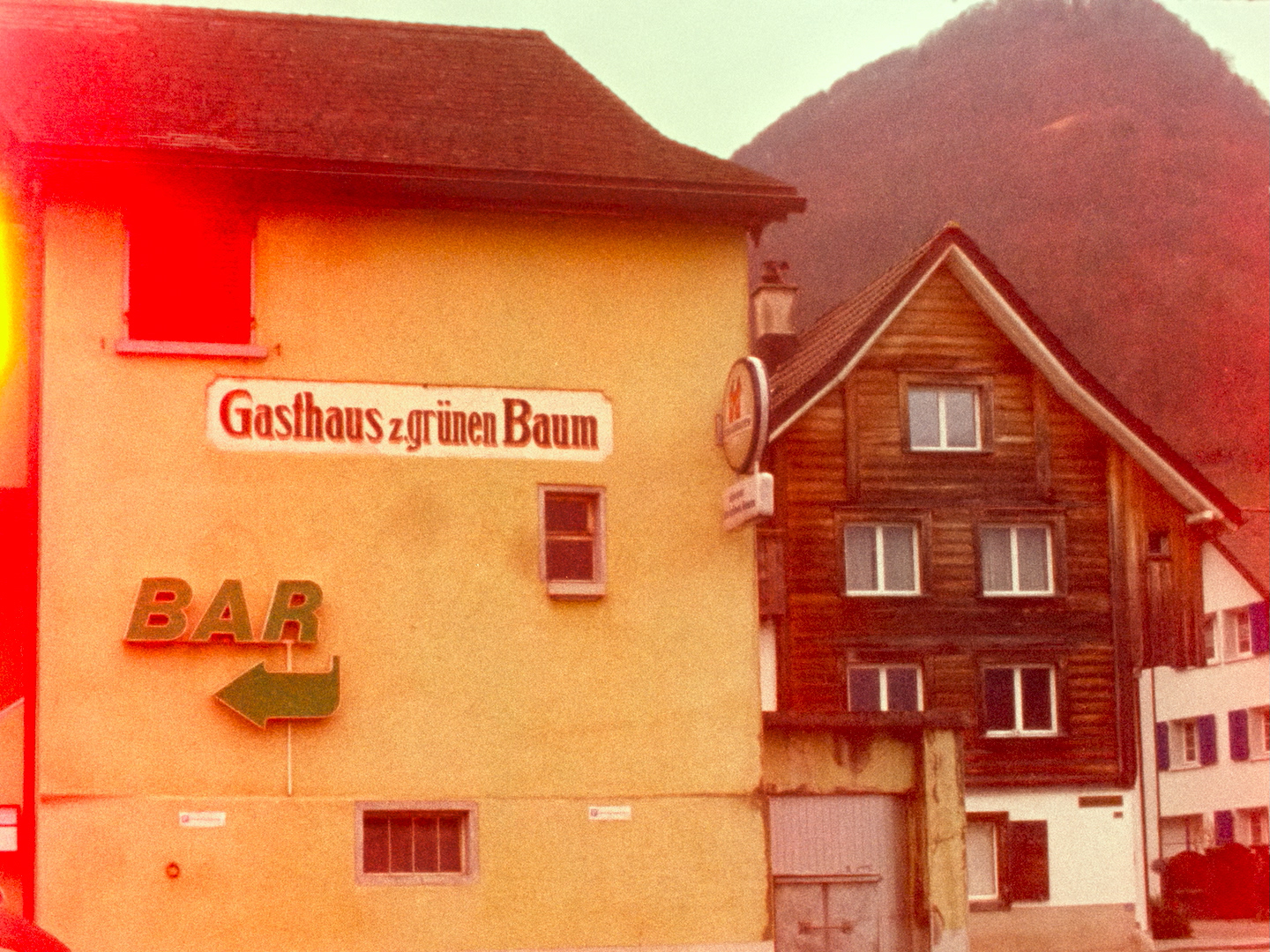
The Swiss chapter of the asbestos tragedy goes hand in hand, in many ways, with the Italian one. Then as now, the heaviest and most dangerous jobs are often carried out by immigrants, and so it was in Niederurnen, the site of the first factory of the infamous Eternit AG in the Canton of Glarus, which became a destination for many Italian Gastarbeiter employed in the extraction and processing of asbestos. By weaving together archive footage and interviews with relatives and survivors, Anna Joos shows how the humble hopes of a working class discovering the prosperity of a foreign country are tragically dashed by an industrial progress that shows no mercy. A short film that tells the story of those who remained and those who unwillingly left, demanding justice and laying bare the negligence that characterised asbestos production in Switzerland, the violation of workers’ rights, and the refusal to recognise the true extent of the damage caused.
Progress Mining by Gabriel Böhmer
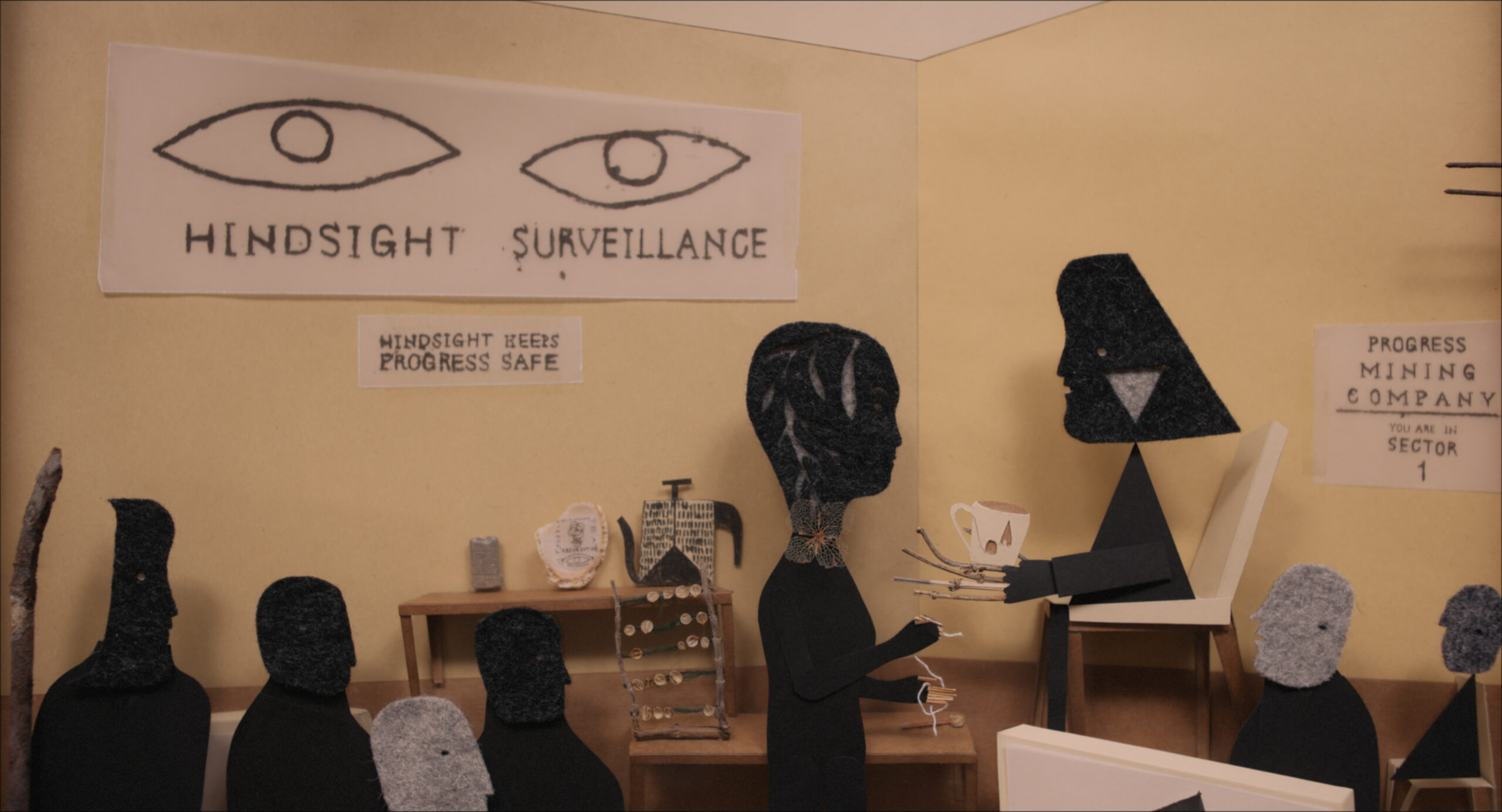
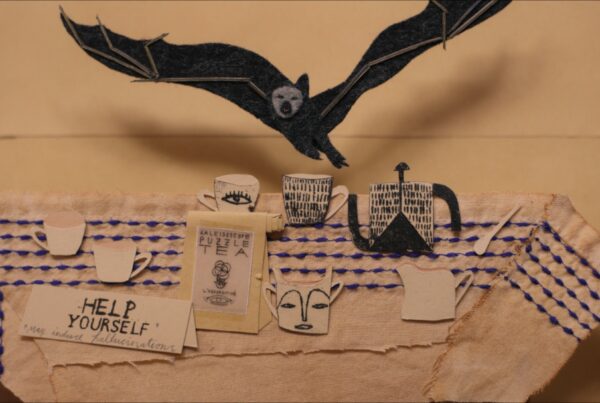
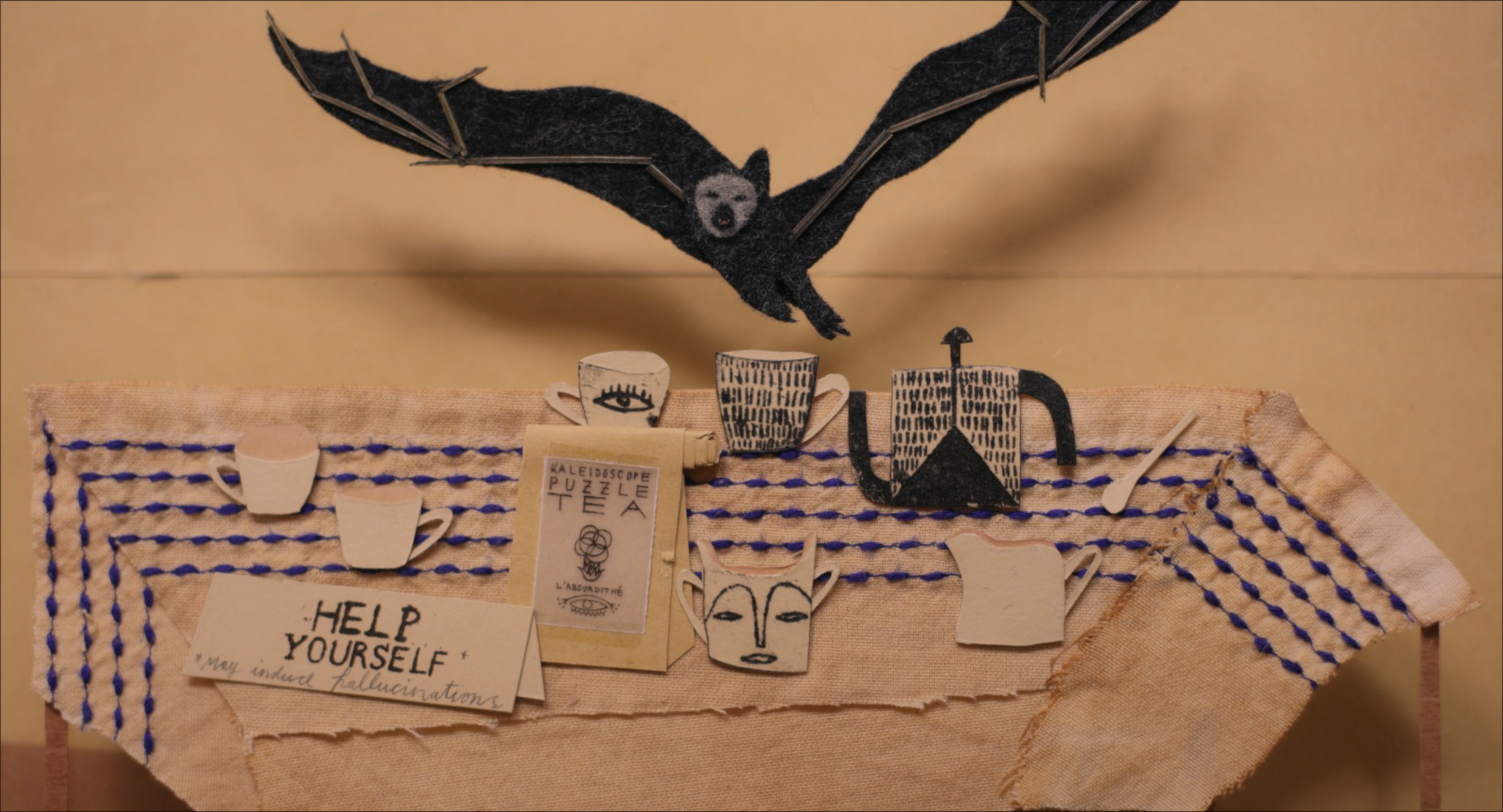
“Feed the monster, have a cup of tea, and if it’s your first day – don’t pay attention to anything peculiar”: Progress Mining is a surreal and provocative satire on the absurdity of modern-day capitalism. The stop-motion animation, with its irregular style – stitched fabrics, pulled threads, distorted proportions – depicts a system on the verge of collapse, held together only by bizarre rituals and a refusal to change. The mine is literally falling to pieces, and the rules in place make no sense, yet the workers continue to follow them blindly, never daring to question them. With biting irony, Gabriel Böhmer reminds us how many lies we tell ourselves to keep the machine of “progress” running, and how easy it is to lose our humanity in the process.
Trokas Duras by Jazmin Garcia
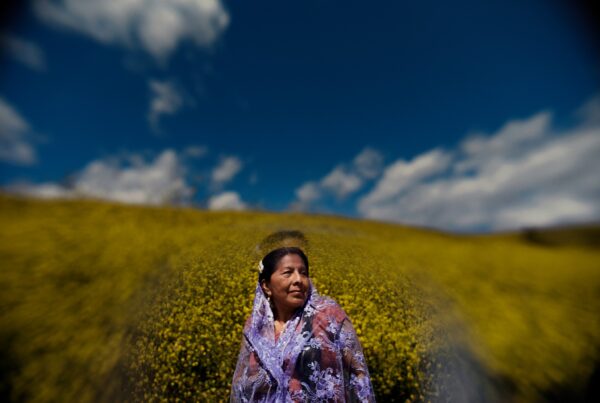
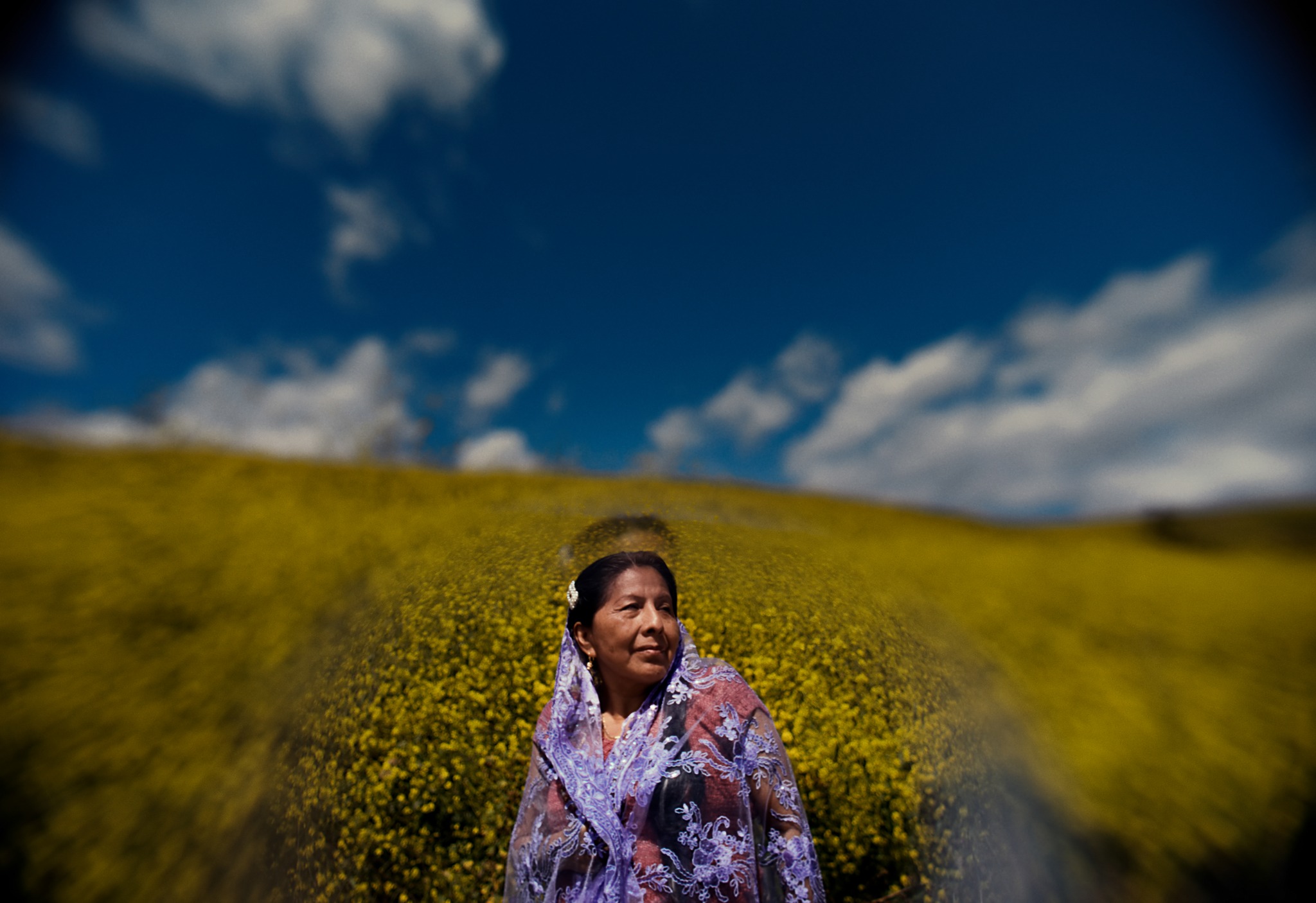
A colourful magical realism embraces brief moments in the lives of some jornaleros in the city of Los Angeles. Winner of the Best US Short Fiction Film Award at the Sundance Film Festival, Trokas Duras provides an unprecedented and vibrant look at the everyday life of the Latin American day labourers who populate – and sustain – the US metropolis. Indeed, the title itself recalls their carefully and imaginatively decorated trucks. Through an almost episodic and highly expressive narrative, Jazmin Garcia goes beyond the boundaries of classical fiction and elevates her protagonists – real people encountered in car parks and employment centres – to central figures of the story. The shots from below, the pronounced use of colour and the framing of bodies in nature, as well as the Latin American melodies, restore voice and proud dignity to the stories of invisible workers, celebrating their strength, beauty, vitality and everyday ingenuity.




Commenti recenti