
curated by Chiara Ghidelli and Chiara Granata | reviews by Chiara Ghidelli
As part of its 2025 edition, Concorto Film Festival explores once again the third year, the themes of the Mnemosyne focus, dedicated to the reuse of archival materials. The focus recalls the title of the work with which Warburg showed the extent to which our visual culture has been crossed by images meant to return. What Mnemosyne wanted to tell then is the cultural value and the linguistic versatility of these “returning images”, so-called found footage. These are materials that are now experiencing a new springtime thanks to great successes ranging from authorship to mainstream, from niche to trend.
Confirming once again the power of archives, which have now emerged from purely popular and documentary narratives, the third edition of Mnemosyne will focus on works that, turning to found footage, address a new way of understanding fiction and the search for new narrative formulas that are able capable to transform an existing document into a new reality.
The selected shorts
curated by Chiara Ghidelli and Chiara Granata
J’avais Fui (Running Away) by Anas Salaheldin, Anne Boffy, Germany/Egypt/France, 2025
Le Prime Volte (The First Times) by Giulia Cosentino, Perla Sardella, Italy/Spain, 2025
Some Thoughts on the Common Toad by G. Anthony Svatek, USA, 2023
The Flowers Stand, Silently Witnessing by Theo Panagopoulos, UK, 2024
Vollupya by Éri Sarmet, Jocimar Dias Jr., Brazil, 2024
J’avais fui (Running Away) by Anas Salaheldin, Anne Boffy, Germany, Egypt, France (2024)
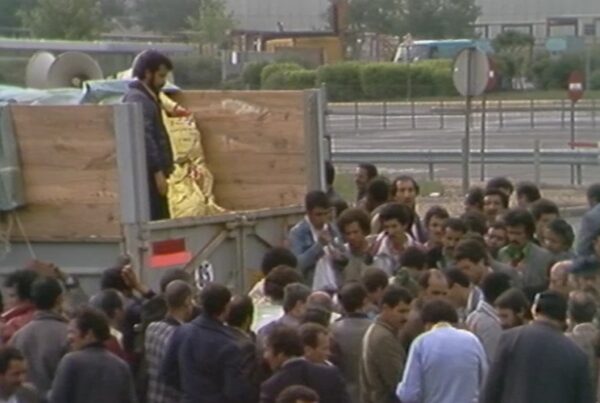
The narrating voice in J’Avais Fui film reads excerpts Édouard Louis’ autobiographical book Changer: méthode published in 2021 and traces some of its main topics. The story is about escape and quest for revenge, and is told through a collage of archive images from different areas of France and depicts a confrontation with one’s past version, a dialogue between the present self and the infant self, an analysis of what one has become as a result of where one grew up due to the choice of others. A necessary escape, but first and foremost a political one.
Le prime volte (The First Times) by Giulia Cosentino, Perla Sardella, Italy and Spain (2025)
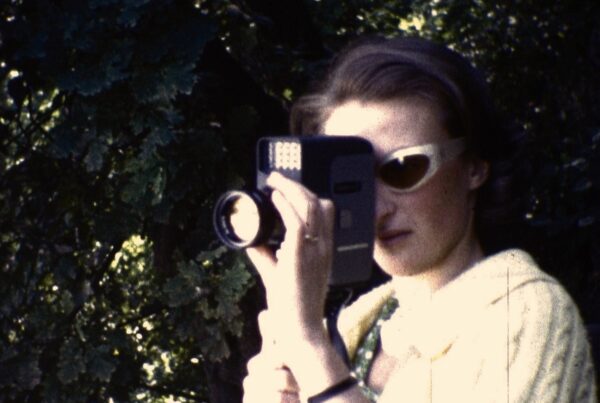
“Did I choose what I really wanted or only what I could imagine? This question haunts me”. This is one of the questions that Emilia and Caterina ask each other in an exchange of letters as they recall youth in a boarding school in the 50s. By telling both minor and major stories, Le Prime Volte claims a particular point of view: that of a woman prevailing over the man’s gaze, or, in other words, the perspective of someone who could actually watch and see. This story creates a collage in time, a collage made of reality and fiction, depicting the historical evolution of power and roles attempting to provide an ending that is, if not happy, at least filled with anger.
Some Thoughts on The Common Toad by G. Anthony Svatek, USA (2023)
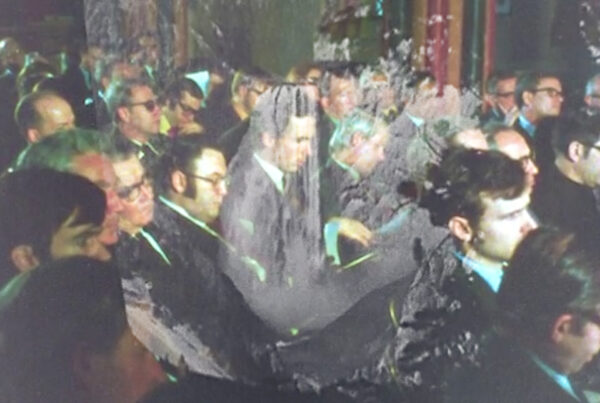
Some Thoughts on the Common Toad is a collage film based on George Orwell’s homonymous book that encourages the viewer to consider beauty as a political act. Created by cleverly assembling several public archive materials, and narrated by Tilda Swinton, the film features essayistic features, encompassing zoology, anthropology, and history. As stated by G. Anthony Svatek: “nature has become an increasingly mediated and abstract experience, radiating through digital screens or confined to artificial sanctuaries. In the film, nature itself has become a distant memory, as images of today’s wars and environmental destruction echo from our era into Orwell’s and vice-versa. The toad’s croaking sound has the power to remind us of this cycle of history”.
The Flowers Stand, Silently Witnessing by Theo Panagopoulos, UK (2024)
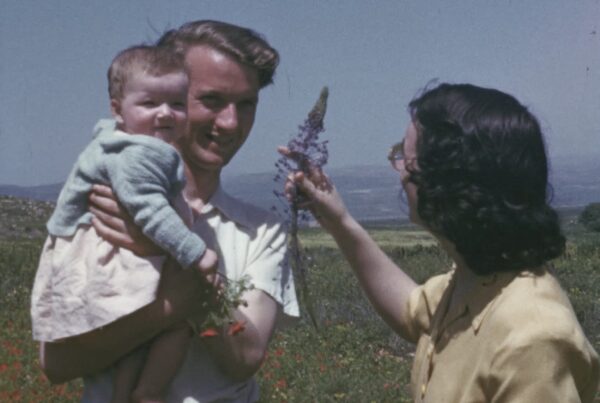
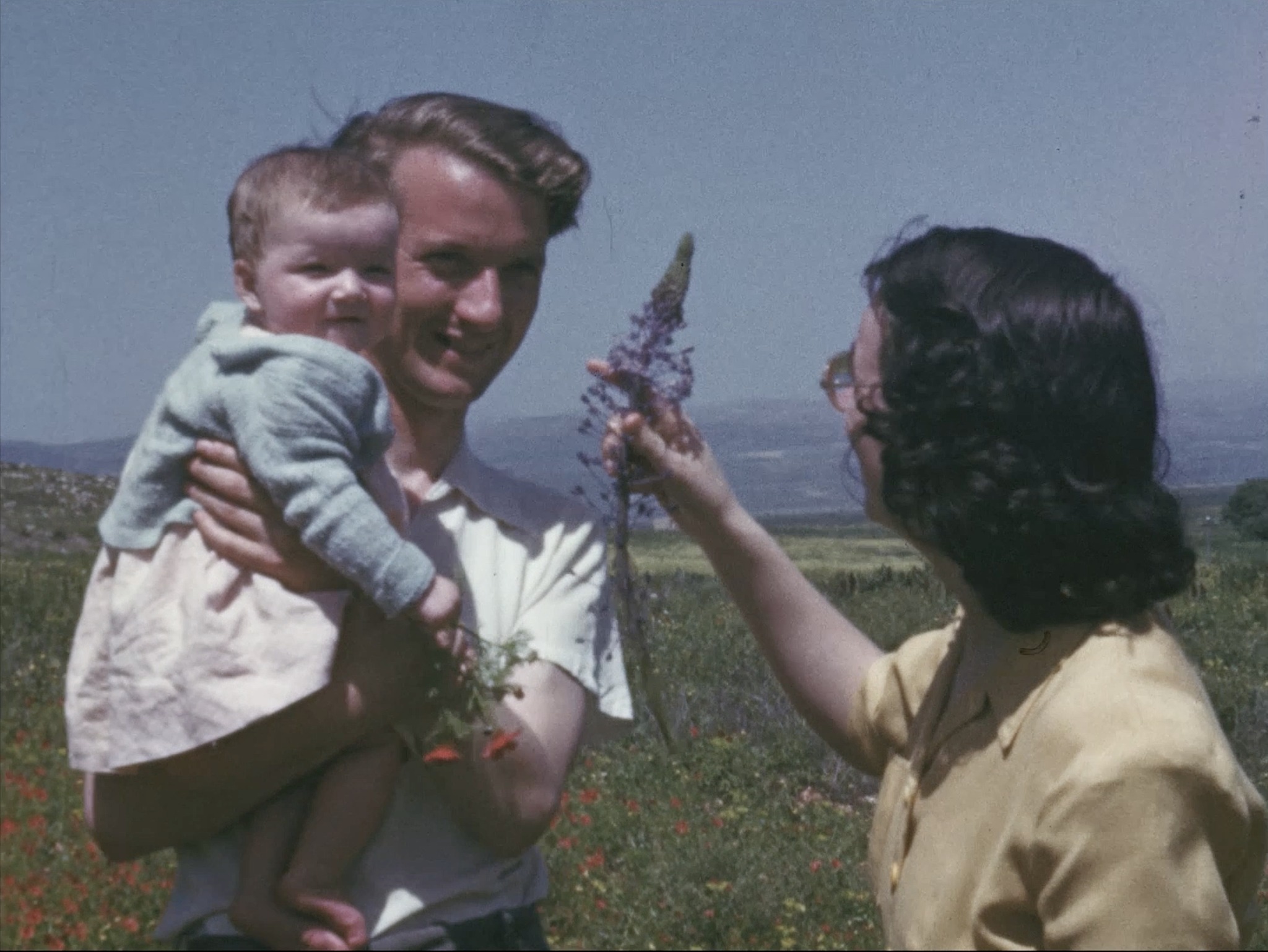
Between the 30s and the 40s, a Scottish man decided to create a film archive of Palestinian wild flowers, a country that was under UK administration at that time. Using a 16mm film, he captured the first color footage of that area. Almost a century later, in 2023, a young Palestinian filmmaker living in Scotland, Theo Panagopoulos, discovered this unknown archive and decided to digitize two of these botanical films, namely Wild Flowers of Palestine and Floral Beauty of the Holy Land. In these 45-minute-long films, only 2 minutes and 13 seconds portray images of Palestinian women and men. This is the umpteenth dissonance, the umpteenth substitution and marginalization, the umpteenth transcription of a past that tells about a culture whose history focuses on resistance, and whose identity is very lively and colorful.
Vollupya by Éri Sarmet, Jocimar Dias Jr., Brazil (2024)
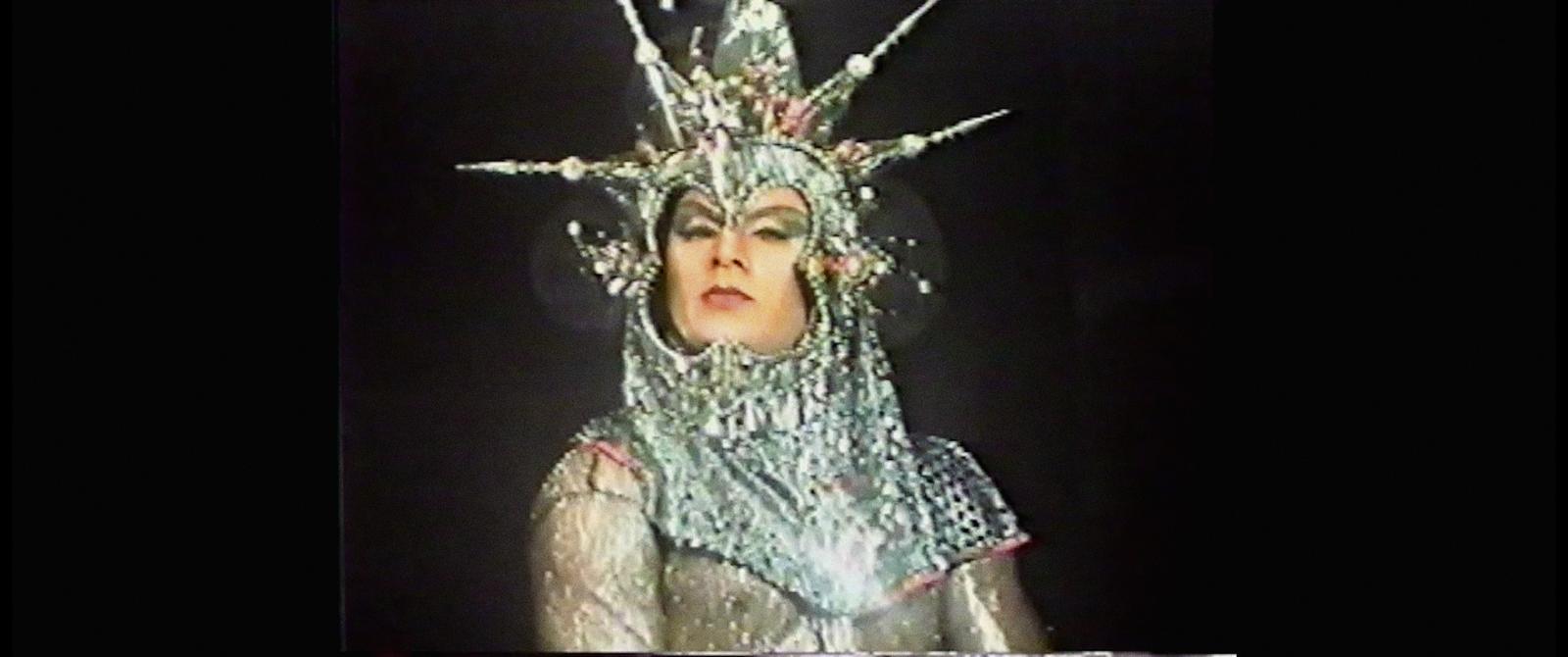
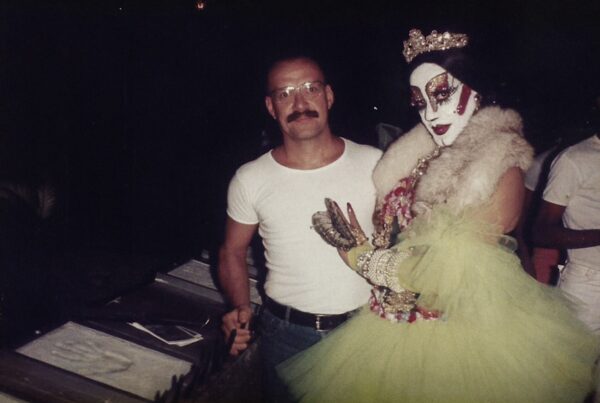
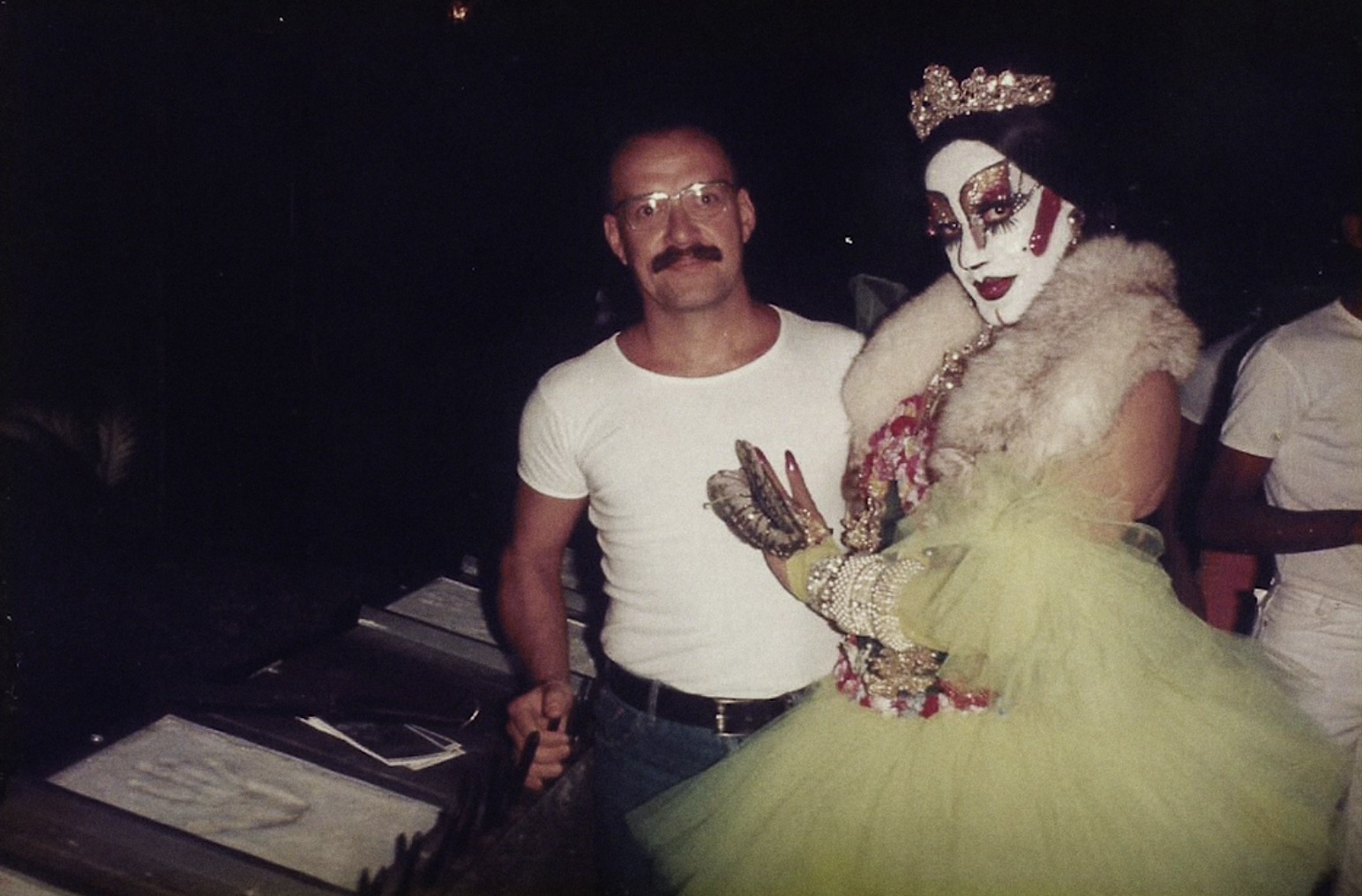
This short film’s genre has been extensively used in recent archive films, namely science fiction with a dystopian and post-apocalyptic nuance. This film by Éri Sarmet and Jocimar Dias Jr. gives the viewers access to a priceless archive of Vollupya, a Brazilian queer club from the 90s. Set within a fictional frame made up of images shot from scratch, an intergalactic explorer discovers this archive as if it were an archaeological relic. The ancient voices of those people who once inhabited that place tell a story of independence and conquering free spaces, of survival, of community, of freedom that was and will always be avant-garde.





Commenti recenti