
After yesterday’s exciting opening night, Concorto Sunday moves confidently toward a full day of cinema and good entertainment. 🙂
At 9:00 PM sharp in Parco Raggio, the spotlight will be on the competition films, while at 11:00 PM an essential event awaits: the opening of the exhibition HeArt of Gaza – Children’s Art from the Genocide, curated by Casa Nome Collettivo. A necessary exhibition that we warmly invite you to visit—it will be open every evening until the end of the festival, and you’ll also have the chance to adopt an artwork; proceeds will go toward the purchase of essential goods.
After that, at 11:45 PM, the first slot of Guilty Pleasures!
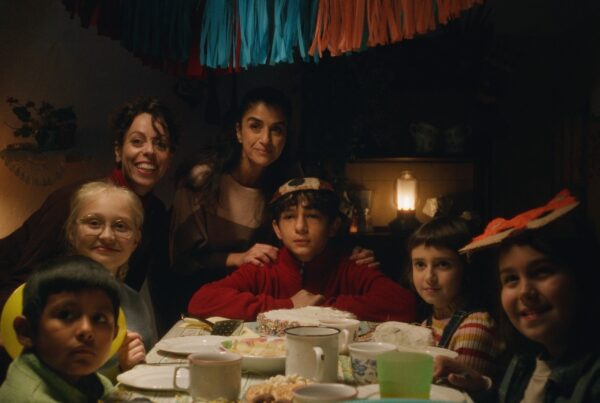
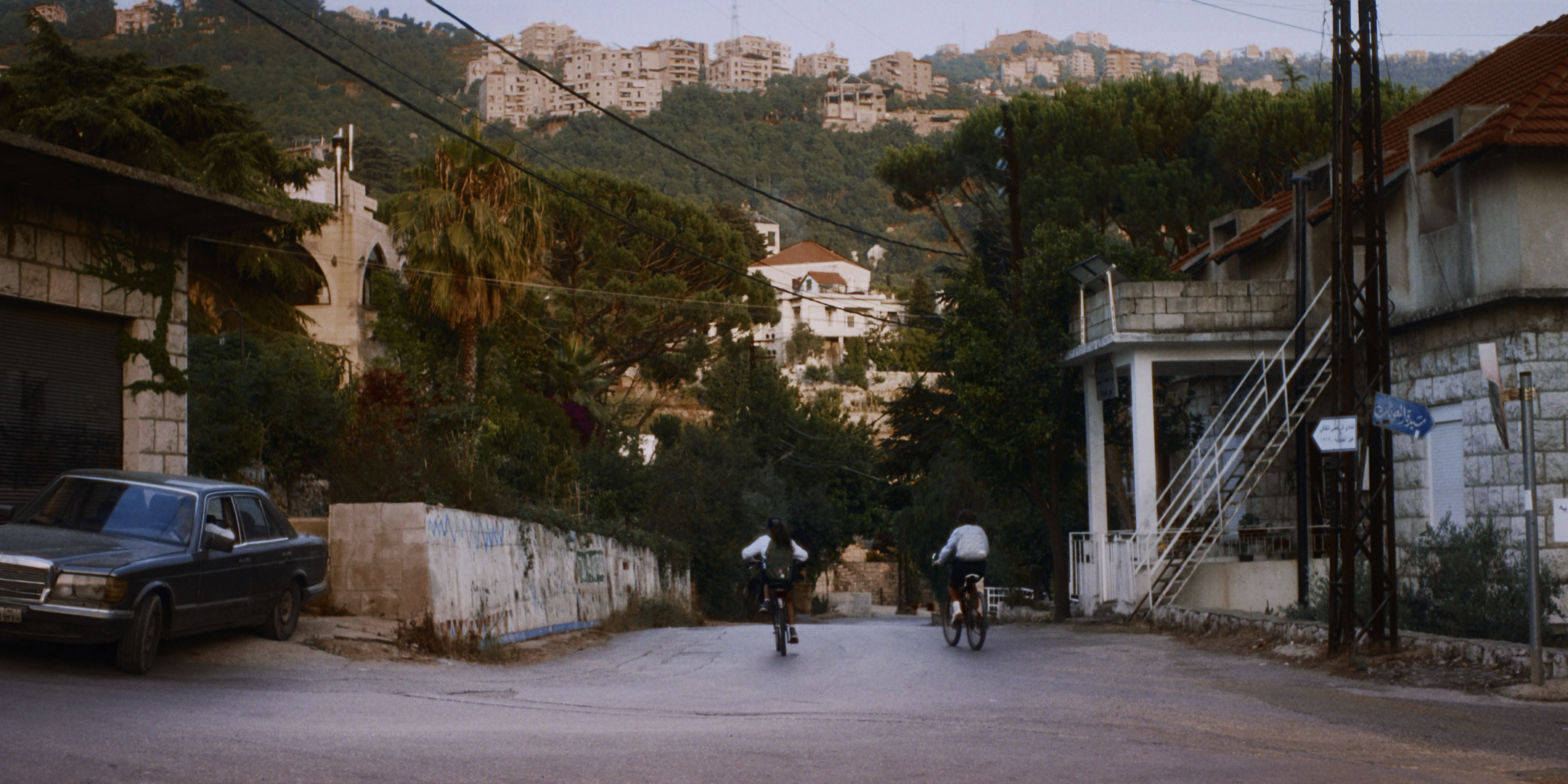
Le diable et la bicyclette – Sharon Hakim
As seen by Alice De Vito
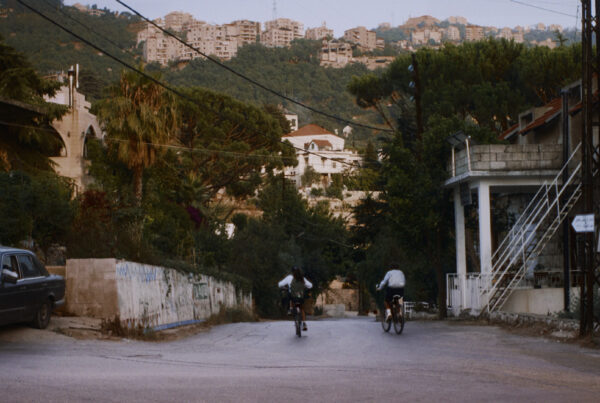
Yasma, 13 years old, is about to receive her first communion and is living through the conflict of being the daughter of two different religions. Her search for God takes an unexpected turn when she falls in love with a young man who fixes her bicycle: that object soon becomes the symbol and instrument of her sexual awakening, distancing her more and more from God and the standards imposed by her parents and society.
The film shows how an interfaith family, already struggling to be accepted, is willing to do anything to integrate, even denying their own nature. The smallest mistake — which actually cannot even be considered as such, since it is a simple discovery of herself and of her own body — leads the girl to be seen as a diabolical figure.
This disapproval originated from the family’s origins, since they had never really been accepted.
A captivating film, which talks about the fragility and the strength of a 13-year-old. A story about growth and rebellion, where the real trial isn’t choosing between two faiths, but staying true to oneself.
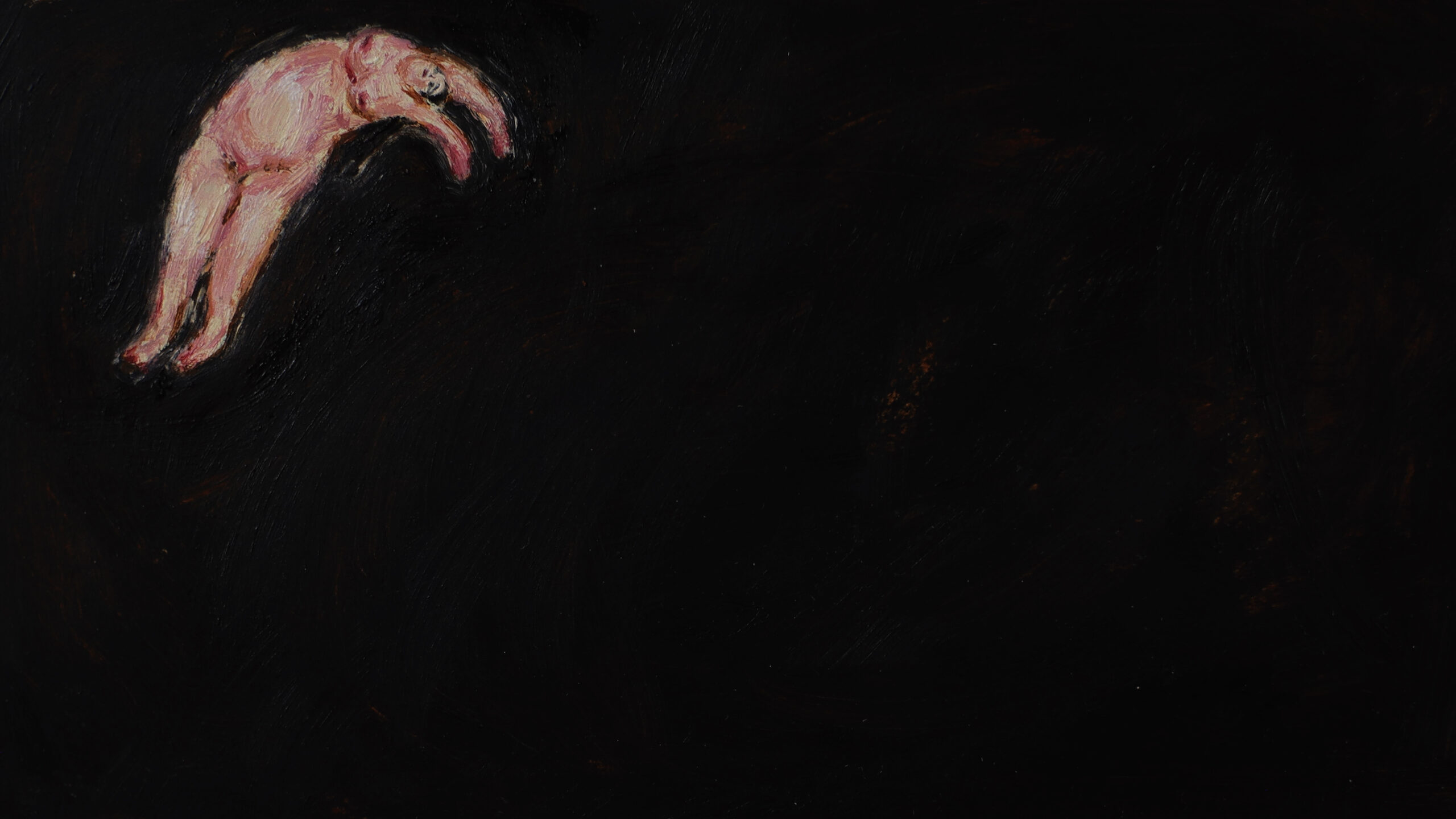
Una vez en un cuerpo – Maria Cristina Pérez Gonzàles
As seen by Anna Vullo
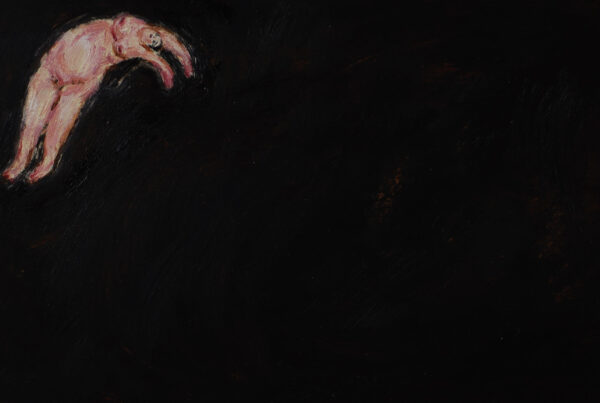
Director Maria Cristina Pérez tells the story of a turbulent relationship between two sisters, triggered by an episode from their adolescence. The protagonist converses with a strange being that lives inside her, accompanying her on this visceral journey, represented with a traditional oil-on-paper animation.
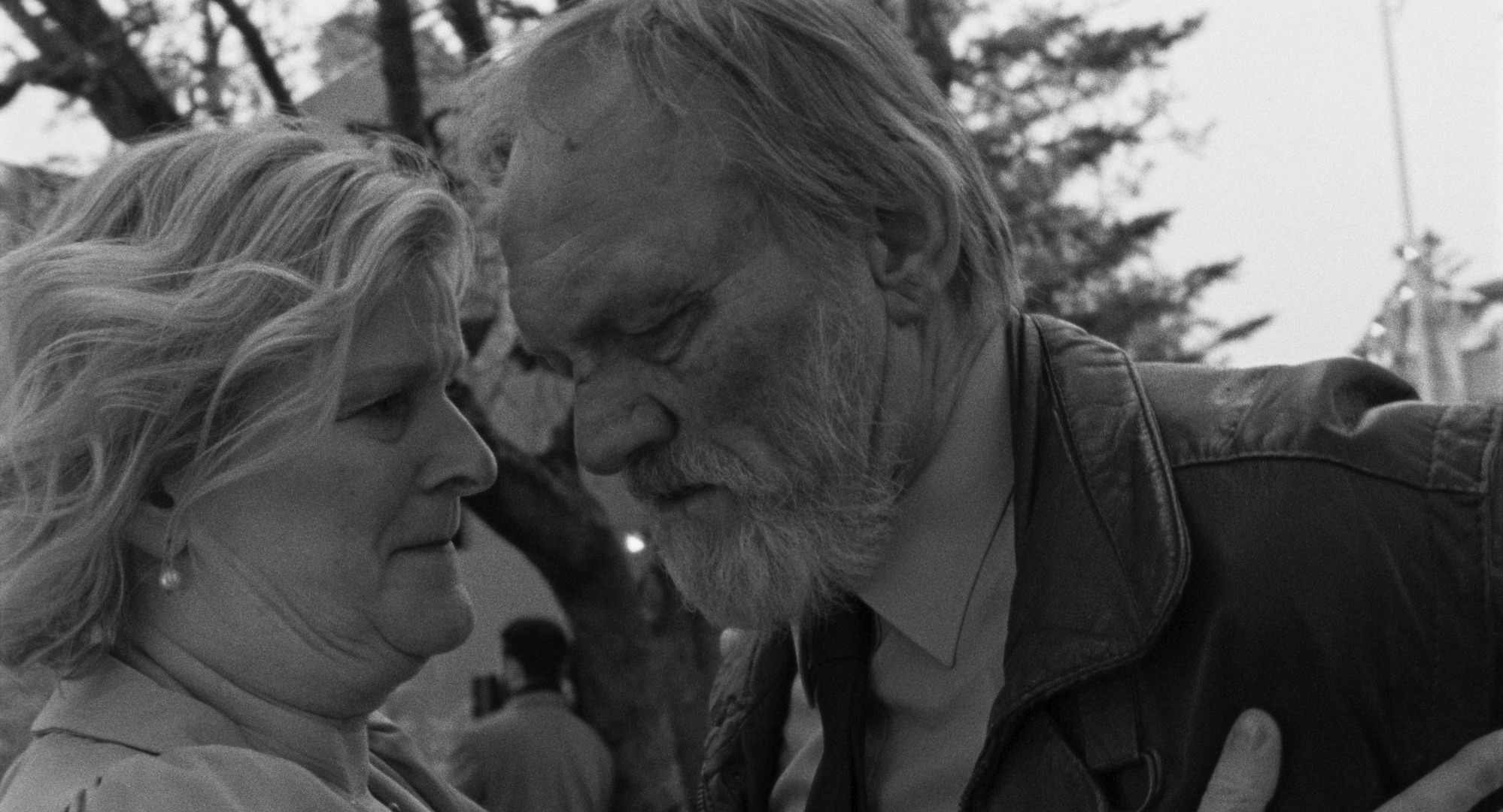
O – Runar Runarsson
As seen by Virginia Marcolini
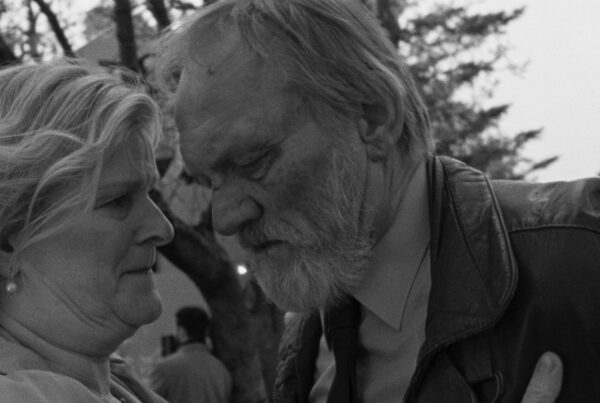
The camera follows Grimur’s moods, his hesitations, his sense of inadequacy. With him it moves forward, falters, settles—an extension of his being in the world. It follows him, uninterested in the traces he leaves behind, in the gazes of others. It tails him relentlessly, for as long as he allows it. Or perhaps it is the unveiling of a man who tries to move forward but finds himself, suffering, trapped within.
We cautiously observe his timid attempts, we see him stumble. What might have become a moral compass or slipped into rhetoric is instead stripped of any judgment, returning a complex human work—at once profound and simple. In a textured black and white, nuances come alive and assert themselves, and this disarming rawness is transfigured into poetry.
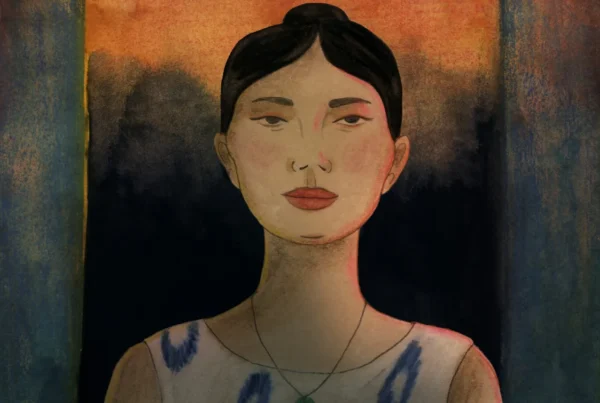
Fille de l’eau – Sandra Desmazières
As seen by Vanessa Mangiavacca
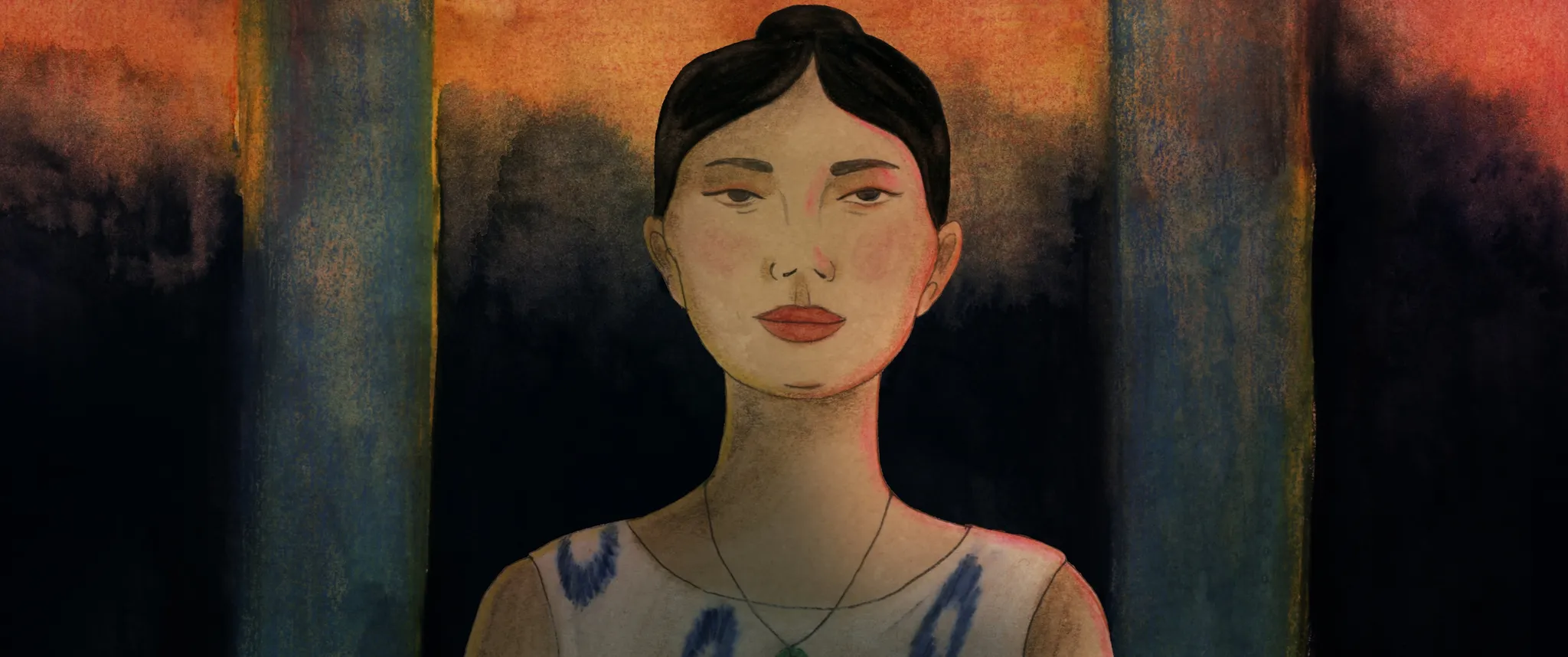
Shoals of fish—floating, dazzling, colorful—wrapped in dancing seaweed slip into the animated frames of illustrator and animator Sandra Desmazières’ short film. In their appearing and dissolving, they mark the rhythm of dream and reality, of fears and desires, of the passing of time in Mia’s life. The animation, with its classical touch, finds in the clear, precise line of the drawing the true narrator, guiding the viewer through the protagonist’s journey of growth and aging.
Fille de l’eau is the universal story of a woman, raised in close connection with water and with the other women of her village, yet at the same time suffocated by the confrontation with different models of femininity, especially those tied to motherhood. Indeed, it is the desire to have children—and the painful impossibility of fulfilling it—that shapes part of her existence. Yet it is the small, intimate moments of everyday life that will offer her the possibility of finding her own form of happiness.
L’ultimo giorno dell’orso – Antonio Donato
As seen by Alice De Vito
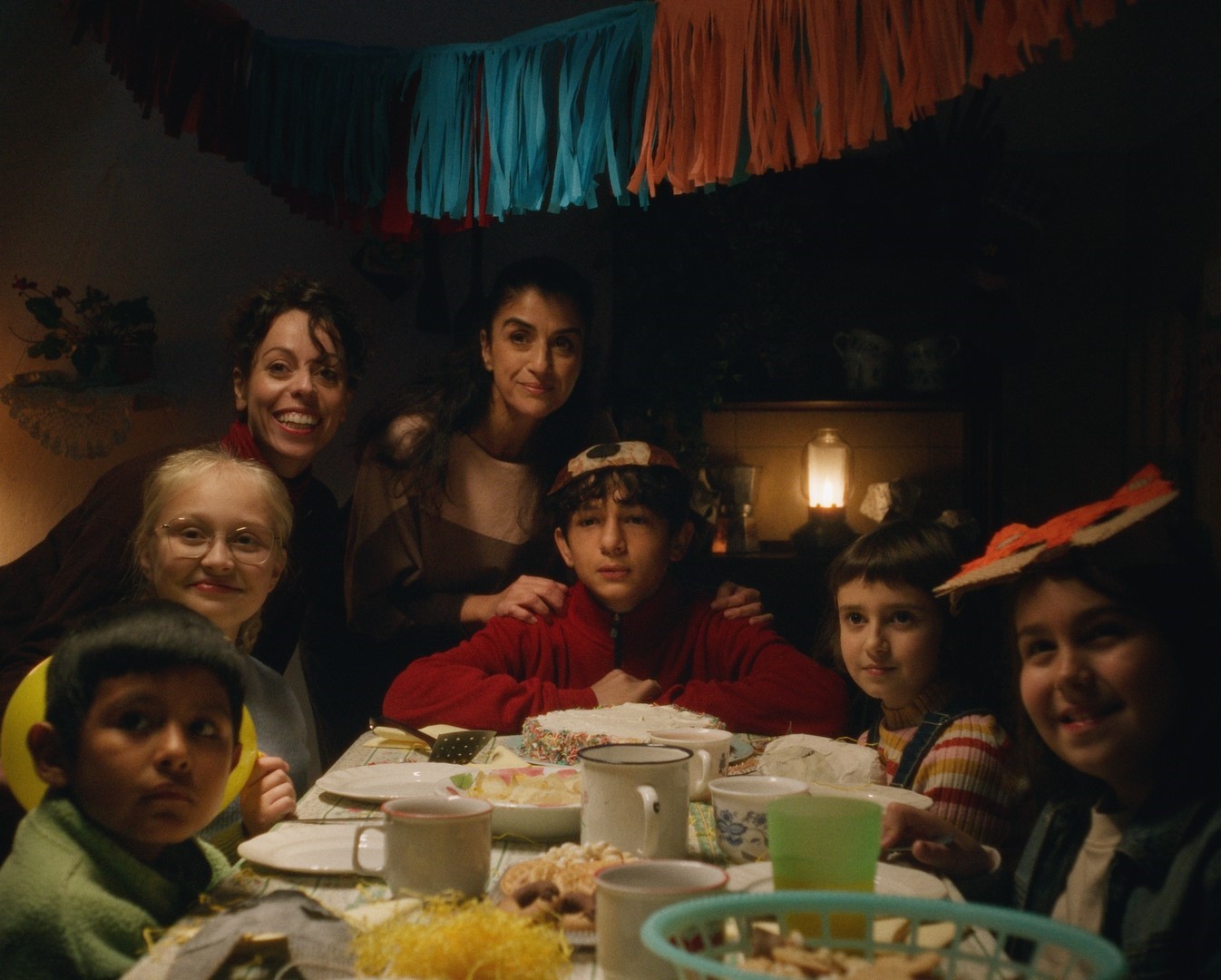
A complex and stratified work that tells the story of Dennis, a boy who is forced to leave the community where he grew up to go live with his new guardians.
The film’s strength lies in its metaphors: every child wears a mask representing a different animal, and even though they all live in the same forest, they don’t belong to the same species. This tale reminds us that sometimes our true family is not the one tied by blood, but the one that we build through closeness, love and friendship. In the last scene, Dennis meets his new guardians: they are also wearing his same mask. In that moment the protagonist is faced with a huge terrifying step — the one towards growth.
Through the use of natural shots and a retro-effect camera, the film captivates the viewers and drags them into the story, living it from the inside.
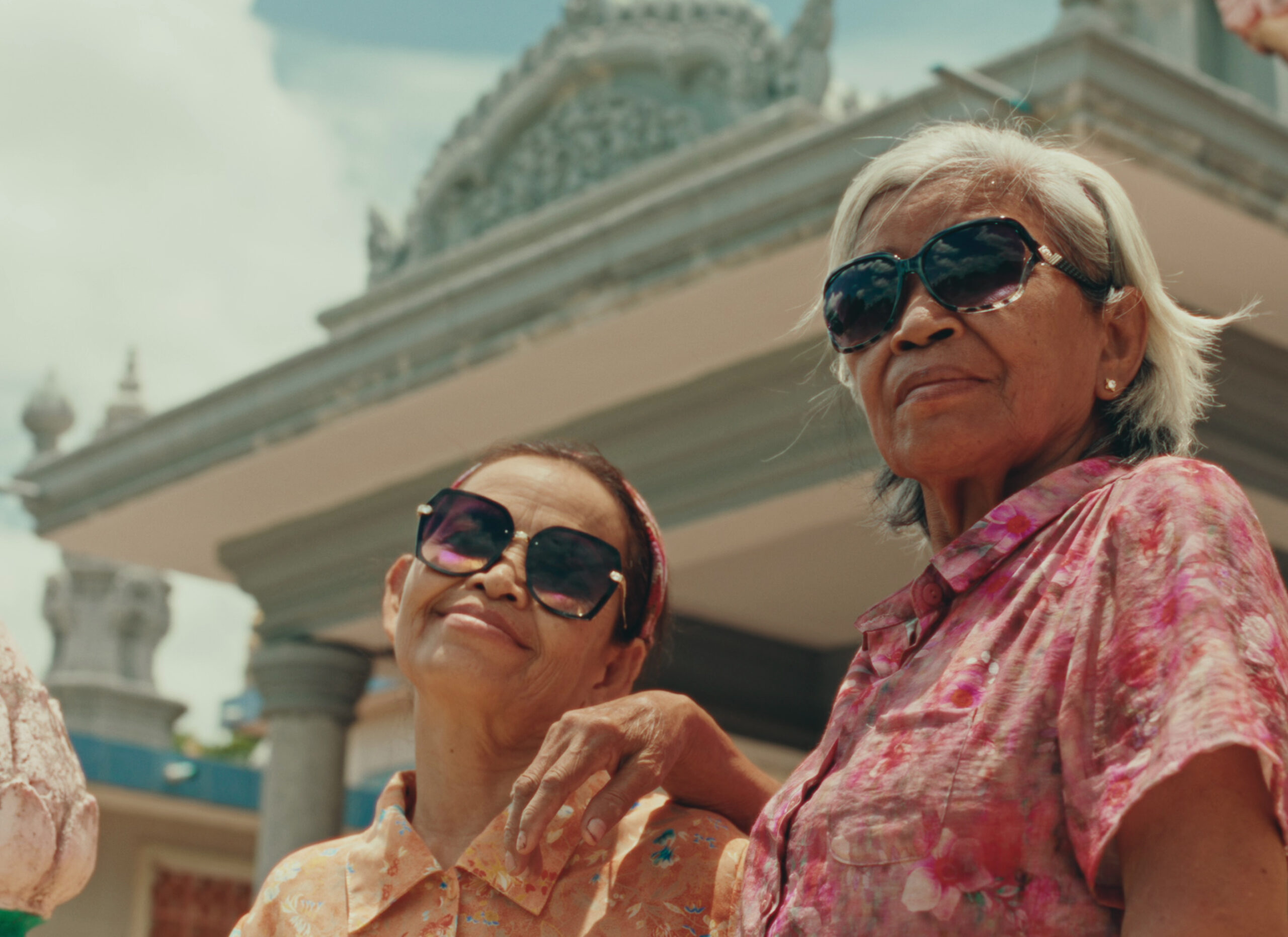
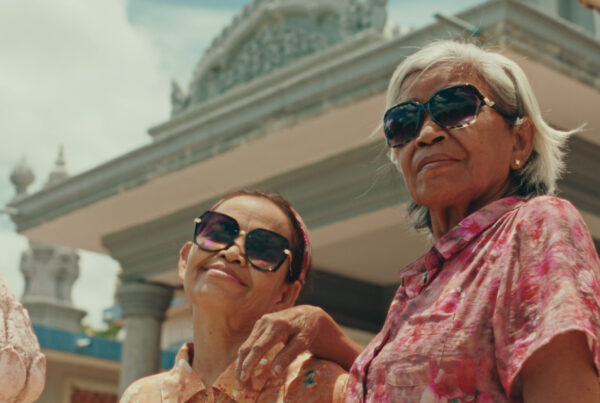
Grandma Nai who played favorites – Chheangkea
As seen by Alice De Vito
Sometimes there really is an angel watching us from above. In this film, the angel is the spirit of a grandmother, Nai, who senses that the family is pressuring her grandson to get married with a girl, and decides to intervene. Therefore, she leaves her tomb to follow the young man and help him make the right choice and reveal his true identity.
This is the story of how, in order to show who you really are, you need strength and courage so great that it feels as if they come from an outside force. In a society where homosexuality is perceived as a weakness, the spirit of a grandmother, whose only concern is her grandson’s wellbeing and not appearances, comes to his rescue.
The film is directed with great awareness: the skillful use of color change, the carefully calibrated close-ups and the way the shots are composed all contribute to create a deeply intimate atmosphere. The viewer is plunged in the narrative’s emotional flow, creating an empathetic bond with the protagonist, Meng, and sensing every hesitation, fear and achievement of his as their own.




Commenti recenti