
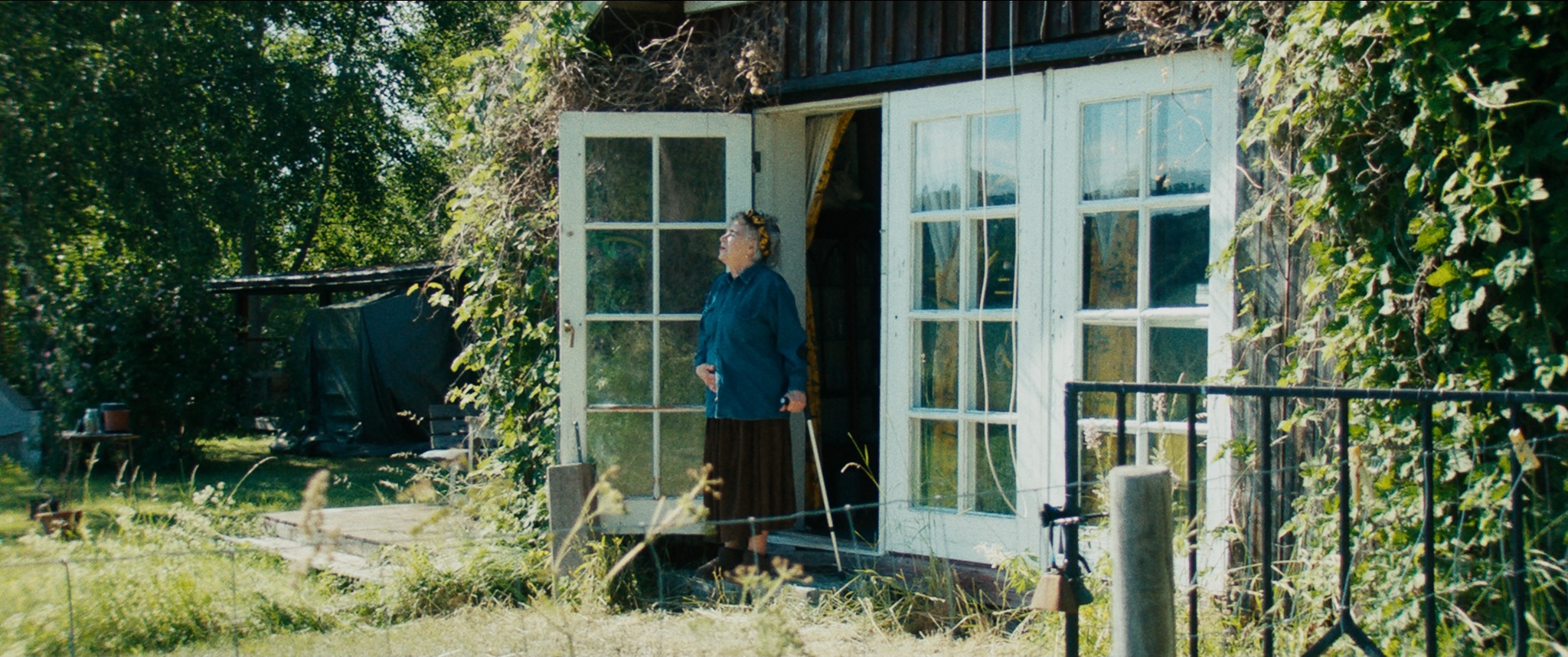
Tuesday at Concorto: spoilt for choice.
Let’s go in order: from 4 to 6 pm the VR session with Ito Meiky continues at Circolo Rathaus.
At 4:30 pm at Galleria Ricci Oddi the fourth edition of Concorto Kids! kicks off. Today two workshops, one on music therapy and one on percussion, dedicated to young film lovers. Afterwards, snacks offered by Fonte Plose and Eataly, followed by screenings of short films on the theme of music.
At 5 pm, in the Amici dell’Arte hall, the talk Fashion Revolution: from fast to slow fashion will take place, organized by Legambiente Piacenza in collaboration with Circolo Rathaus, with Laura Chiappa and Maria Grazia Parenti, introduced by Councillor Serena Groppelli. At 6 pm, in the same venue, screenings of Supernature!
At 9 pm, everyone at Parco Raggio for the competition shorts and, afterwards in the greenhouse, a repeat screening of the Mnemosyne focus; at 11:30 pm in the little woods, Lamante in concert!
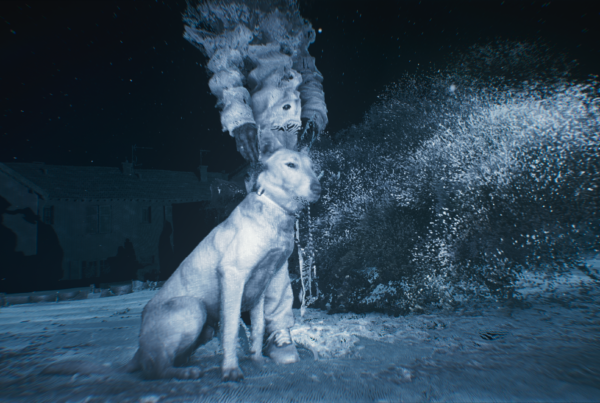
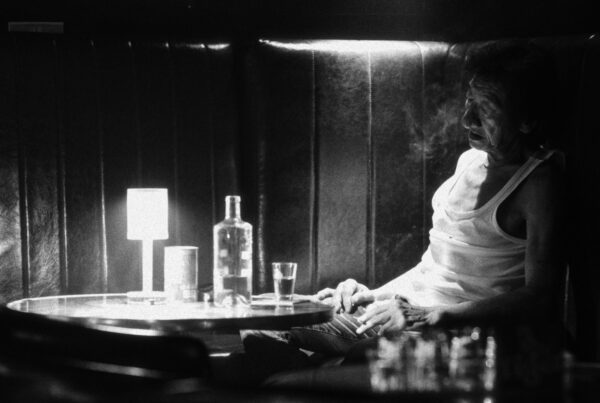
Généalogie de la violence – Mohamed Bourouissa
As seen by Vanessa Mangiavacca
“I had just gotten my driver’s license. I was 21, I was happy. I was a free man.”
A young man is about to meet his girlfriend: he is happy, waiting for her in his car. He has a job and nothing seems able to spoil that evening.
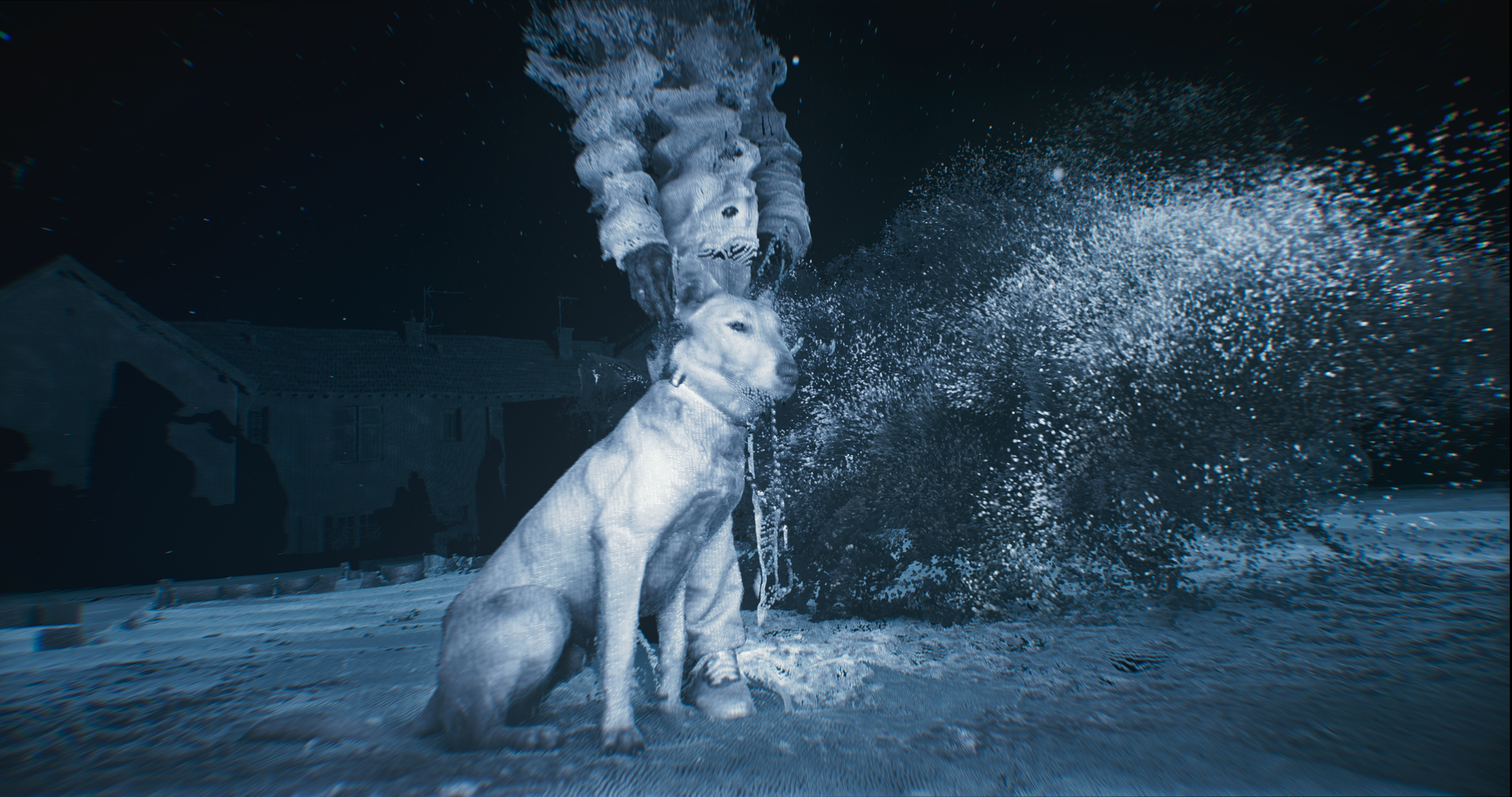
A bird’s-eye shot swiftly takes us through the outskirts of a sterile, hallucinatory French suburban neighborhood—a complex urban space often depicted by young Afro-descendant artists born and raised in France, among them Mohamed Bourouissa, visual artist of Franco-Algerian origin and director of the short film Généalogie de la violence, winner of the Grand Prix at the latest Clermont-Ferrand Festival.
The car in which the two young protagonists sit is a safe space, a kind of home where they can face each other with care, sharing thoughts on studies, work, love, dreams, and future projects. Then everything comes to a halt, as a police patrol approaches and subjects the young man to an unmotivated search.
Bourouissa thus exposes the subtle, relentless racial violence perpetrated by the police, using moving images to allow the audience to inhabit the protagonist’s body, to feel his racing heartbeat, his sweat, his constant, everyday anxiety. Based on the true story of a friend, Généalogie de la violence is an act of collective memory, a testimony that forces the viewer not to look away.
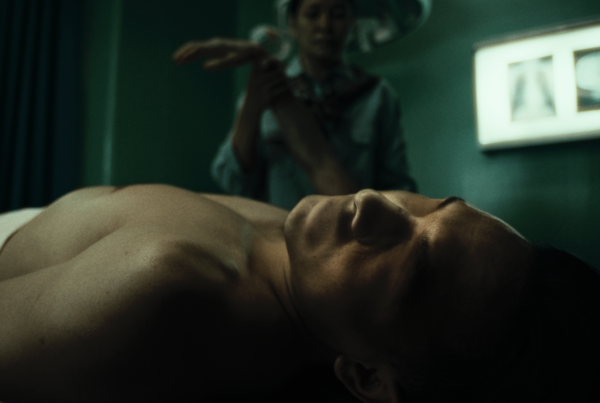
Sammi, who can detatch his body parts – Rein Maychaelson
As seen by Virginia Marcolini
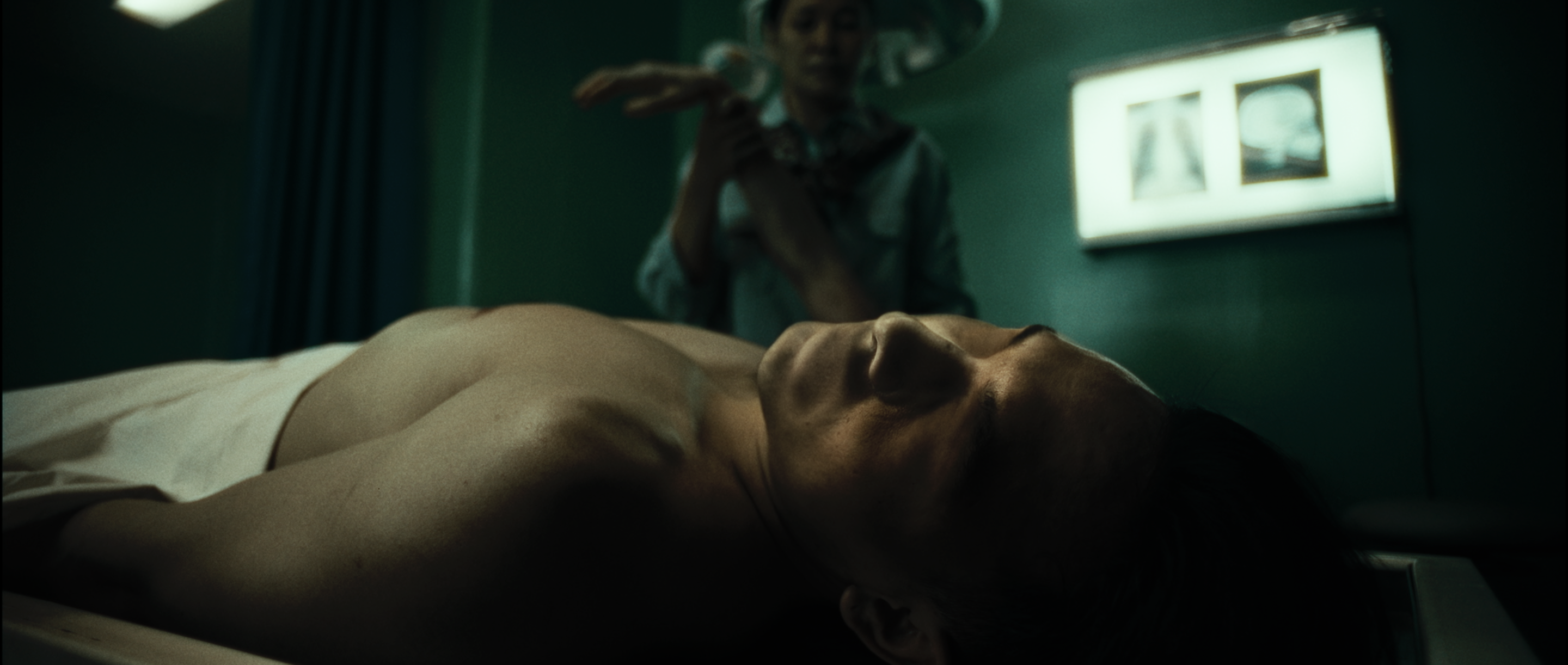
Sammi was born with the ability to detach parts of his body and, when needed, give them to the people he loves. His mother never understood his way of life—until she finds herself drawn into the search for her son’s missing pieces.
Divided into four chapters, the film retraces Sammi’s final meaningful encounters through his mother’s eyes. And so, person by person, the woman begins to reassemble and re-discover her son through the fragments left in the hands of others.
The film is at once grotesque and tender in its depiction of loss and separation, embodied in their most tangible form. Through the dismembered and gifted body, presence lingers—and so too, in this case, does absence, visceral and overwhelming.
After an initial, compulsive urge to reconstruct a sense of wholeness, the mother finally comes to terms with this intrinsic, perhaps cathartic, impossibility.
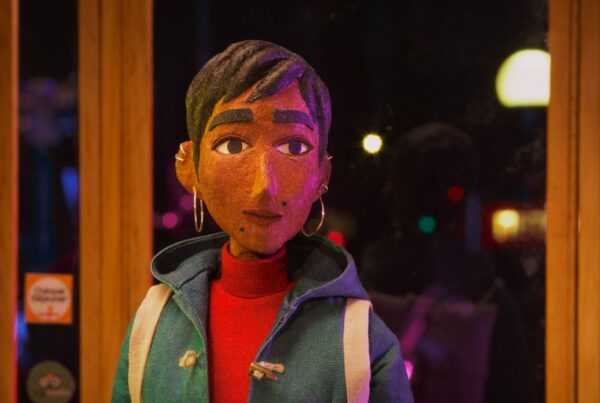
Sulaimani – Vinnie Ann Bose
As seen by Carola Visca
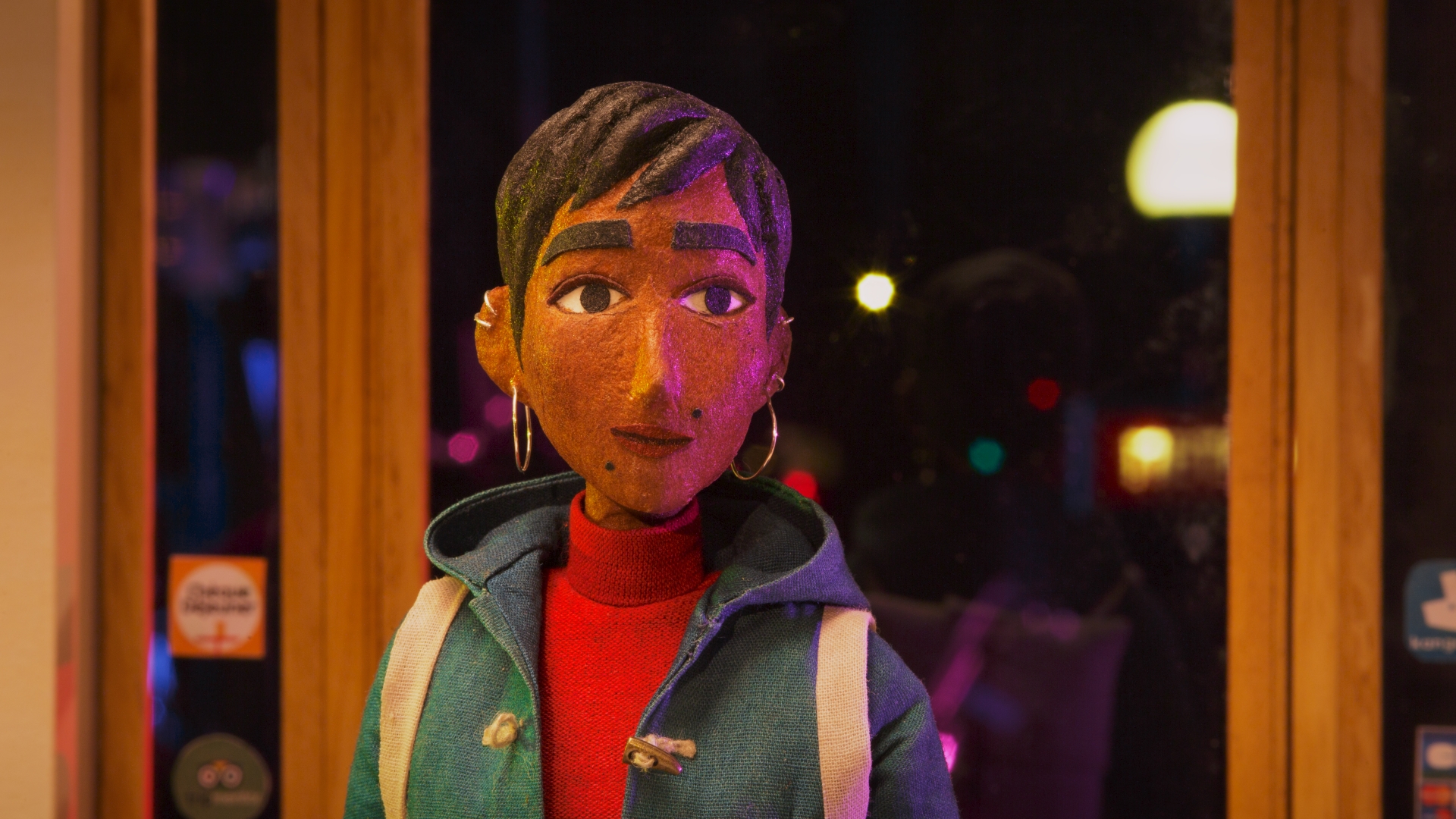
Having emigrated from India to France, Neena and Alia are two strangers whose lives intersect by chance on the Paris metro. Neena forgets her lunchbox on the metro, and Alia chases after her to return it, following her all the way to the Indian restaurant where Neena is going to have dinner. Here, smells and flavors mix with memories, bringing back the loved ones both women left behind. What could feel more familiar than the homesickness evoked by your favorite dish? In Vinnie Ann Bose’s short film, food serves as a vehicle for memory and cultural identity, connecting two unfamiliar souls who share a similar past. The use of stop-motion animation, alternating with 2D animation, powerfully draws a line between the past and present of the two women, depicting with great empathy the loneliness but also the solidarity one can find on the path to independence.
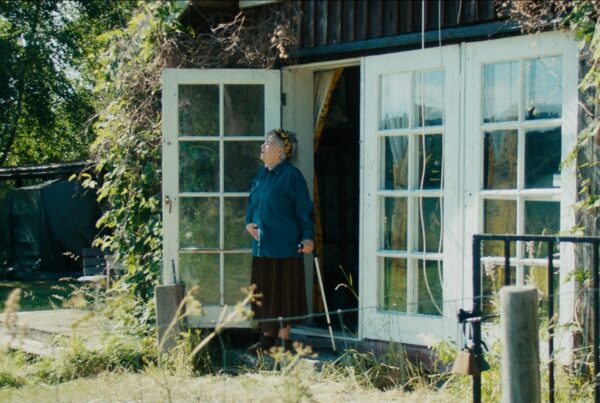
As if to nothing – Pek Jia Hao & Ang Jia Jun
As seen by Serena Varrucciu
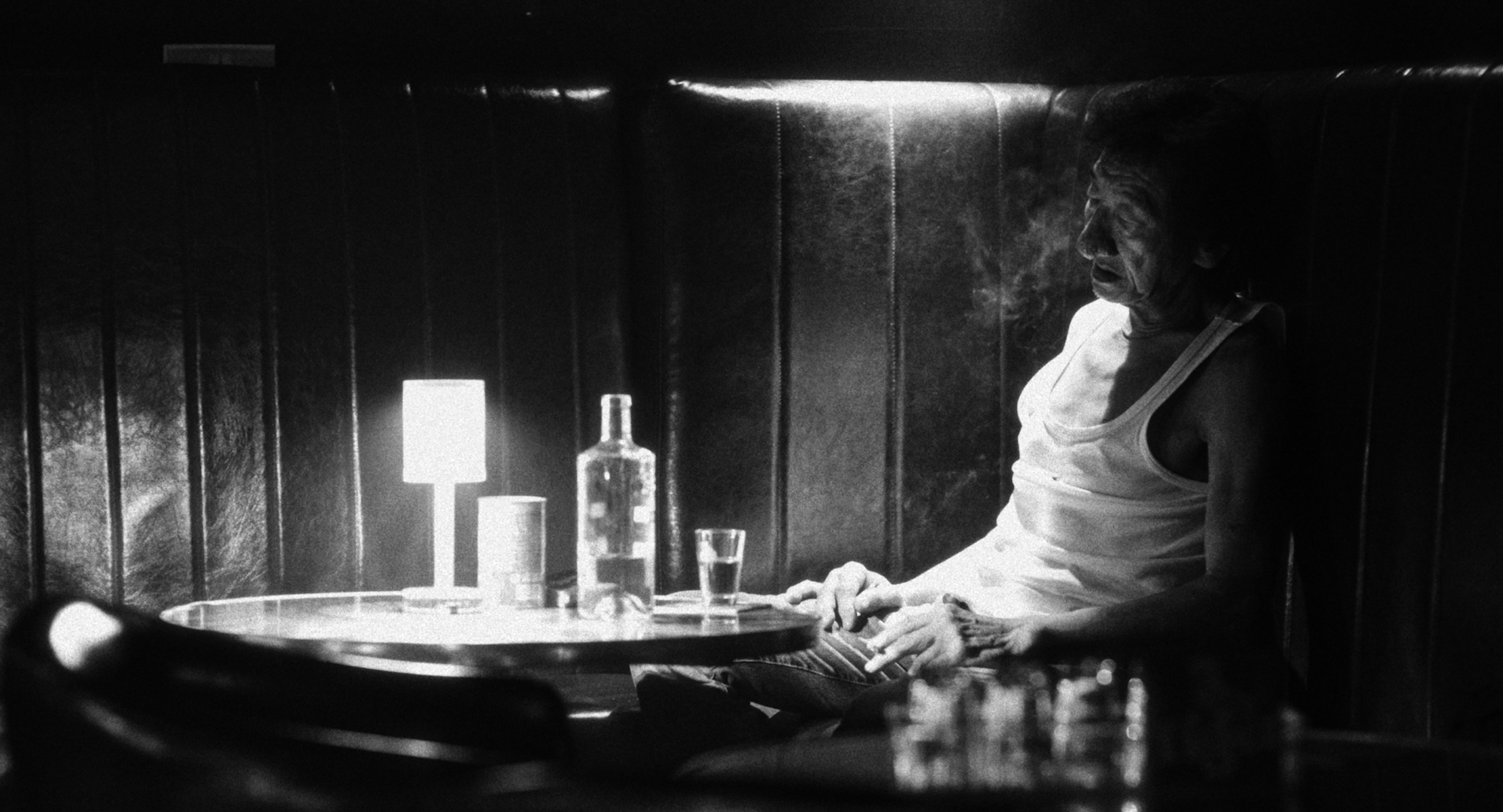
An elderly carpenter is evicted from his workshop by a gang of gangsters: he was the last remaining property owner in the neighbourhood, while the others had succumbed to blackmail. The reason is never explained, though it looks like it is a matter of economic interest: what we need to understand is the general situation, the one that arises when the underworld takes over the streets and citizens are left to defend themselves. The neighbourhood has emptied, shutters are pulled down, and the city is wrapped in an unnatural calm.
The only affection left for the protagonist is a cat, who disappears the day the gangsters show up at the workshop. The search for the cat drives the man to wander through the city’s desolate streets: the old friends and colleagues meet are full of resignation, and the people hiding away in nightclubs (gangsters include) wear idleness on their faces. There is no revenge or redemption in this city, only apathy and surrender: “Let the worst happen”, the protagonist says after telling of a dream in which he saw the city engulfed in flames. His futile search to find the cat becomes the only possible action, and the only choice he can truly make.
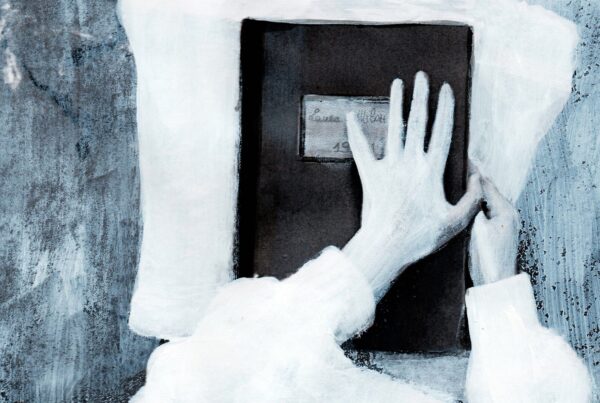
Né una né due – Lucia Catalini
As seen by Serena Varrucciu
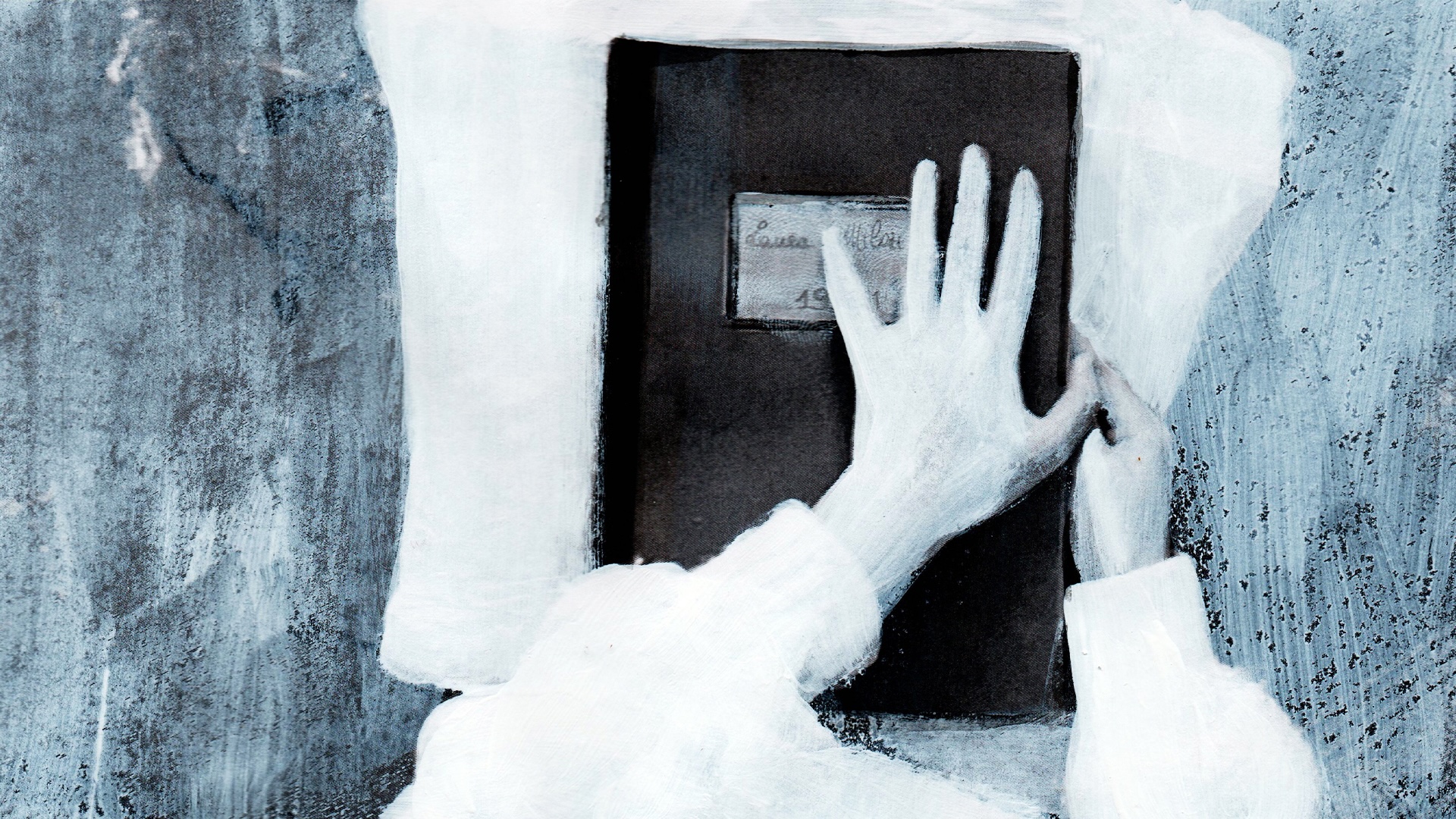
Through a mixed animation technique combining collage and rotoscoping, the process of tracing over live-action footage frame by frame, the filmmaker, inspired by an autobiographical event, creates her own personal journey through the memories of a past life. The protagonist, Elena, finds her grandmother Laura’s notebook inside an old piece of furniture and begins leafing through it: together with her, the viewer turns each page, reading the seamstress’s notes, watching the sketches of dresses come to life, cut and shaped by her grandmother’s hands, which come to life thanks to the animation, and follows the protagonist through the unfolding of young Laura’s life, her passions, her joys, her moments of pain and loss. The memories that emerge from the notebook and that are brought to life through animation create a bridge between the two women, separated by age but connected by an affinity and a transition, as if there were a secret, carefully preserved over time, that must be passed on from grandmother to granddaughter, from the old generation to the new.
Dear Mother – Theodor Solin
As seen by Francesca Marchesini
What happens when you return to your parents’ house after a long time? It requires for sure a great ability of adaptation to small idiosyncrasies that one is no longer accustomed to and empathy in understanding that the other person, too, may have begun to organise their life without taking us into account. This is all that (perhaps) should be the norm, and it is all that does NOT happen in Theodor Solin’s film. It takes just over ten minutes for the dysfunctional dynamics of Julius’ family to explode in all their splendour – or perhaps horror.



Commenti recenti