
Thursday at Concorto means that today the juries are meeting to decide the winners, but we won’t find out until Saturday.
Over at the ARCI Rathaus club, the VR screenings of The Frame Beyond continue, whilst the Galleria Ricci Oddi hosts the third day of Concorto Kids. At 6 pm, the Amici dell’Arte hall hosts the second instalment of Focus Balkans.
Then it’s off to Parco Raggi for dinner with the Giustè Food Truck. Competition films will be on the big screen from 9 pm, followed by silent cinema in the greenhouse at 11:30 pm featuring the third instalment of Supernature and a screening dedicated to director Evgenia Arbugaeva.
Silent Voices – Nadine Misong Jin
As seen by Laura Savoini
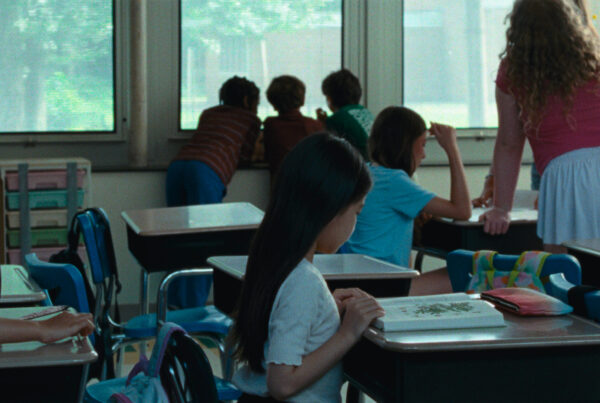
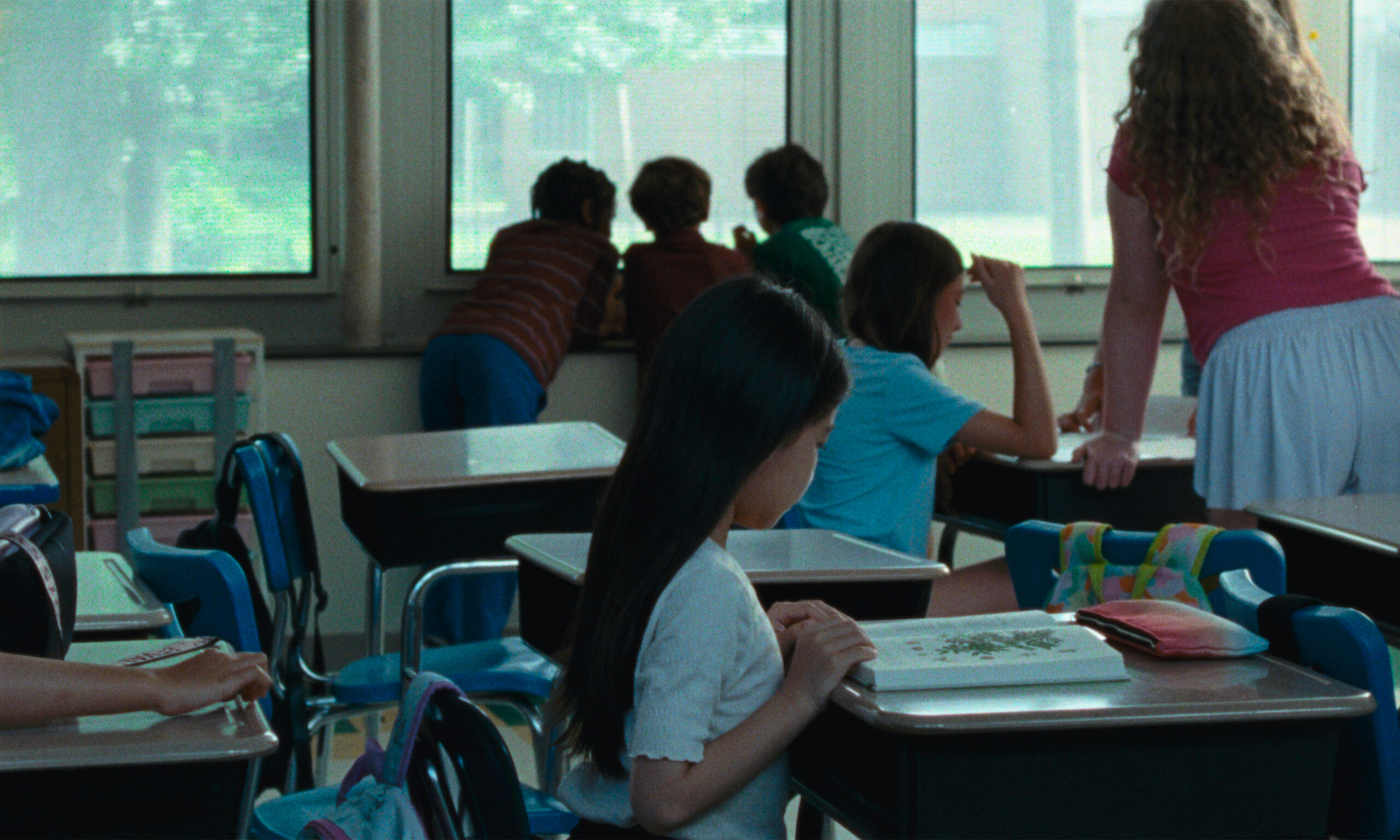
A family eats in silence while the chaos of NewYork City rages outside their windows. Yujin, Hyunwoo, Minha, and Sohee have left Korea to build a new life in the United States. The days pass slowly, and their integration into American society is proving difficult. In this setting, Against director Nadine Misong Jin takes us through a day in the life of each family member, discreetly and delicately chronicling their journey from the moment they leave their house until they return. The stories are united by a silence that holds secrets and emotions that the four do not share with one another or with the audience, who can do nothing but watch this family’s lives from a distance.
Visite en Terre Irradiée (Visit into Irradiated Land) – Anne-Sophie Girault
As seen by Elena Baldo
Sophie, a local guide, accompanies a group of tourists in the exclusion zone around Golfech’s nuclear power plant, in France, i.e. the site of an accident that made the area uninhabitable and radioactive.
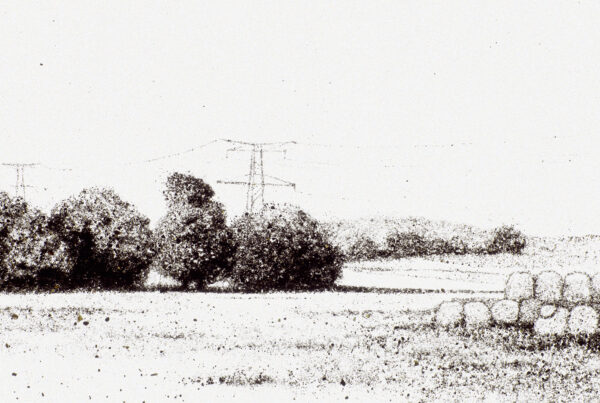
During this tour, we become the witnesses of what remains of a city and people that once lived there, who were later forced to abandon it. Director Anne-Sophie Girault uses stop-motion animation to portray a form of “dark tourism”, in which tourists only wish to visit the site of a tragedy to immortalize the experience and to share it in almost real-time on social media.
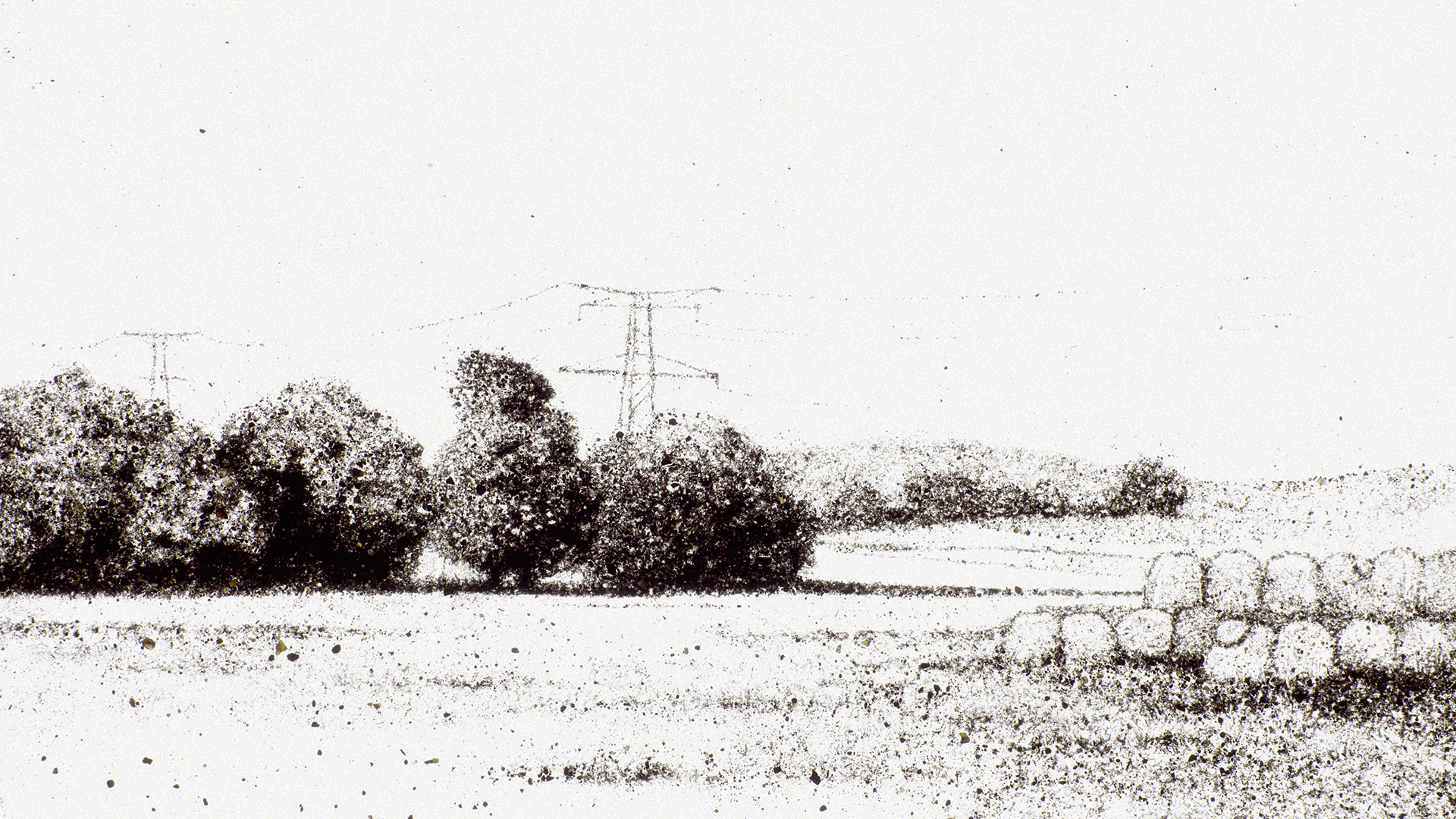
The technique employed yields a black -and-white mosaic composed of a myriad of tiny dots, which create a disturbing and detached atmosphere, enhanced by the constant sound of dosimeters worn by the protagonists.
This film encourages the audience to reflect on the ever-growing human need to commercialize and capitalize on everything, even tragedies.
O Rio de Janeiro Continua Lindo (Rio Remains Beautiful) – Felipe Casanova
As seen by Virginia Marcolini
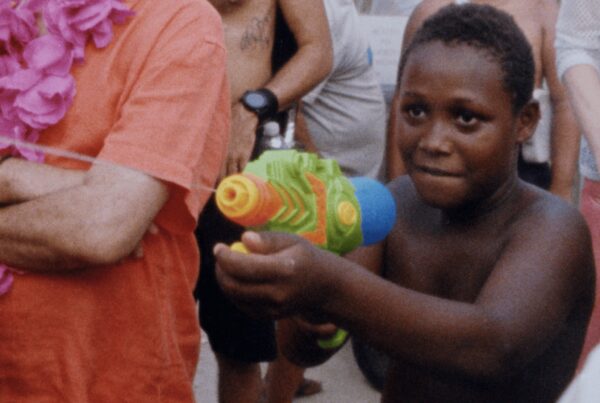
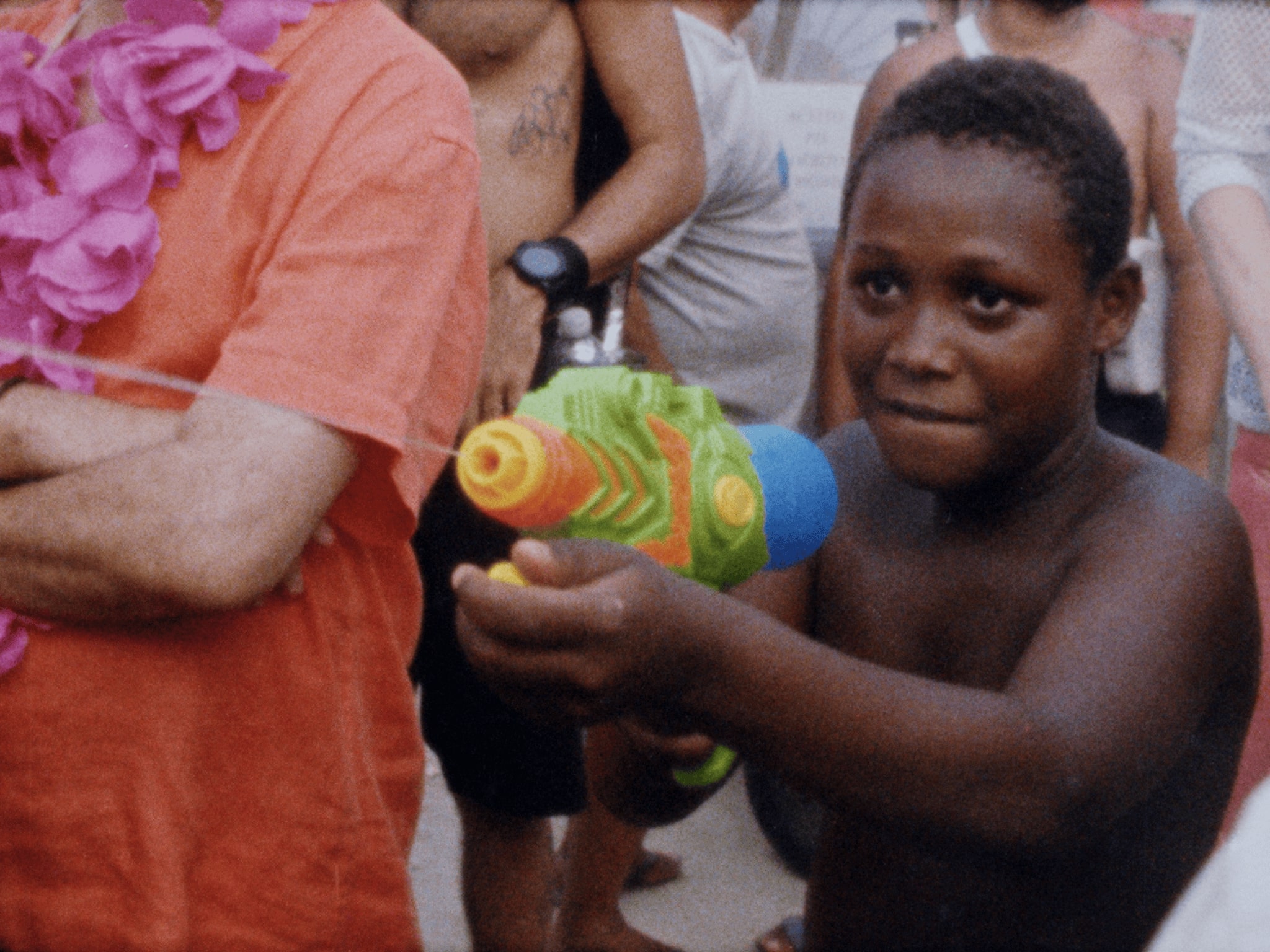
During the Rio Carnival festivities, Ilma writes to her son, awkwardly sketching his features on a postcard she will never send. Amid a sea of colours, costumes and dances, she recalls his goatee, his curls, and her daily worry for his safety. Fearing he might be hurt, insulted, or fall in with the wrong crowd, she never expected it would be the Brazilian state that killed him. Like so many mothers, Ilma lives and narrates a grief that is anything but motionless, translating it into a relentless struggle for memory and justice. The names of the victims are shouted, torn apart, but also proudly danced to, against the backdrop of a celebration transformed into a poetic and political reflection on state violence, the debris of colonisation, and resistance to oblivion.
Polifemo – Ilaria di Carlo
As seen by Matilde Ambiveri
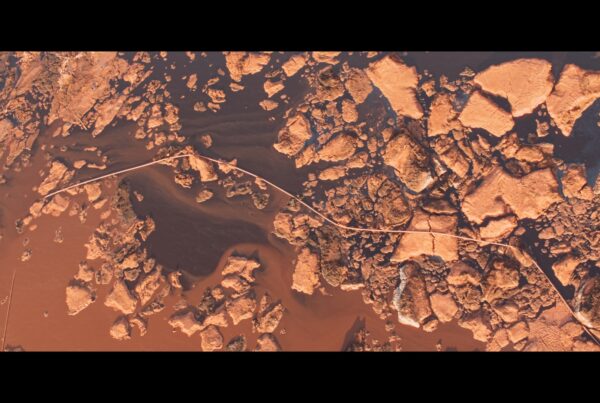
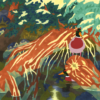
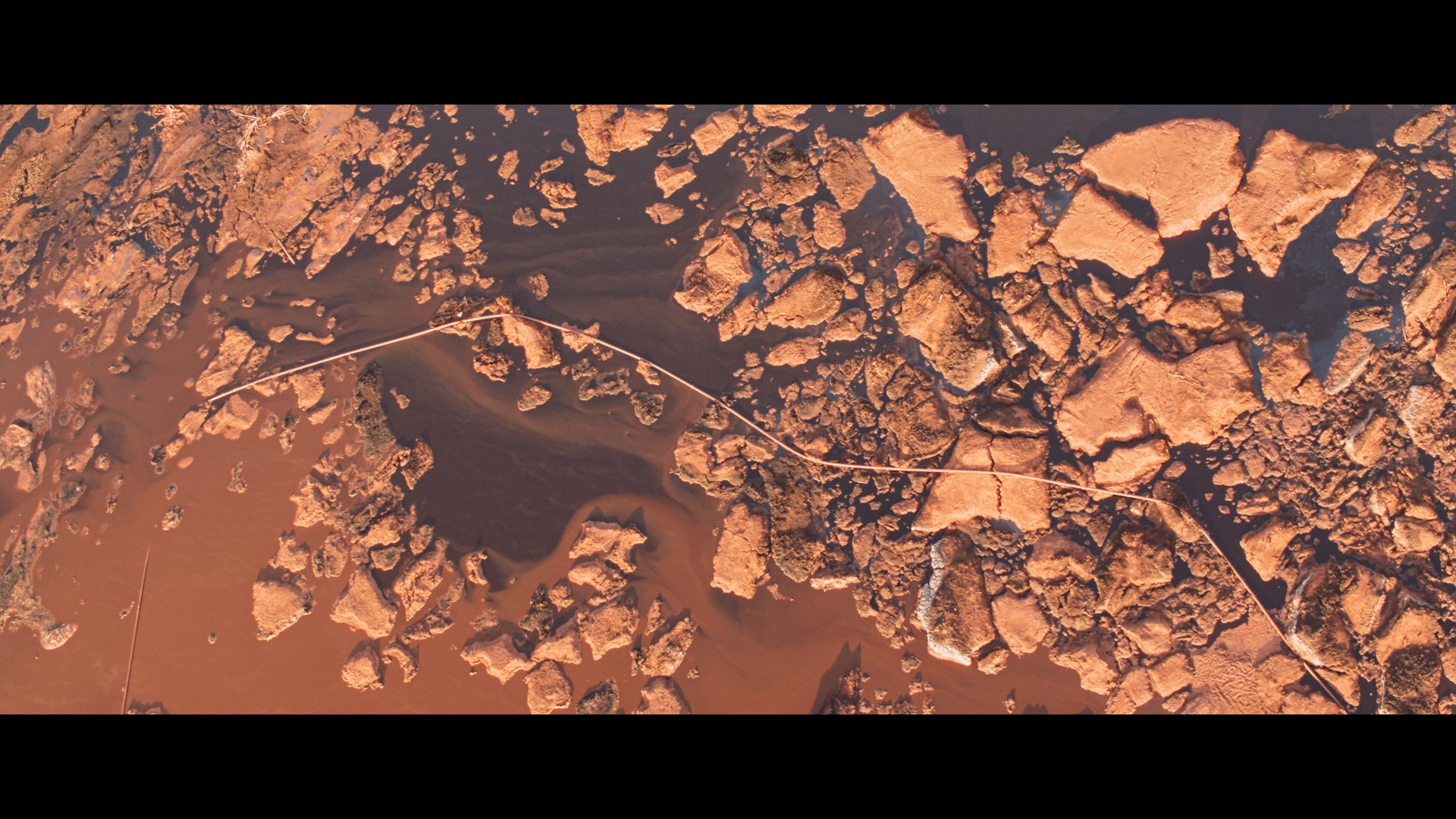
A greenish, unhealthy light envelops a landscape shrouded in fog. Little by little, the photograph opens up and the landscape takes shape in its real colors: the red of the earth, the black of the rocks, the silvery reflection of the water. White birds cross the muddy expanse, while an extraction plant slowly pours mud into the water, giving rise to a shiny, bronze-colored liquid.
The camera pulls back, and this surreal landscape is revealed to actually be a disposal site nestled among fields, houses, and vegetation. Polyphemus by Ilaria Di Carlo slowly unveils, through its images, the darker side of aluminium production: for every ton of metal produced through bauxite refining, about two tons of toxic sludge are generated.
Forget the Director, this is Emmy’s Cut! – Marion Desmaret
As seen by Elena Baldo
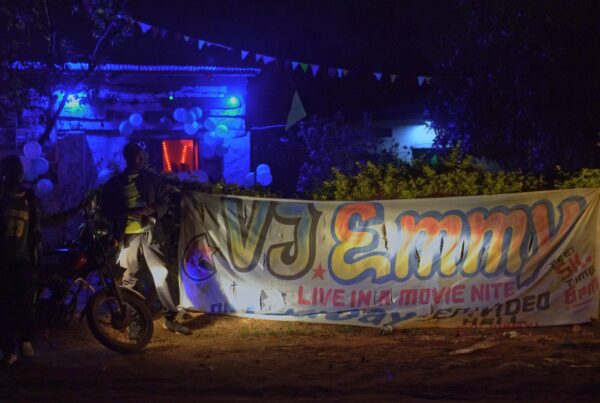
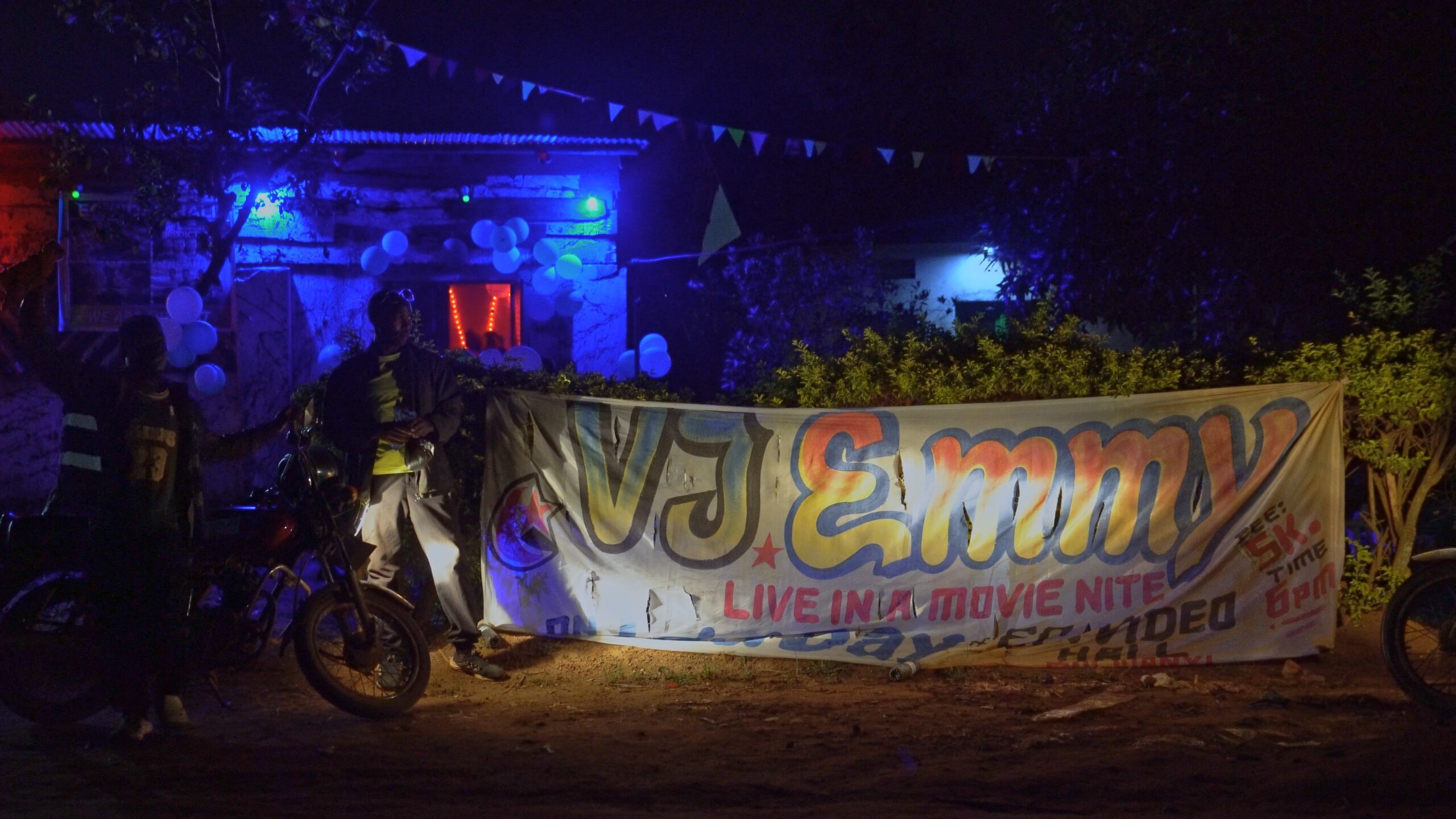
This experimental short film directed by French filmmaker Marion Desmaret takes us on a journey together with VJ Emmy, an Ugandan “video joker” who remixes foreign films live in front of an audience. VJing is a culturally significant form of film commentary in Uganda which allows the commentator to translate and remix major foreign blockbusters in Luganda, adding funny moments or even social criticism, turning into oral storytelling.
Combining images of Ugandan daily life, a voice-over of Emmy himself and films’ scenes dubbed by the protagonist, the short film reclaims and rewrites Western narratives. This practice also becomes a space everyone can share and access.
Qualiopi – Ferdinand Niquet-Rioux & Manuel Severi
As seen by Matilde Ambiveri
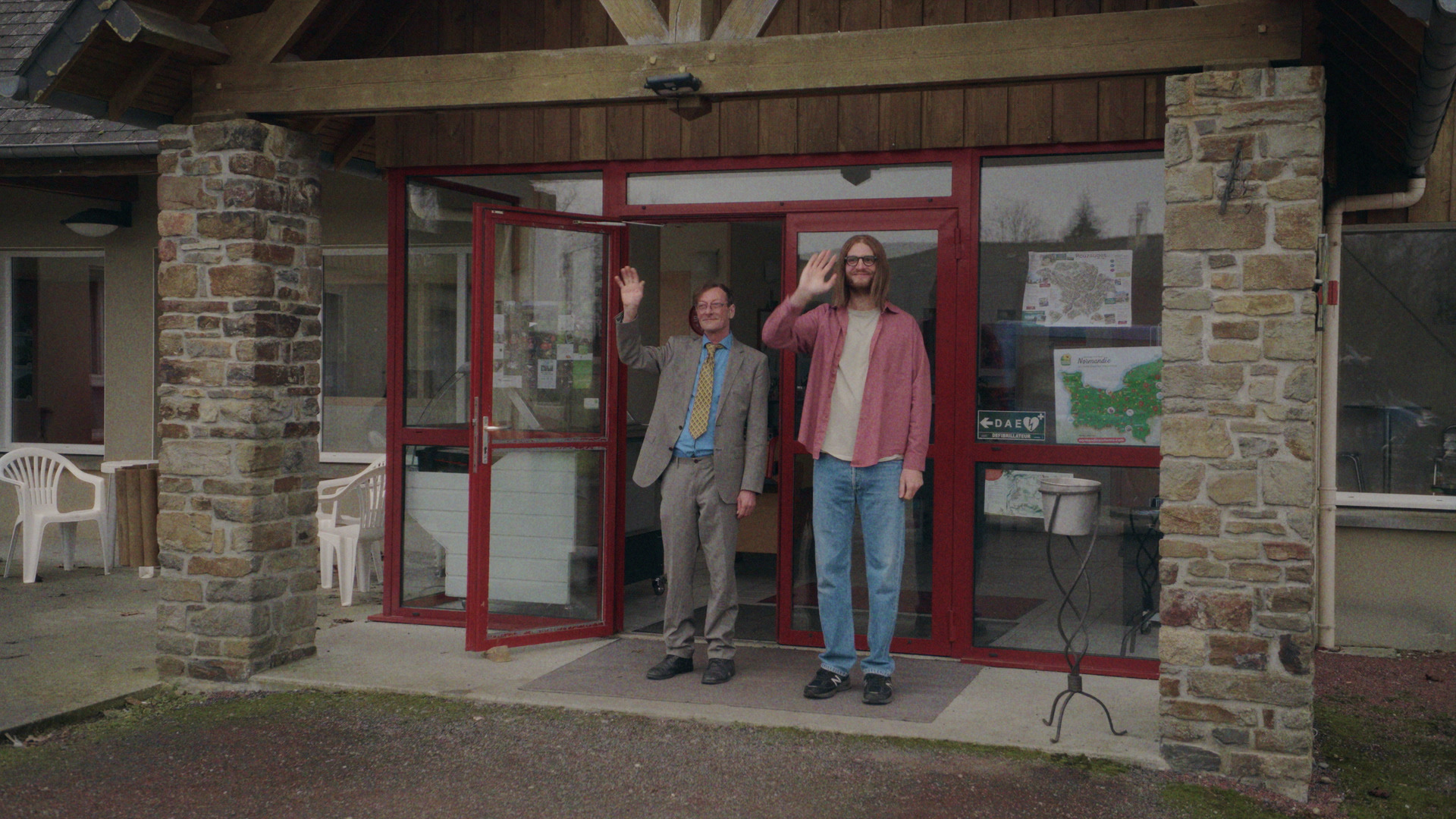
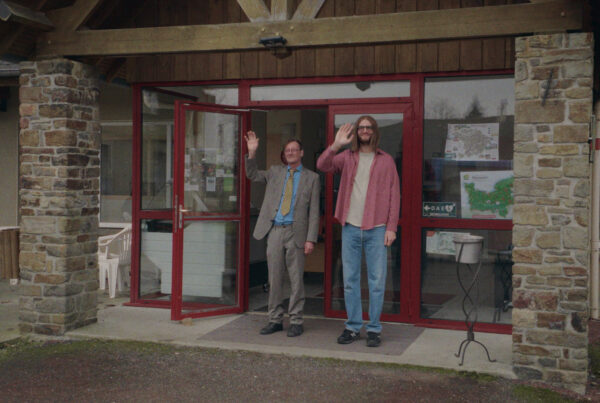
A group of employees arrives at a country house to take part in a team-building weekend organized by Fabian, a corporate conflict-mediation coach. Between trust exercises, group sessions, and games, the attempt to rebuild team spirit soon takes on increasingly absurd and grotesque overtones. When one of the participants goes missing and is later found after attempting suicide, Fabian must continue his work just as he’s undergoing the evaluation required to obtain his certification. Qualiopi guides us, with irony, through a weekend in which the activities designed to restore the group’s balance take an increasingly unpredictable turn.


Commenti recenti