
curated by Gjergji Agolli, Virginia Marcolini, Anna Vullo, Alice Capitani
The Balkan region is unsettled: its geopolitical, historical and cultural coordinates meet and collide, especially for those who live in these spaces. And from this rich diversity and this shared past and individual future a vague and often stereotyped imagery of these places was born.
This year’s geographical focus is dedicated to the polyphonic Balkan cinema and aims to showcase the varied elements that shape Balkan identity. While remembering a shared history, the focus intends to encompass contemporary stories and aesthetics, using a visual language that blends documentary, fiction, and formal experimentation. This selection aims to give back a colourful imagery that goes beyond a grey and tough representation, by highlighting gestures, places, and gazes of these territories.
The selected shorts
curated by Gjergji Agolli, Virginia Marcolini, Anna Vullo, Alice Capitani
Αβανταζ (Avantaz), Christos Tatsis, Grecia, 2025, mocumentary, 18′
Beli Dani (Bright Summer Days), Nevena Desivojevic, Serbia, 2026, fiction sperimentale, 15′
Čovjek Koji Nije Mogao Šutjeti (The Man Who Could Not Remain Silent ), Nebojša Slijepčević, Croazia, 2024, fiction, 14′
I Accidentally Stepped on a Flower, Eneos Çarka, Stivi Imami, Albania, 2025, sperimentale, 17′
It’s Quiet Now, Flaka Kokolli, Macedonia del Nord, 2026, animazione, 6′
Krahët e Punëtoreve (Workers’ Wings), Ilir Hasanaj, Kosovo, 2024, documentario sperimentale, 19′
Αβανταζ (Avantaz), Christos Tatsis, Grecia, 2025, mocumentary
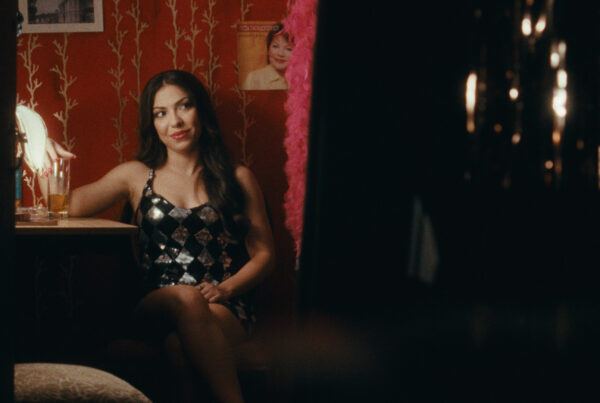
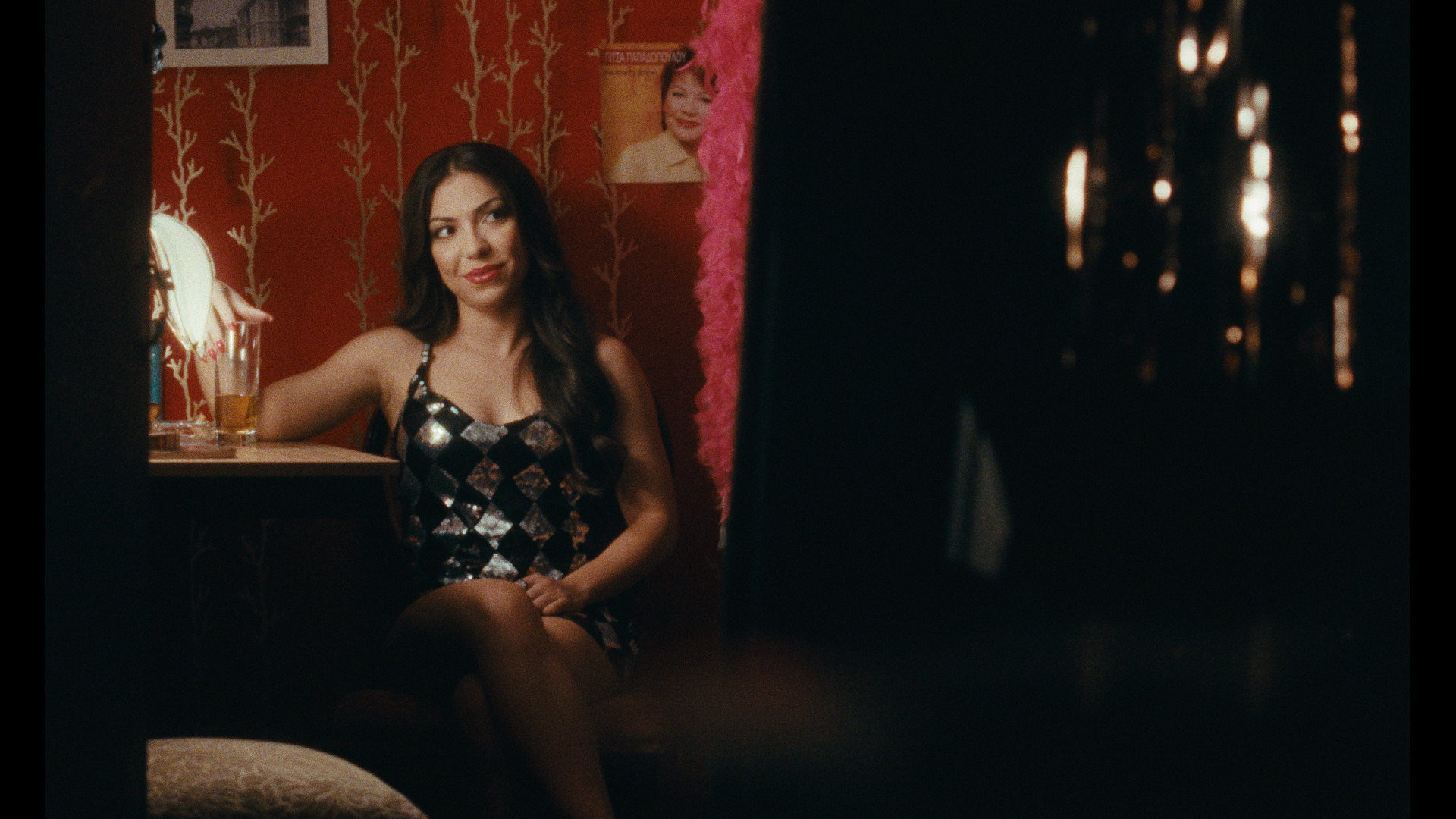
The manager of the skyladiko nightclub vanishes. He is suspected of being involved in a murder. In Christos Tatsis’s vividly colourful mockumentary, the events of that night are traced through the accounts of the staff working at the club, a place governed by rules entirely of its own. They seem to inhabit a space suspended in time. Shifting from one archival record to another, the focus appears to drift further and further away from the crime committed by the manager. From the staff’s accounts of that particular night—not without their share of fantasy and exaggeration—the narrative gradually shifts towards the past glory of the nightclub, which has now become a haunt for just a few regulars. Basking in this melancholy state, the employees seem unwilling to accept that times have changed. The recurring VHS recordings of melodious, carefree nights become safe havens to escape from reality, serving the toxic legacy of an apparently honourable past that never truly existed.
Krahët e Punëtoreve (Workers’ Wings), Ilir Hasanaj, Kosovo, 2024, documentario sperimentale
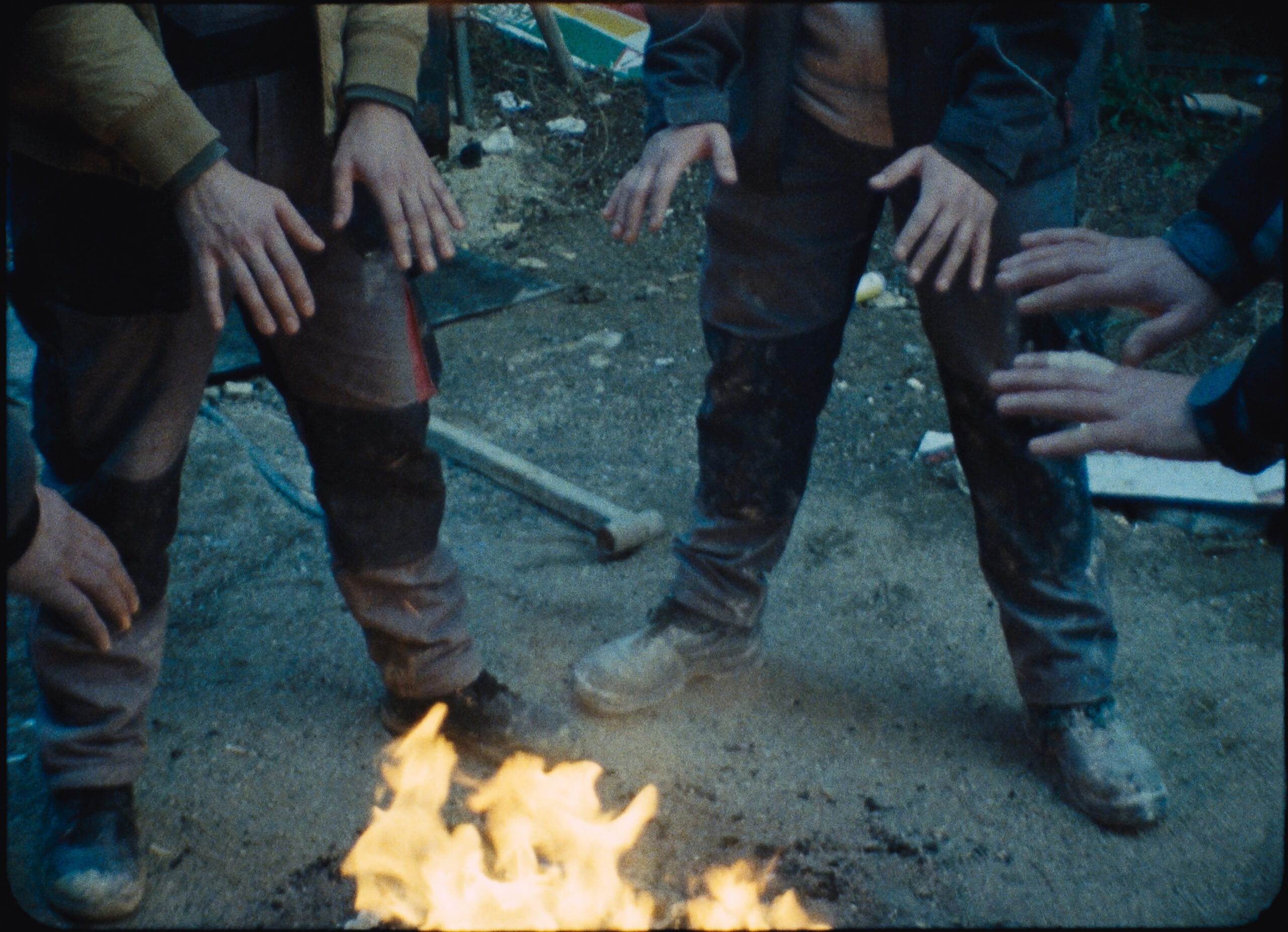
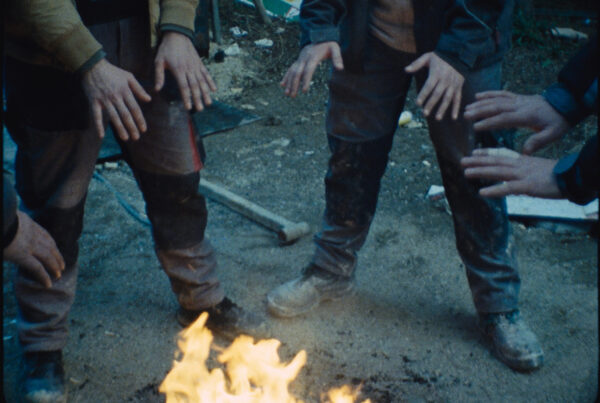
Winner of the International Film Festival Rotterdam, Workers’ Wings is a tactile and intimate portrait of construction workers in Kosovo, made of flesh, labour, and memory. Through the stories of several workers who were severely injured in workplace accidents, the film denounces the lack of protection afforded to workers without ever resorting to the tones of a direct accusation. The warm colours, dominated by red, and the close-ups and extreme close-ups of faces, wrinkles, and bodies marked by labour reveal, beyond the pain, the pride and dignity inherent to their craft. The slowness and stillness of the shots contrast with the relentless movement of machinery and work itself, which continues to resonate through the mechanical sounds in the background. It is precisely through this deeply human gaze, free from any form of pity, that the film finds its political strength, woven with a sublime lyricism.
Quiet Now, Flaka Kokolli, Macedonia del Nord, 2026, animazione
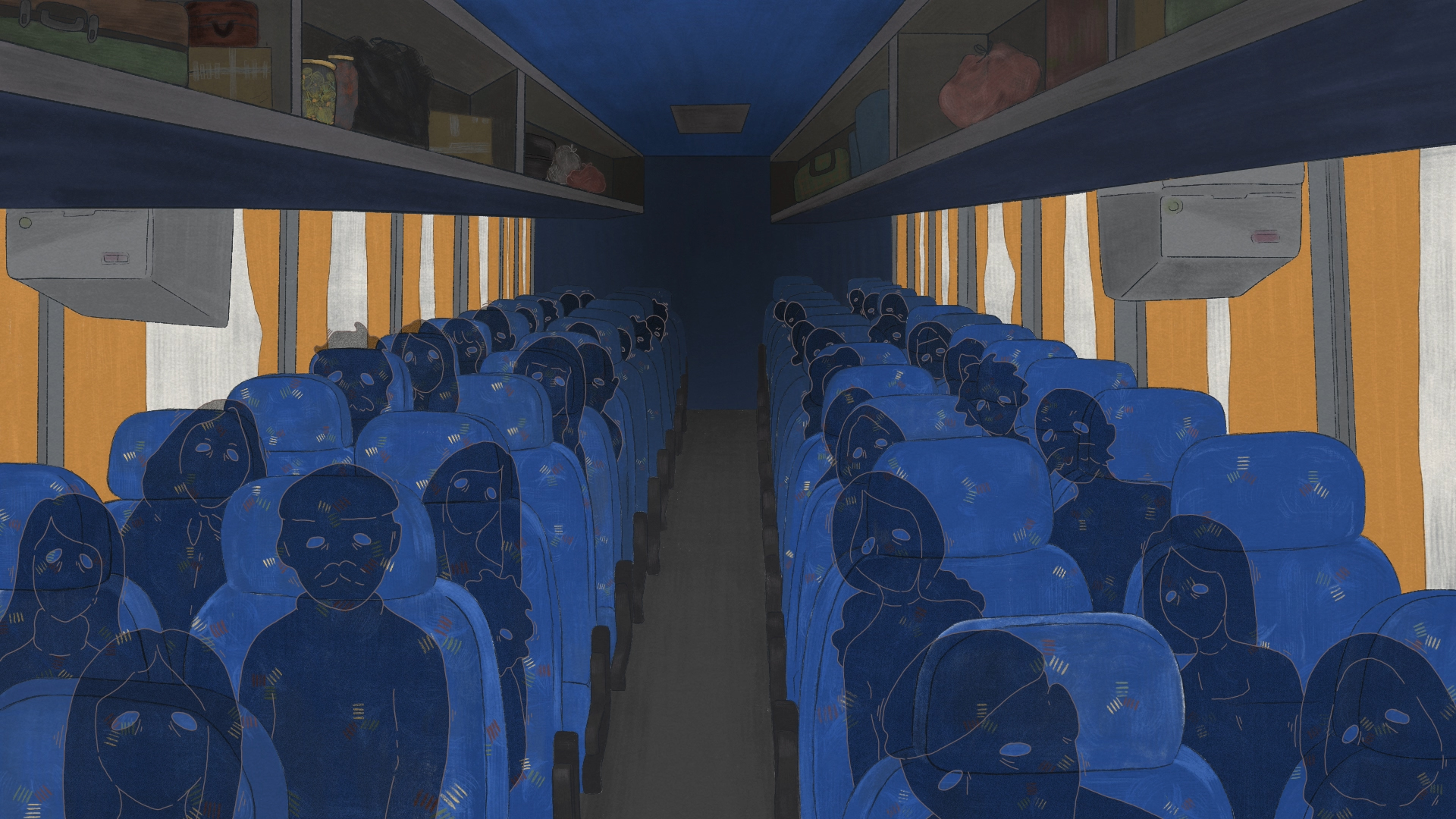
It’s Quiet Now is a delicate yet striking film that lets images do the talking, drawing its strength in what it leaves unsaid. Flaka Kokolli depicts displacement without showing war itself, but rather describing the final moments leading up to a radical (and forced) change. A mother packs a few essentials, takes her son by his hand, and sets off in search of new opportunities, leaving her home behind.
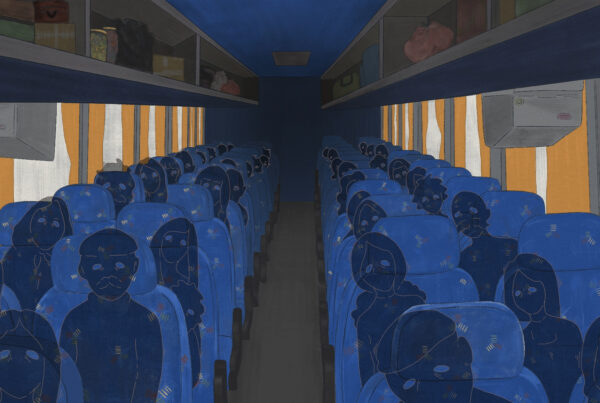
The six-minute film unfolds with tenderness, using animation not to sugarcoat reality but rather to express what words cannot say. Empty rooms, dim lights, background noises, and meaningful glances tell us more than words can say. Drawing inspiration from the testimonies of women displaced during the 2001 conflict in North Macedonia, It’s Quiet Now tells a story that is often left untold. It is a film about leaving, but even more about what cannot be packed nor replaced.
Beli Dani (Bright Summer Days), Nevena Desivojevic, Serbia, 2026, fiction sperimentale
Nevena Desivojević offers us a glimpse of the nostalgia and melancholy that define the Balkans, delicately portraying the silent grief felt both by those who leave their homeland and those who stay behind, while illustrating how bonds, though frayed by migration, manage to endure despite everything.
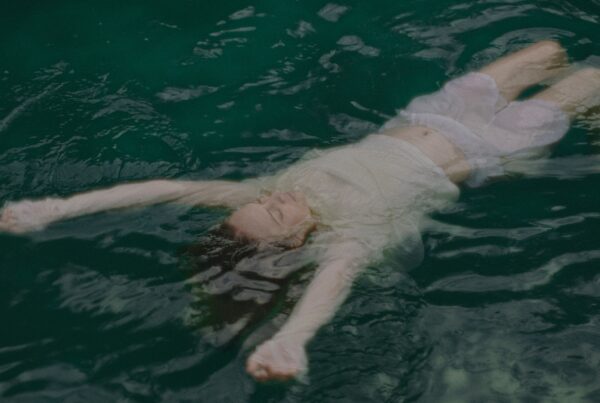
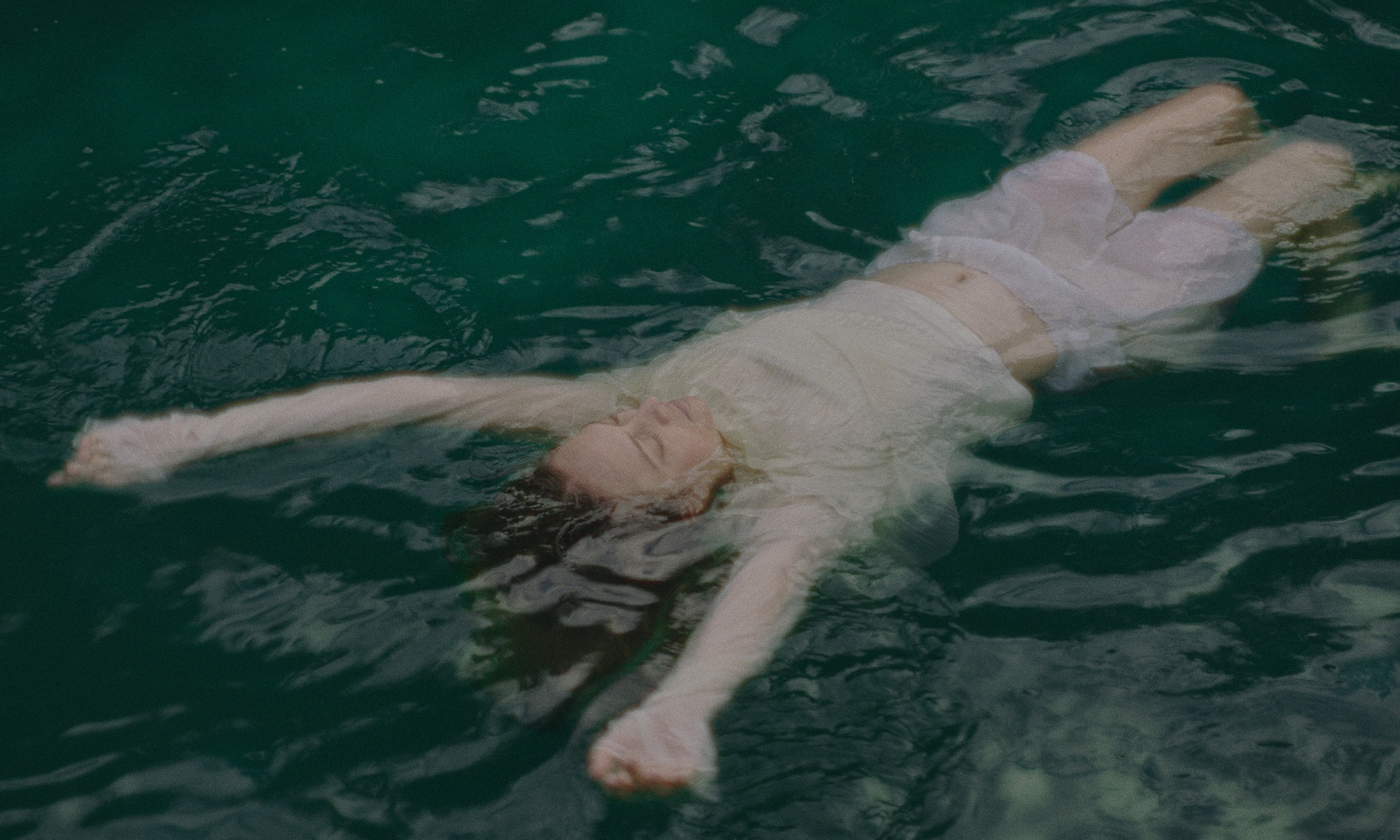
Time appears to stand still, suspended among silence, water, and telling glances between two sisters reunited after years spent apart, whilst the distance between them and the absence of communication seem to become tangible in the interplay of light and the serene Serbian landscapes. Beli Dani, reflecting on how love and a sense of belonging can be transformed by time and distance, is a quiet yet poignant portrait of memory and the difficulty—yet deep intimacy—of reconnecting with distant places and loved ones.
I Accidentally Stepped on a Flower, Eneos Çarka, Stivi Imami, Albania, 2025, sperimentale
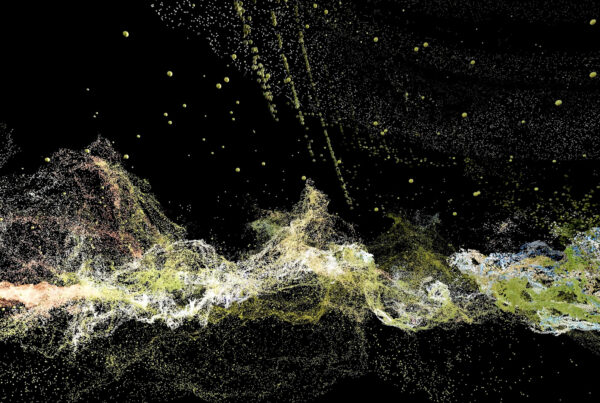
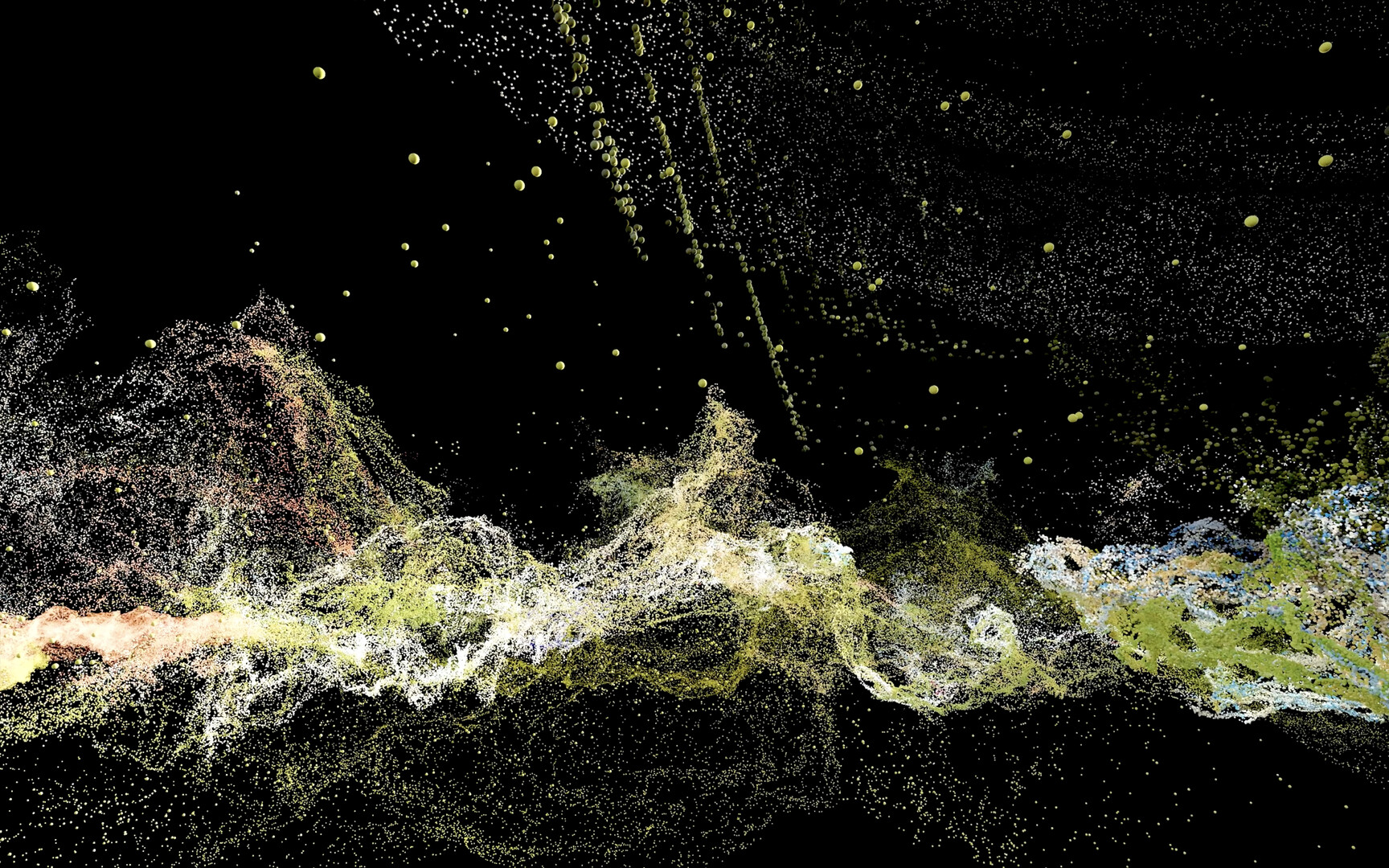
‘Have you ever walked into an empty stadium? Give it a try. Stand in the centre and listen.’ With these words, Eneos Çarka and Stivi Imami invite us inside Tirana’s second-largest stadium: a socialist relic out of step with the surrounding world, suspended in a quiet, timeless limbo. The short film was born when wild flowers sprouted in the abandoned pitch. I accidentally stepped on a flower is an innovative reflection on spatial epistemology, proposing the rediscovery of a place through a distinct sensory experience. The truth is soon revealed: there is nothing less empty than an empty stadium.
Čovjek Koji Nije Mogao Šutjeti (The Man Who Could Not Remain Silent), Nebojša Slijepčević, Croazia, 2024, fiction
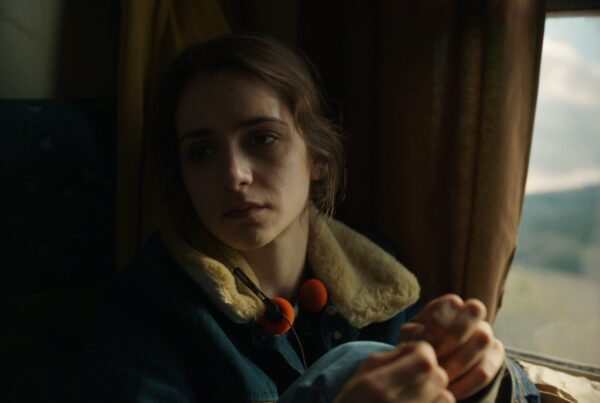
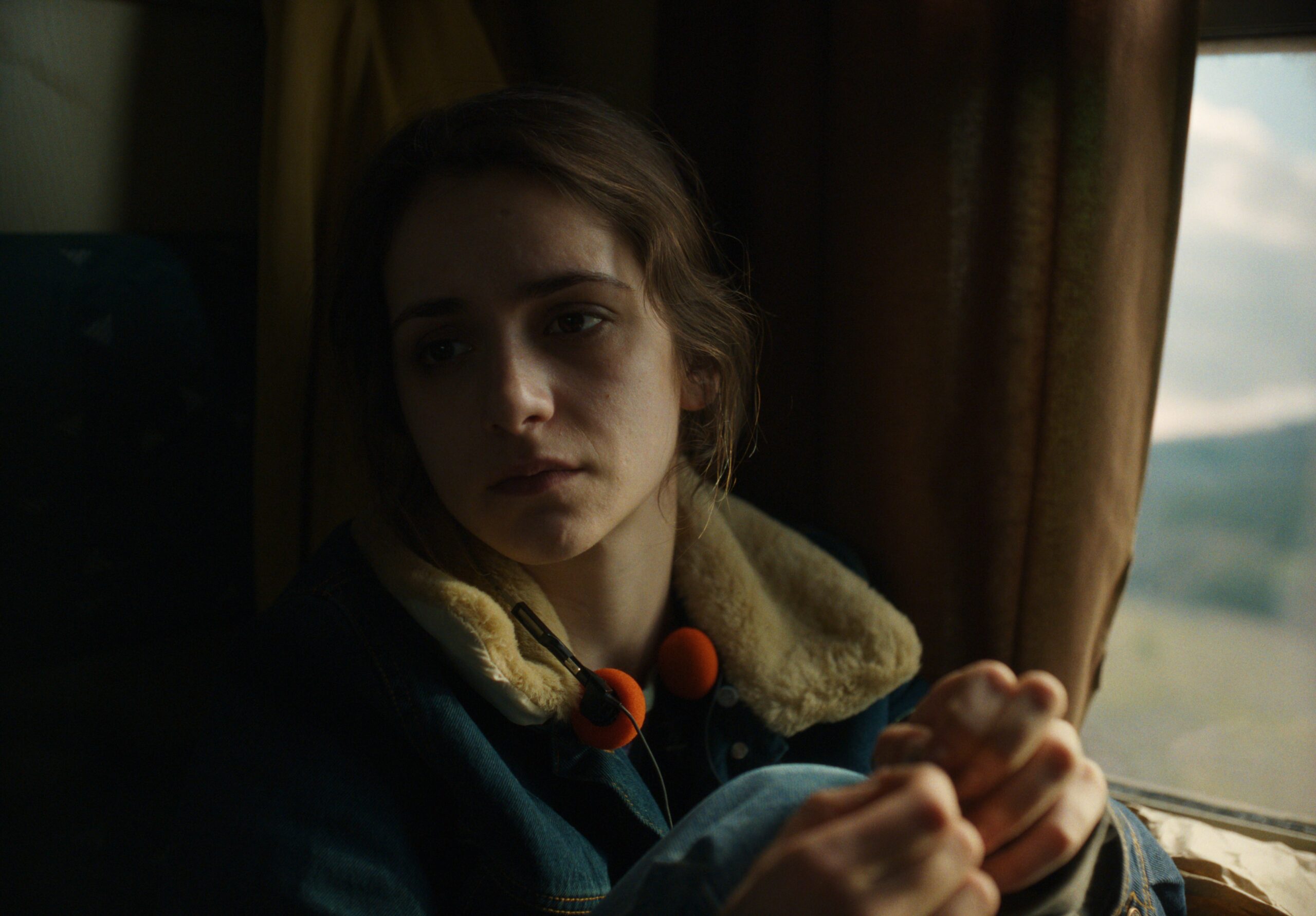
Despite being based on the true story of the Štrpci massacre, The Man Who Could Not Remain Silent does not aim at depicting a tragic, historical event in a staged and dramatized manner. Rather than indulging on violence, which is close enough to be perceived without ever being shown, Nebojša Slijepčević focuses on the unbearable silence that allows the massacre to unfold. Without ever leaving a crowded train carriage, the director’s camera shows that every unspoken word and every action not taken carry the weight of a choice. The Man Who Could Not Remain Silent gives an unsettling portrait of silence in all its forms: while faces turn away and voices falter, fear spreads from one passenger to the next, along with the realization of becoming helpless witnesses. Against this backdrop of silent complicity, Tomo Buzov’s voice stands out, who decides to step in to show humanity at a time when it is fading, rather than to perform a heroic act.
During this time, when atrocities are unfolding before our very eyes (just think of the massacres in Gaza and Ukraine, documented 24/7 on social media), this film offers a reflection on complicity. Perhaps it is time to stop looking the other way and to take action.




Commenti recenti