
Wednesday – if anyone had the gift of being in two places at once, today would be the perfect day to use it!
Starting at 3 pm at Ricci Oddi in Piacenza: Industry Day – The Summer Connection, which this year launches the Italian Film Atlas – Culture and Industry of Short Films in Italy, a project by Concorto Film Festival and the Centro Nazionale del Cortometraggio, in collaboration with the Department of the Arts – University of Bologna.
From 4 to 6 pm: back at Rathaus for Ito Meikyu; at 4:30 pm in the courtyard of Ricci Oddi, the second day of Concorto Kids with the workshop “Music in Nature” led by Beatrice Aramu of Piacenza Bambini and “What Sound Are You?” curated by Enrica Carini. Afterwards, snack time and screenings. Also at Ricci Oddi, at 6 pm, the Get To Work focus screening.
All activities in Piacenza are guaranteed to take place even in case of rain!
As for tonight, due to stormy weather, screenings will move to the Amici dell’Arte Hall at Galleria Ricci Oddi (Piacenza). Please note: the venue has fewer seats compared to the park. There will be 50 seats available, 20 of which reserved for pass holders—pass holders may enter until 8:50 pm, after which remaining seats will be opened to the general public.
The evening will be held in Silent Cinema mode, with headphones, following the scheduled program: first the competition films, followed by the #OutOfCompetition selections, meaning A Corto di Diritti by Corto Dorico International film Fest.
See you later—don’t forget your umbrella and raincoat!
Vox Humana – Don Josephus Raphael Eblahan
As seen by Mangiavacca
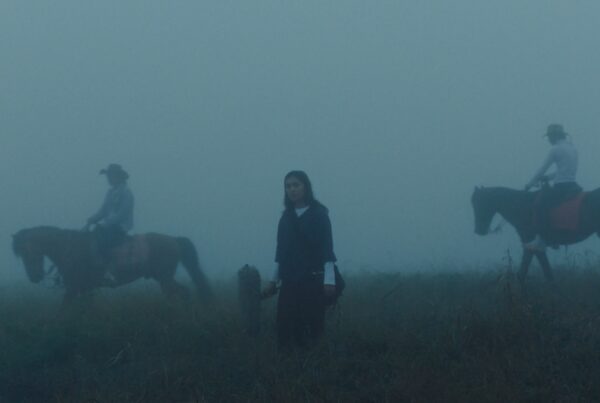
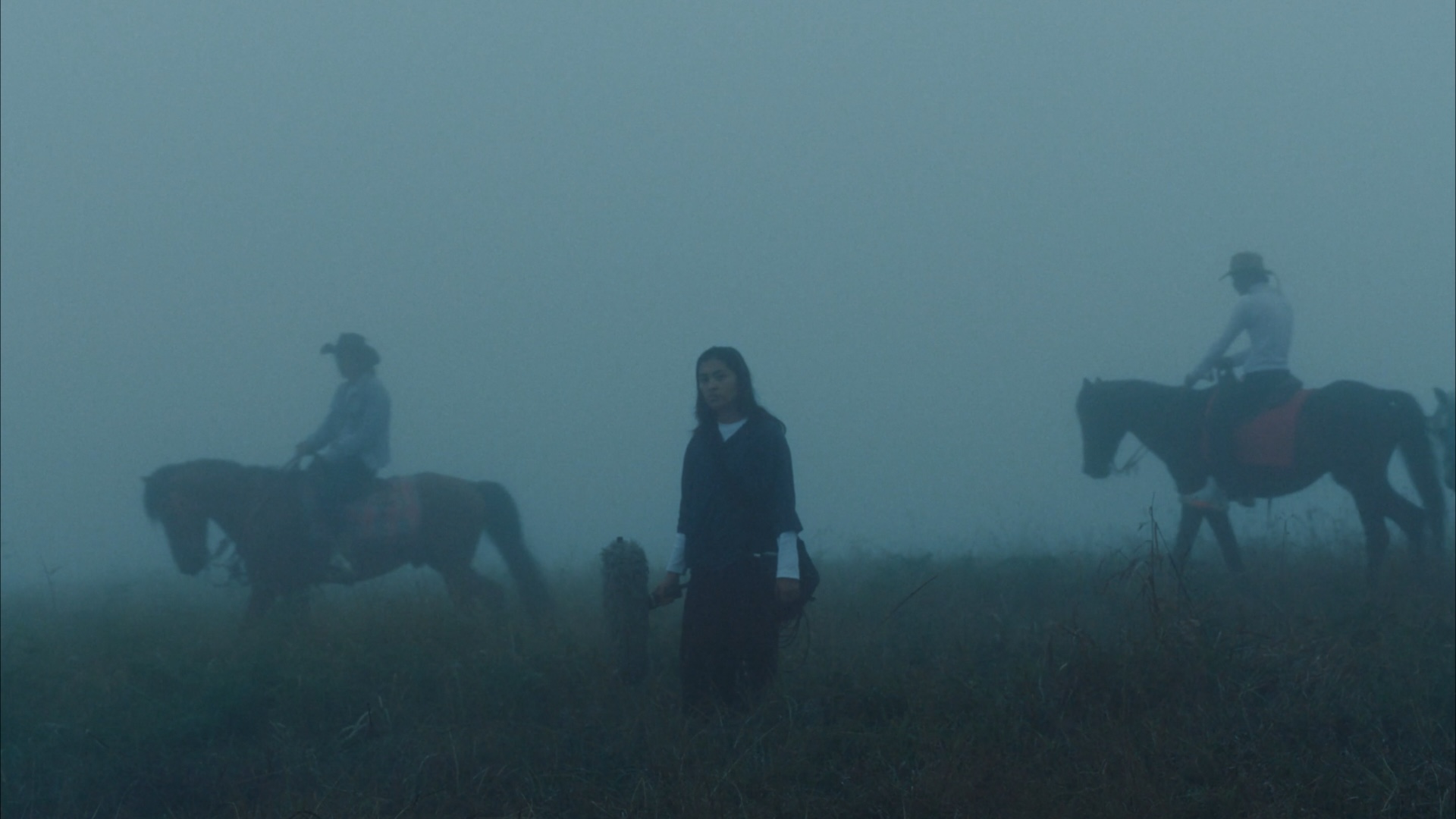
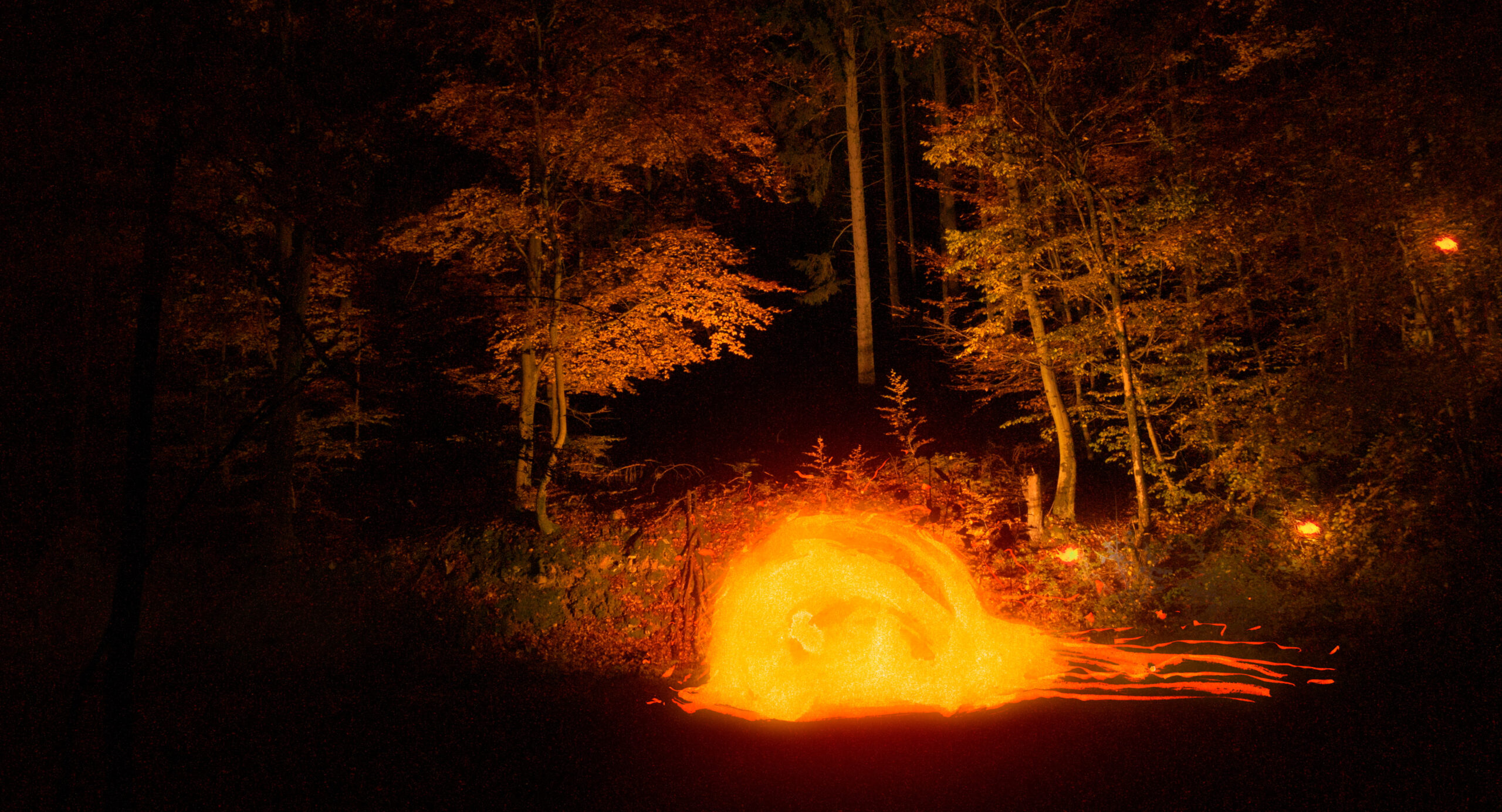
A small town in northern Philippines is plagued by natural disasters: the blame seems to fall on a single man, found in the forest. With Vox Humana, Filipino filmmaker Don Josephus Raphael Eblahan creates a short film that resembles a ritual, an immersive experience that is far from a traditional narrative. It carries with it all the stylistic elements that enliven not only contemporary Filipino short cinema—but also the focus of this year’s Concorto geographic spotlight.
The landscape asserts itself alongside the sonic dimension: on the one hand, indigenous traditions and a deep bond with nature; on the other, an imagination nourished almost by science fiction and imperfect digital aesthetics. In Vox Humana, spoken language itself becomes rhythm, generating a tension that envelops the entire film and exposing the cracks in humanity’s dominion over the animal and natural world.
Saarvocado – Victor Orozco Ramirez
As seen by Vanessa Mangiavacca
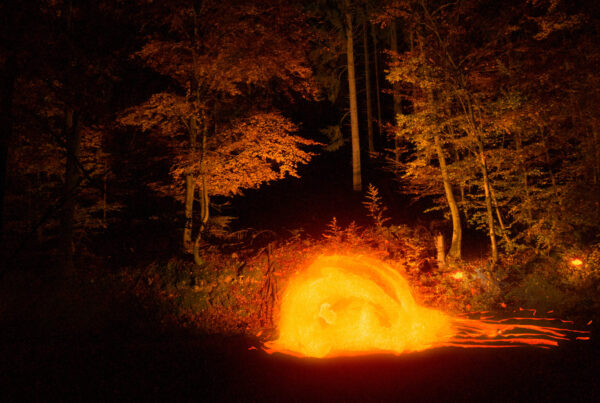
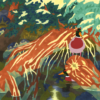
Mexican director Victor Orozco returns to the Concorto Film Festival—after his last participation in 2020 with Revolykus—with Saarvocado, a brief yet striking animated documentary lasting seven minutes. The film takes us into a natural landscape that is far more than it seems. We find ourselves in Germany’s small Saarland region, bordering France and Luxembourg: a territory marked by an evocative, almost paradisiacal woodland stillness. Yet the nature that has lain undisturbed for decades is in fact a silent witness to the wartime past that swept across Germany during World War II.
The imprints of memory are inscribed upon the bark of those serene trees, awaiting only the gaze of those who know how to look. Saarvocado invites us to observe our surroundings with renewed eyes, ensuring that the traces of the past are not forgotten—reminding us that nature is both guardian and the greatest archive of history.
Blanche – Joanne Rakotoarisoa
As seen by Laura Savoini
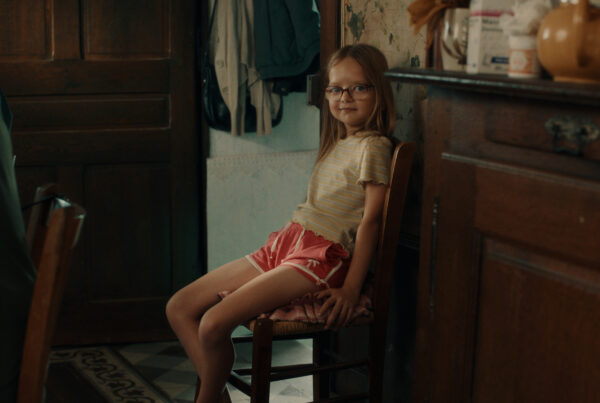
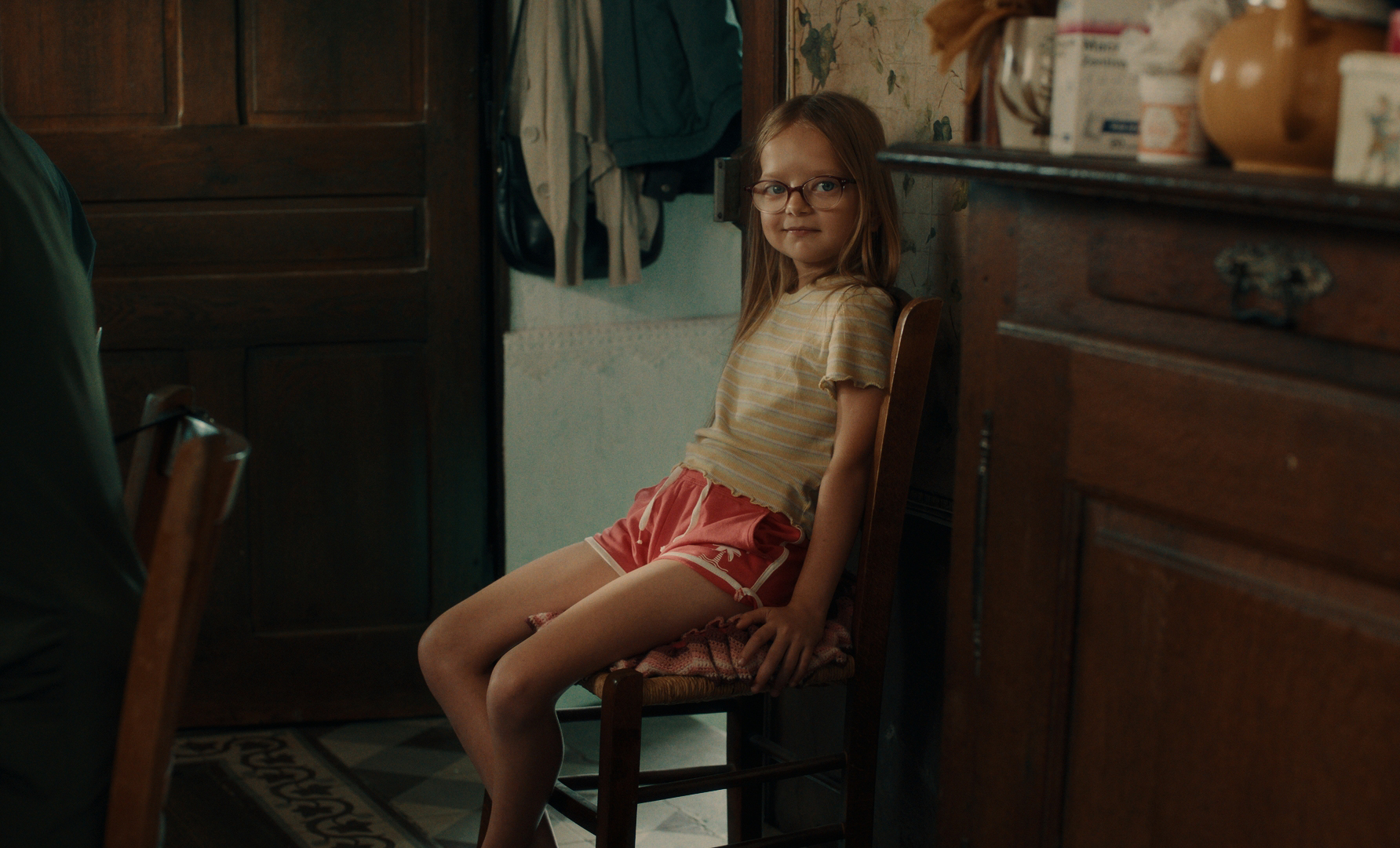
In a small village in the French countryside, locals are preparing for the funeral of Blanche, Ana and Zaza’s grandmother. The latter is the daughter of a woman who decided to leave her hometown, thus bringing to an end any kind of relationship with her family. But coming to terms with the choices of the past is something that future generations will have to deal with. On the one hand, young Ana is dominated by a protective mother who has spent time nurturing her and spreading resentment towards her sister. On the other hand, Zaza has to spend her summer in a narrow-minded and bigoted environment that does not recognize her as a part of the community, but only as a stranger. When everything is so hostile to the girl, even her deceased grandmother’s bed seems inhospitable, her relationship with her little cousin Ana will make her feel part of something more important.
Il burattino e la balena – Roberto Catani
As seen by Serena Varrucciu
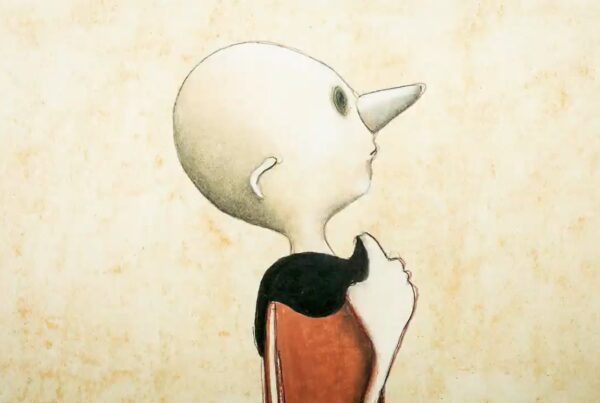
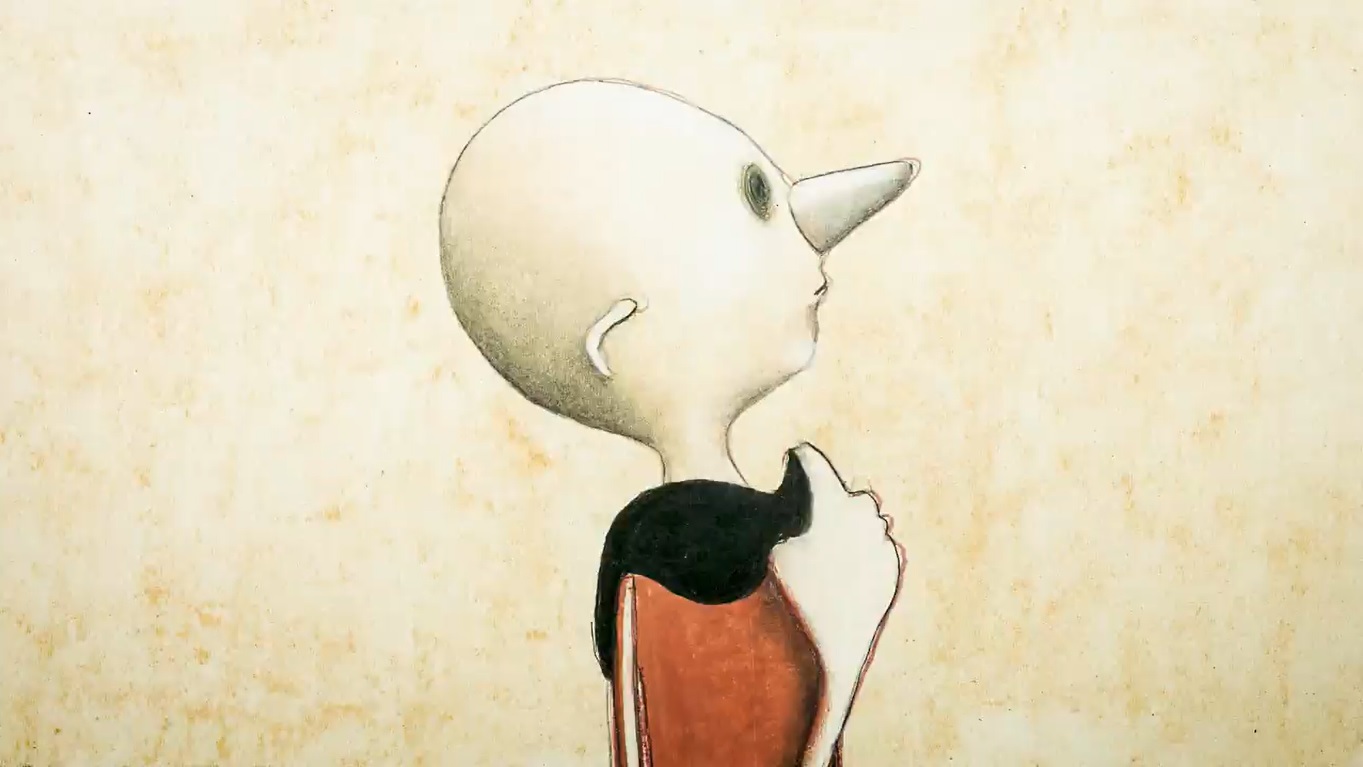
The fairy tale of Pinocchio is reinterpreted and turned on its head by the director, who decides to have his puppet make the opposite choice to that of the protagonist in Collodi’s work: after being created, the protagonist is confronted with a possible future in which he becomes “a child like all the others,” which manifests as a future of conformity, loss of identity, denial of fun, and of that carefree spirit typical of childhood; a world in which the whale, symbol of the capitalism that permeates and dictates our life rhythms, defining our role in society, swallows everyone within its insatiable belly. After witnessing all this in a sort of flash forward, the puppet makes a choice that we understand to be difficult: he removes the cap from his head – his first garment, the object that marks the beginning of his transformation – lets it fall at his feet, and looks towards the audience: he chooses not to transform and to remain a wooden creature, incomplete, different, and thus unique.
Autokar – Sylwia Szkiłądź
As seen by Laura Savoini
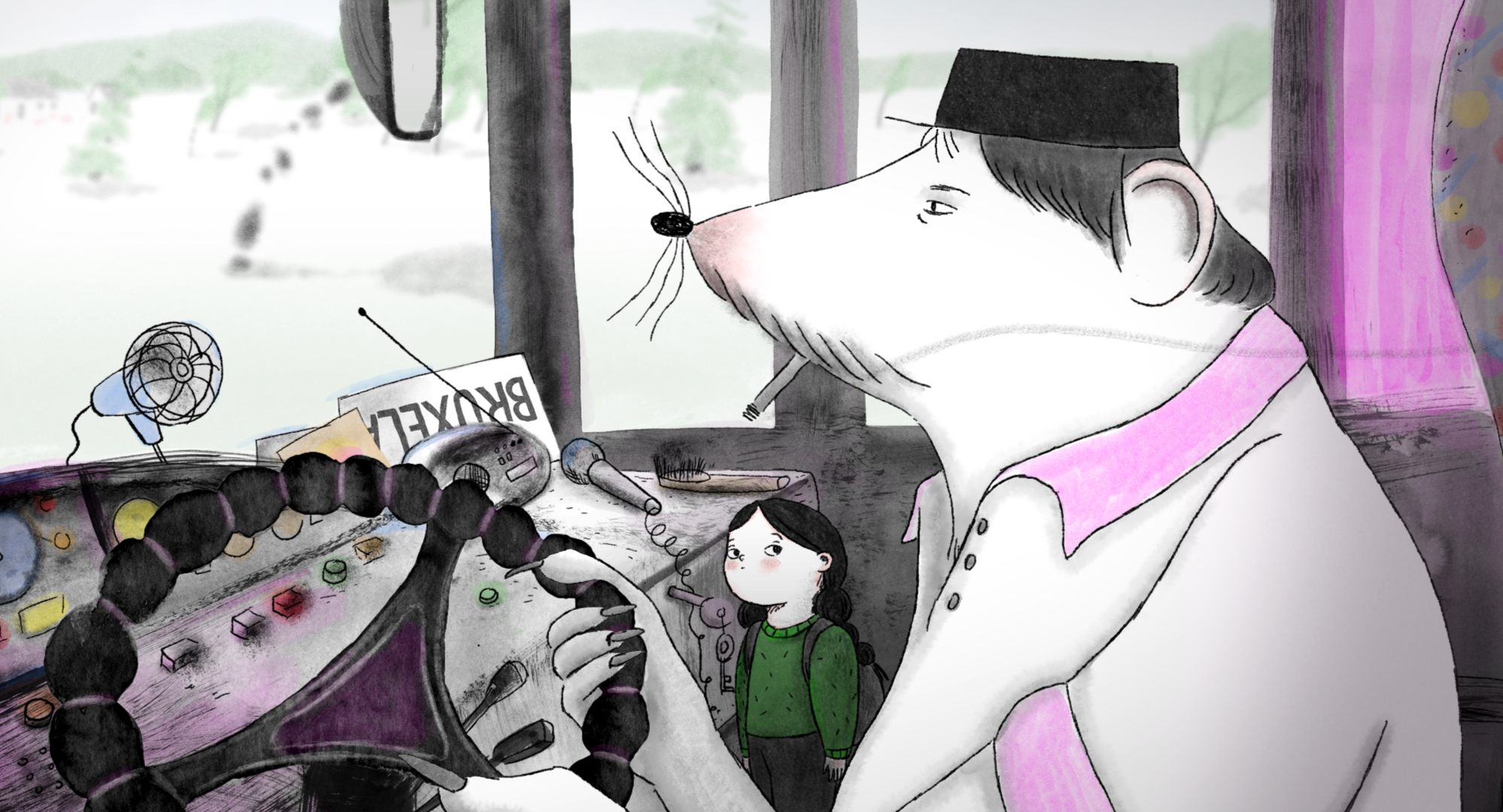
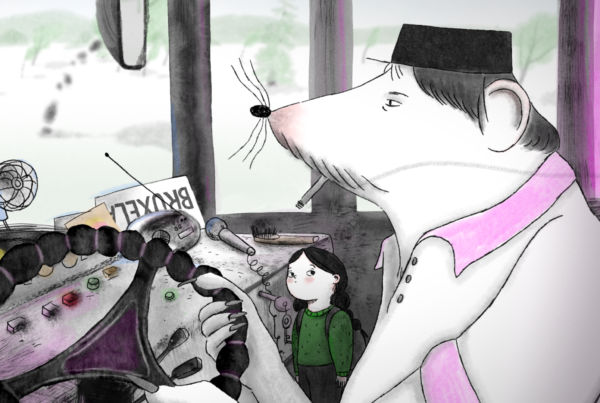
So many things can happen if you give a pencil to the right person! This is true both for Agata, the child protagonist of this animated short film, and for Sylwia Szkiłądź, who, through Autokar, tells a story of immigration seen through the eyes of a young girl, i.e. someone with a pure imagination. During her journey, Agata leaves Poland and her grandparents to embark on a bus to join her mother in Belgium. Here she will encounter mysterious wolves that are not frightening, unlike in fairy tales, lovable birds that knit gifts for their grandchildren, and grumpy animals that teach you that when you leave your country, you are forced to learn to grow up quickly.
Agapito – Arvin Belarmino e Kyla Romero
As seen by Anna Vullo
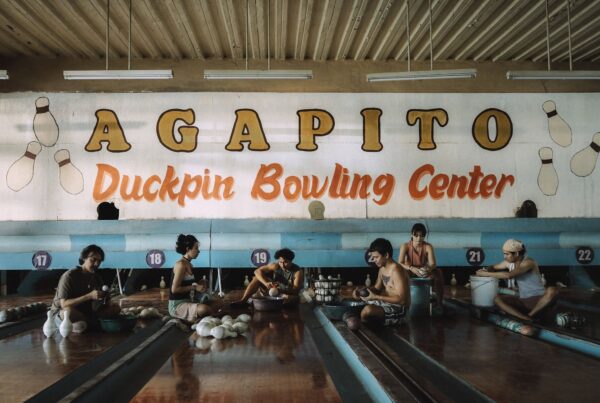
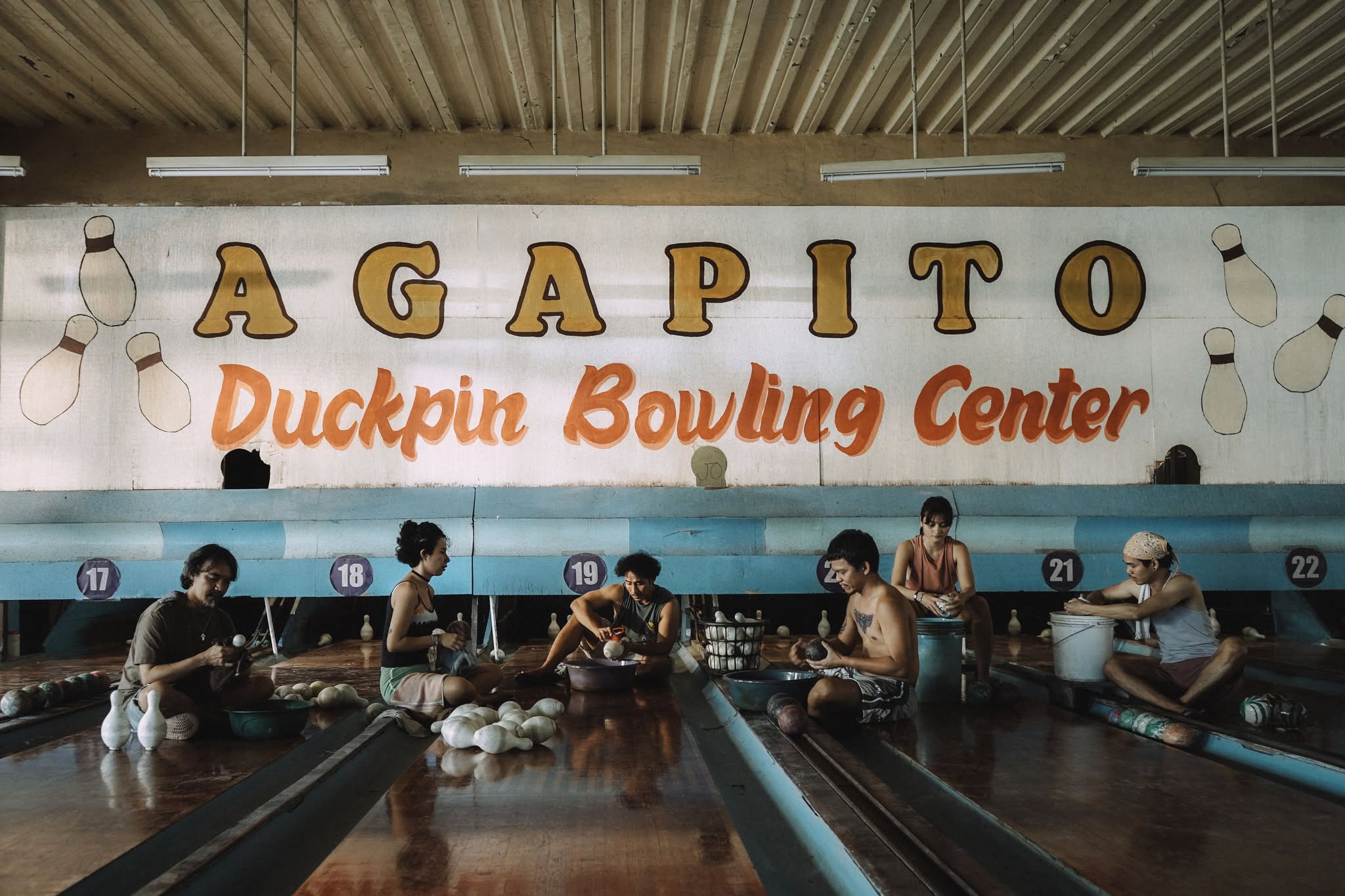
Mira works at a bowling alley run in the traditional way, where humans manually set up pins, with all the risks this entails. She is the one who coordinates and stands up for the team, while also taking care of her older brother Junior, who has cerebral palsy. Through Mira’s daily challenges, the short film by Arvin Belarmino and Kyla Danelle Romero tells of the longing to spend quality time with our loved ones despite the frenzy of everyday life, offering a lyrical portrayal of family, the Filipino community and the bond between brother and sister.


Commenti recenti