
curated by Claudia Praolini | reviews by Carola Visca
Supernature is a film section featuring at Concorto Film Festival since 2016. Each edition brings together visual experiences focused on the human being-nature relationship, i.e. a topic that is increasingly explored by short filmmakers.
The films featured in Supernature offer reflections that explore different aspects of this complex relationship between human beings and nature, starting from the pantheon of divinities through which humankind has communicated with natural forces since the Neolithic era, up to the indiscriminate exploitation of resources and climate change that are confronting humanity with a new challenge: the extinction of life on Earth. If contemporary anthropology reminds us that the contraposition nature/culture belongs only to the modern West, the opposition that has been constructed between the universality of nature and the cultural diversity becomes a dangerous element that separates us from the world. Each film is both a condemnation of this separation and an invitation to reconciliation between humanity and Nature.

The selected films
curated by Claudia Praolini
Common Pear by Gregor Bozic, Slovenia/UK (2025)
El Bon Auguri by Alba Bresoli, Spain (2024)
Lanawaru by Angello Faccini Rueda, Colombia/Mexico/USA (2024)
Memories of an unborn Sun by Marcel Mrejen, France/Algeria/Holland (2024)
Who loves the Sun by Arshia Shakiba, Canada/Quebec (2024)
Reviews by Carola Visca
Lanawaru by Angello Faccini
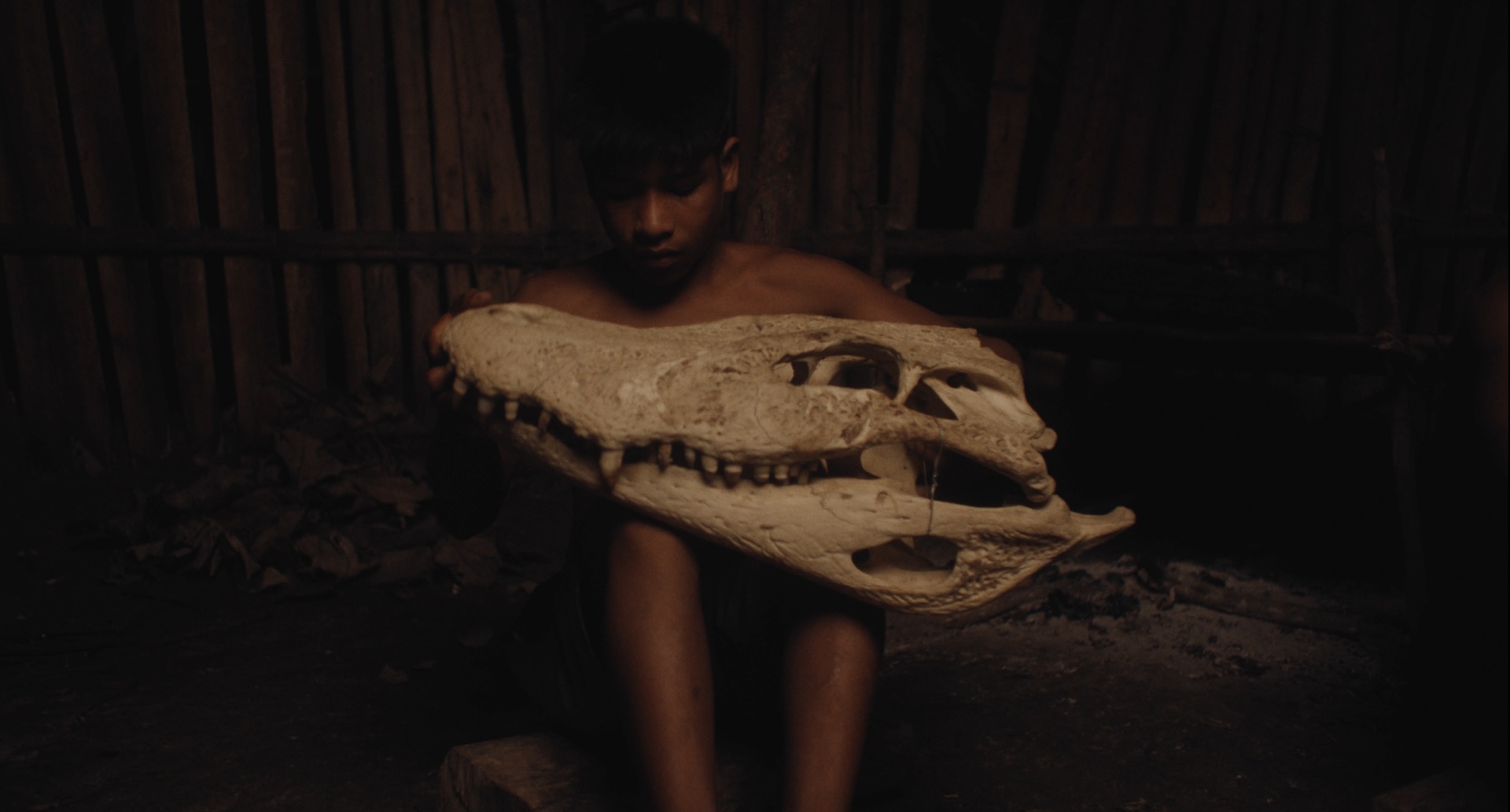
A member of the indigenous community of Puerto Caimán mysteriously disappears without leaving a trace. His fellows begin to search for him by questioning local groups and the spirits that haunt the jungle. Angello Faccini’s film captures the atmosphere of a place where every natural and animal element is interconnected and governed by ancient traditions that are still alive and effective. The caiman that inhabits the river, possibly responsible for the man’s disappearance, is not a beast to be punished with death, but rather a member of the system of balance between human beings and nature. To restore this disturbed harmony, a young boy together with his grandfather will perform protective rituals for the community, so that they can once again navigate those waters without fear.
Common Pear by Gregor Božić
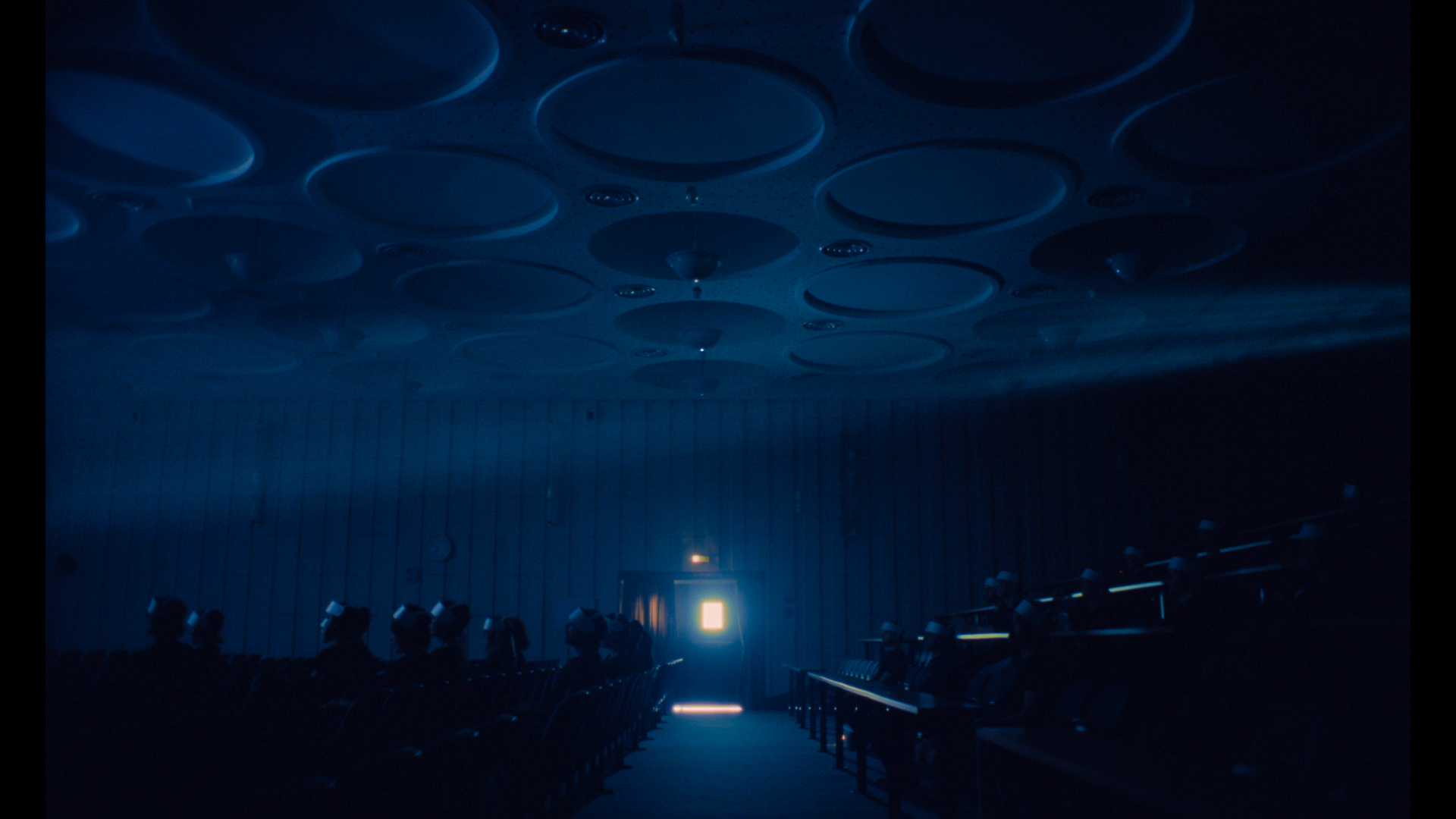
In a dystopian future, a building projected to combat excessively high external temperatures houses several scientists engaged in studying past generations and their relationship with nature, through images and interviews projected onto a screen. Immersed in their cinematic world, the researchers observe the cognitive mechanisms of some old Slovenian farmers, witnesses of a world now long gone, where people grew fond of their trees and did everything to help them live and thrive. Gregor Božić’s short film reminds us how blind trust in technological progress can lead to the total isolation of human beings on a hopelessly arid and deserted Earth.
El Bon Auguri by Alba Bresolí
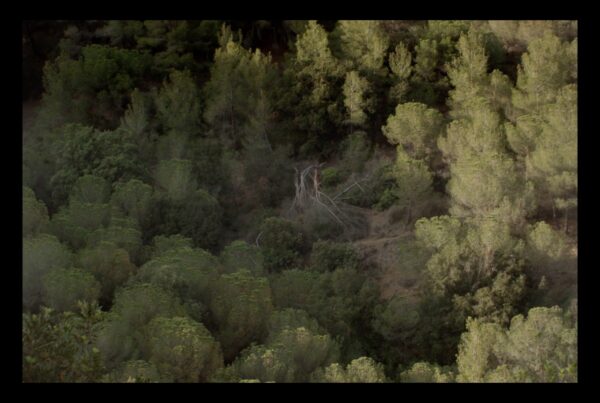
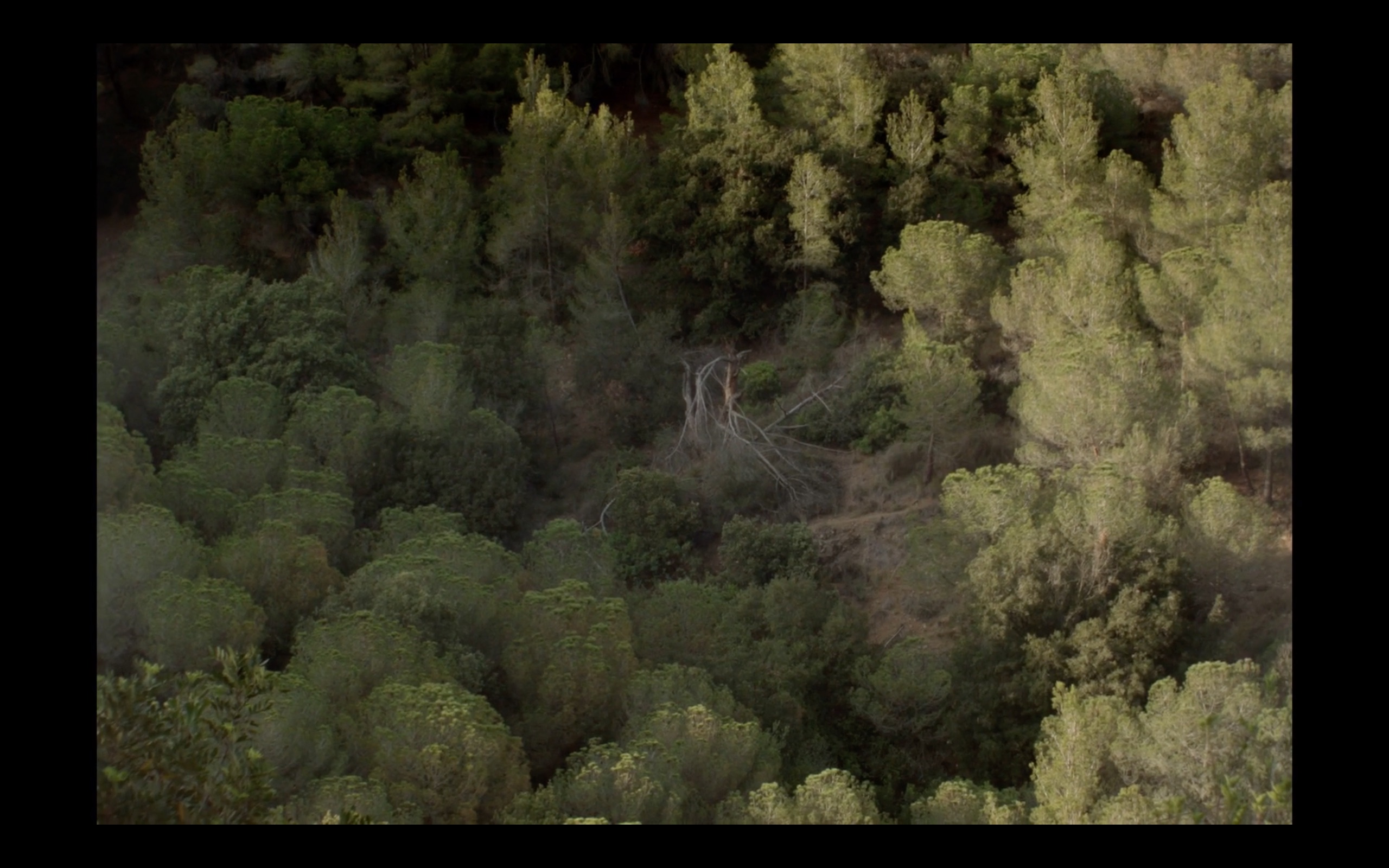
A group of women symbolically cover a stone in an apparently abandoned field with a red woolen cloak, a gift for the last shepherd of the town, who will soon be separated from his flock. El bon Auguri is a tribute to pastoral life swallowed by growing urbanization, to a life dedicated to resistance in the distorted landscape of Barcelona’s urban outskirts. The artistic creation by acollective of women on the stone in Collserola Park connects past and present: the stone, an unmovable and sacred presence, once a “speaking altar” for rites of good omen, has now become a worthless tourist destination.
Memories of an unborn Sun by Marcel Mrejen
Marcel Mrejen’s short film is an experimental documentary that portrays the exploitation of Chinese workers in Algeria through direct testimonies and a variety of material: archival footage of nuclear tests similar to propaganda newsreels and evocative images of the places where workers endure harsh working and living conditions. The warm yellow light of the sun serves as a common thread in this document of neo-colonial history, in which exploitation seems to have no end.
Who Loves the Sun by Arshia Shakiba
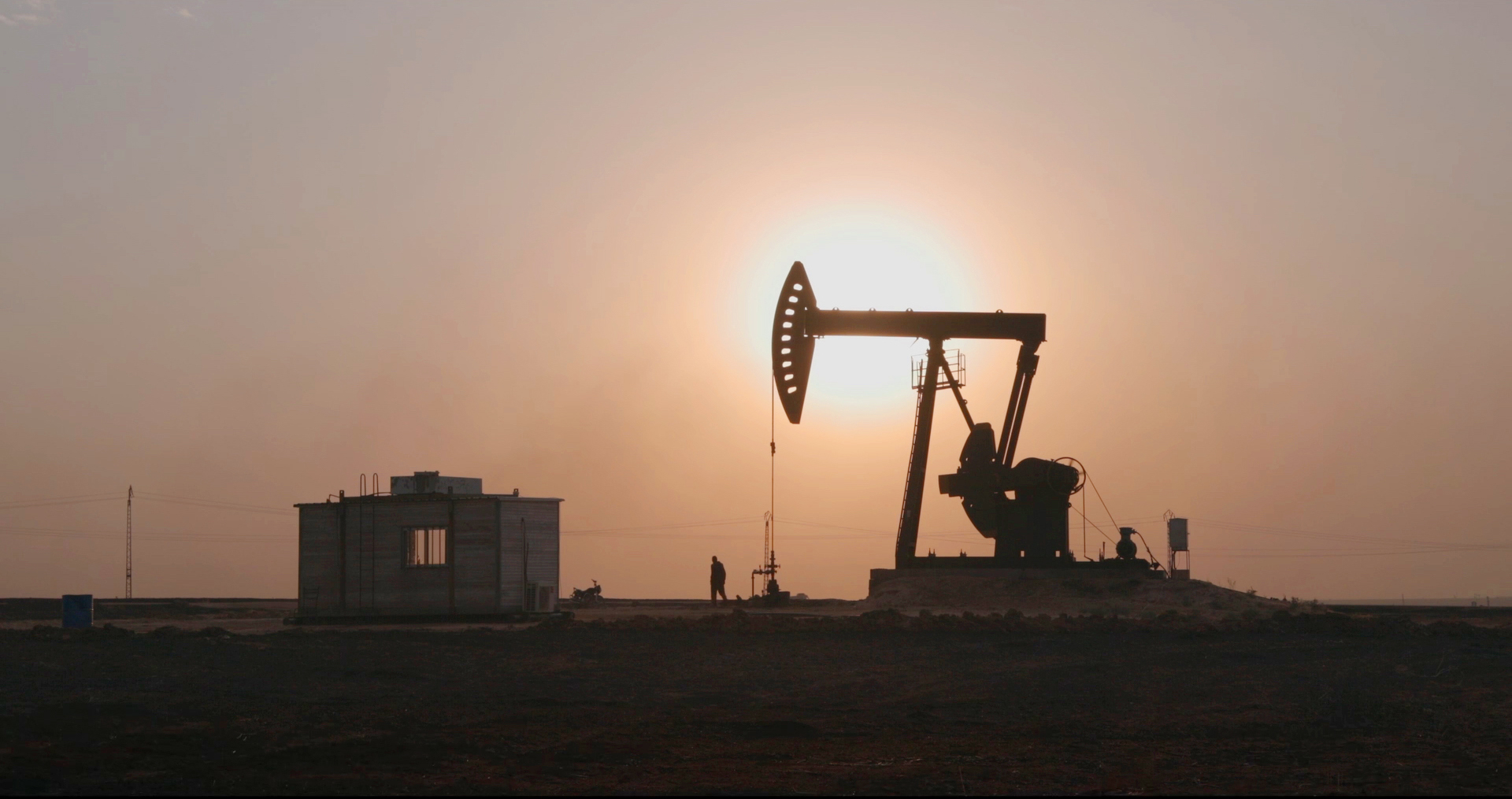
Who Loves The Sun, a visually powerful documentary, depicts the impact of the civil war in Syria on the population through its striking images. Mohammad, like many others following the collapse of the oil industry, engages in DIY refining, a dangerous yet necessary source of income that simultaneously becomes a form of mutual aid within the community. Black smoke constantly follows the man as we travel with him through the semi-abandoned industrial landscapes of tragic beauty.





Commenti recenti