
curated by Chiara Ghidelli
In its 2026 edition, Concorto Film Festival will introduce the Bodies of Melancholia focus, a selection dedicated to the exploration of irregular emotional fields and people who live on the margins of society, born from increasingly unsustainable cultures and lifestyles. The focus explores how the body somatizes these forms of unease: tension, impulses, fragility, and resilience inscribe themselves in physicality, transforming it into a visible place of conflict and inner expression. From this starting point, Bodies of Melancholia aims at investigating these inner landscapes through the body, observing how emotions and invisible pressures can shape gestures, movements, postures, and transformations.
This selection reveals individuals burdened by complex identities which perceive themselves as cumbersome and out of place, and which find expression in jolts, impulses and bodily outbursts. Human, non-human, and super human: not only portraits, but also poetic places made of symbols, flesh, and atmosphere.
Bodies of Melancholia maps these embodied emotional territories that result from sociocultural dynamics that cross individuals and relationships in rural and urban contexts, and depicts a contemporary society marked by a progress, but often devoid of empathy, where the body becomes both an archive and a visible expression of contemporary discomfort.
The selected shorts
curated by Chiara Ghidelli
Ali, Adnan Al Rajeev, Bangladesh, Filippine, 2025, fiction, 15′
A Very Straight Neck, Neo Sora, Giappone, 2025, fiction, 10′
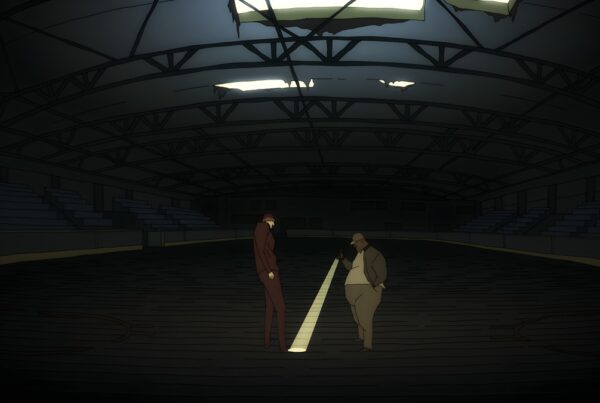
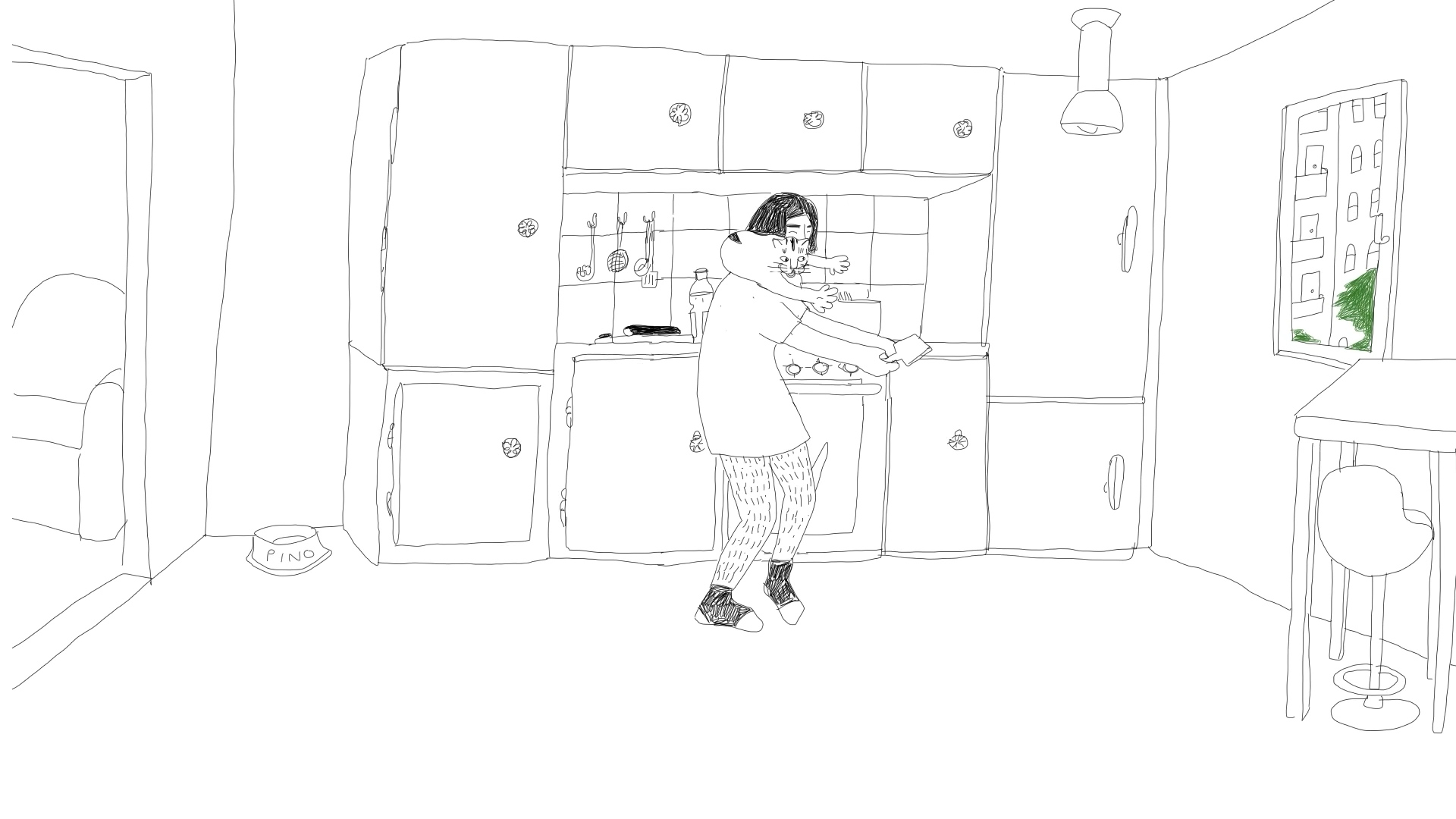
Ce Qu’on Laisse Derrière (What We Leave Behind), Alexandra Myotte, Jean-Sébastien Hamel, Canada/Québec, 2025, animazione, 10′
Challenges of a Solitary Mind, Astrid Rothaug, Austria, 2025, animazione, 3′
Desdoblándome (Unfolding Me), Natalia Pájaro, Messico, 2025, animazione sperimentale, 7′
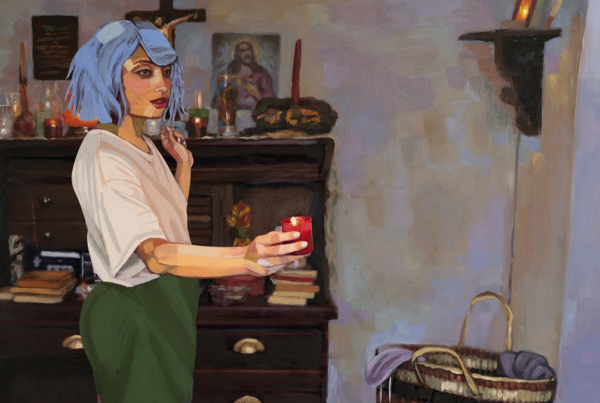
El Cuerpo De Cristo (Corpus Christi), Bea Lema, Spagna, 2025, animazione, 12′
Former Cult Member Hears Music For The first Time, Kristoffer Borgli, Norvegia, Stati Uniti, 2020, mocumentary, 12′
Four Percent, Monika Maslon, Germania, Argentina, Polonia, 2025, documentario animato, 13′
Hypersensible, Martine Frossard, Canada , 2025, animazione, 9′
Ali by Adnan Al Rajeev (Bangladesh, Philippines, 2025)
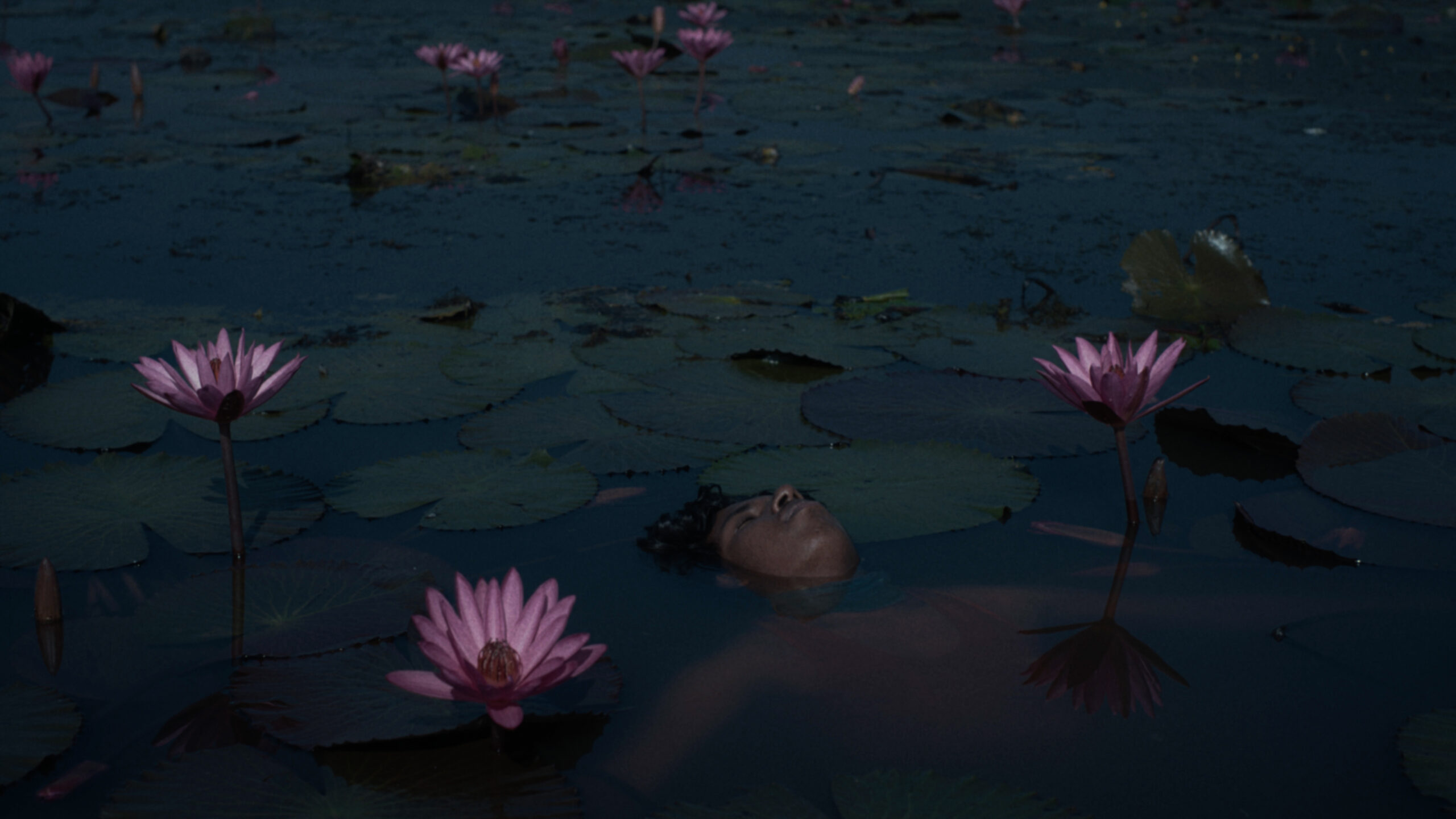
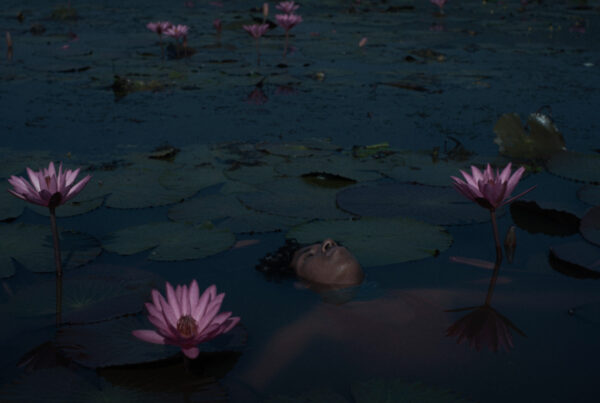
First Bengali title to enter the selection for the official short films competition at the Cannes Film Festival, where it also received a Special Mention, Ali is the story of a young boy who lives in a small rural village in which girls are forbidden to sing. Boys, on the other hand, have the chance to participate in a singing contest, by winning which they can travel and guarantee themselves a future outside the village. Ali joins the competition, hiding a wound on the neck that tells something unspeakable about him, at least for the culture in which he lives. It’s the story of a strong but hidden identity, of a body around which culture and society build a form of unease and dysphoria. It’s the story of a great revolution.
A Very Straight Neck by Neo Sora (Japan, 2025)
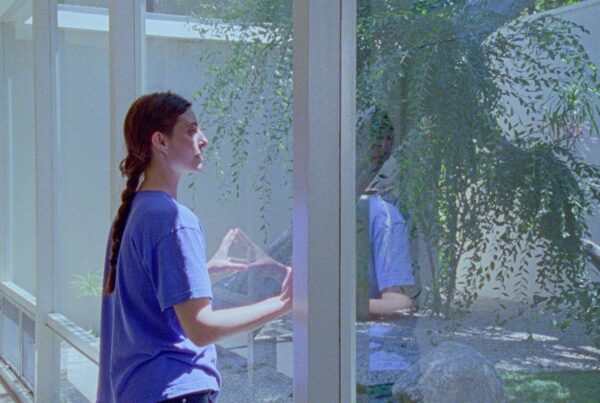
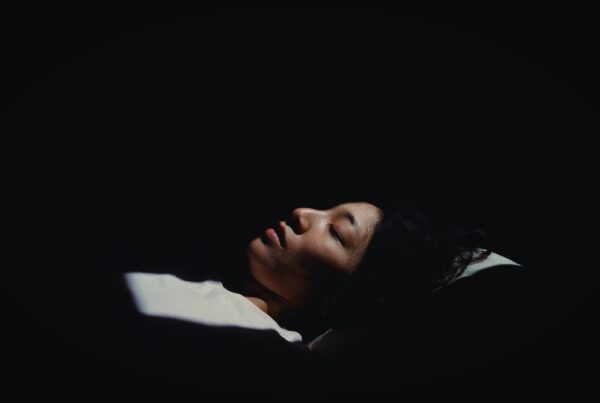
Based on the story I Will Go Ahead by Momoe Narazaki, Neo Sora’s work is an audiovisual adaptation around the theme of a body that narrates its own trauma. A woman wakes up after having a strange dream, and by getting up she notices a disabling, sudden pain in her neck. Without directly investigating the causes, the physical pain becomes a pretext for analyzing a feeling that is more or less long-standing and perhaps still unprocessed. Parts of a more or less traumatic past resurface and bring with them questions, doubts and repercussions that are no more possible to postpone. A pain that adds another point of view, a new way of perceiving, from the neck to the mind.
Ce Qu’on Laisse Derrière (What We Leave Behind) by Alexandra Myotte, Jean-Sébastien Hamel (Canada/Québec, 2025)
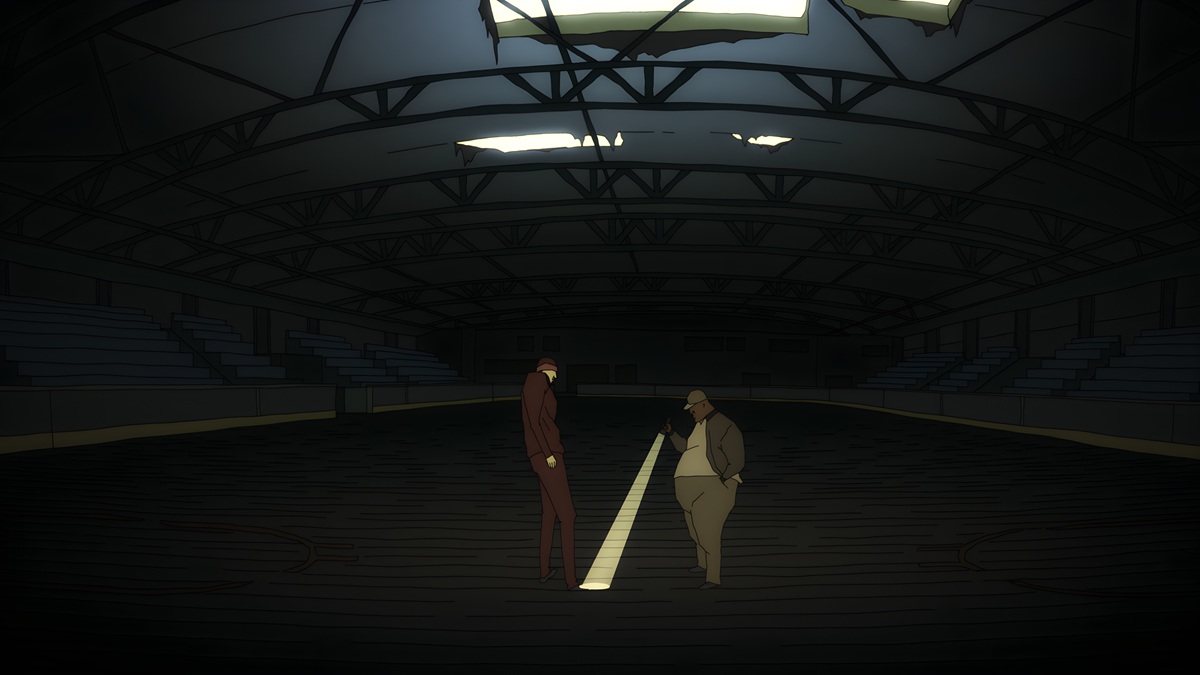
Presented at Locarno Film Festival in the section “Pardi di Domani”, What we leave behind is the story of a body that is literally missing something. A hole in Dan’s neck, the protagonist, reveals something fundamental about him. The story of a trauma – as the authors Alexandra Myotte and Jean-Sébastien Hamel say – told as something that is not confined to the past, but present, current, enduring. With and through this trauma, Dan retraces his lived experience and his present along liminal spaces and labyrinths that become emotional maps. Always sourcing from the words of the authors, the path of the character is often seen firsthand, through his gaze, a gaze that looks inward in a painful but necessary journey. The journey of a body that can’t help but shout what it has experienced.
Challenges of a Solitary Mind by Astrid Rothaug (Austria, 2025)
Challenges of a Solitary Mind, animated short film of about three minutes directed by the Austrian Astrid Rothaug, delicately addresses the theme of introversion. A snail-girl, in a society that rewards extroverts, chooses to adapt to situations she enters into with a certain “jomo”, joy of missing out, has settled. This way, the shell becomes a metaphor for the need for a safe space in which to find shelter when social requests become too intense. With the language of animation, Challenges of a Solitary Mind recounts the deep and personal conflict of those who would participate in social life without giving up their own peace and needs.
Desdoblándome (Unfolding Me) by Natalia Pájaro (Mexico, 2025)
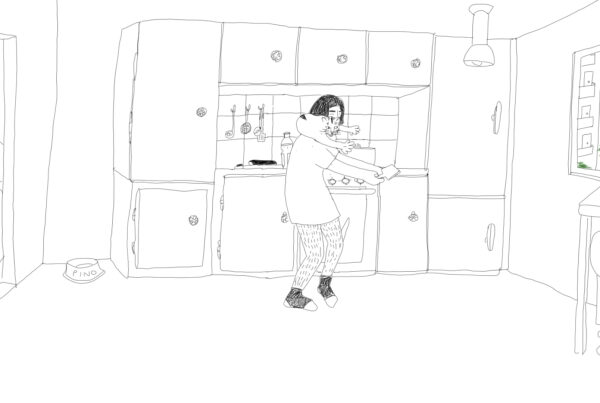
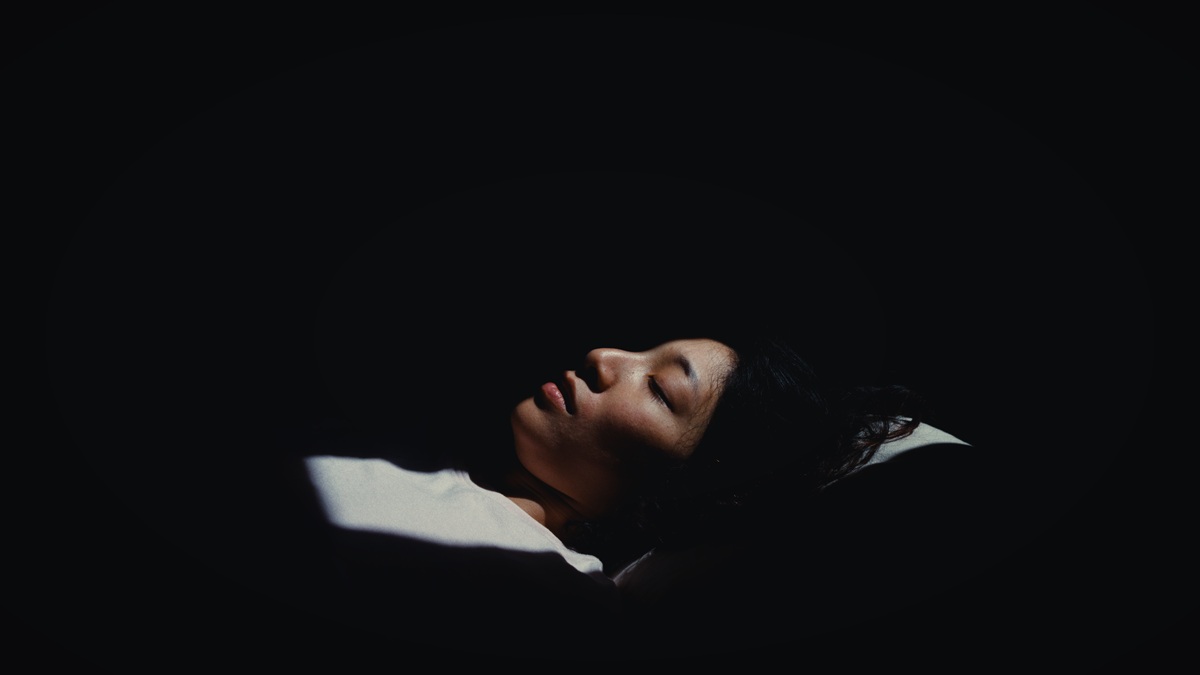
Henrietta, a young woman, is apparently alone in her room. A common bedroom that soon reveals glitches, distortions, sounds and disturbances of unknown origin. This way the path of Henrietta begins: by never leaving her room, she goes on a psychic journey in which she will meet memories, people, sensations of alienation and dissociation, through which she will experience the loss of control over her own identity. Her world is created with a type of animation that makes it possible to convey the transformation but also the confusion, the chaos, where people and thoughts have ephemeral and interchangeable outlines, where the inside and the outside lose their borders. Unfolding me, directed by Natalia Pájaro, represents the body that somatizes the speed of what moves within it.
El Cuerpo De Cristo (Corpus Christi) by Bea Lema (Spain, 2025)
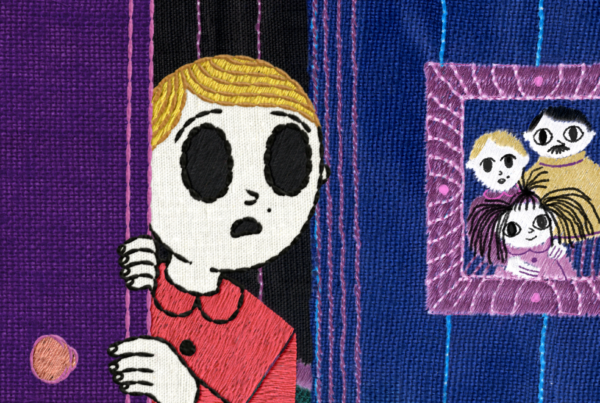
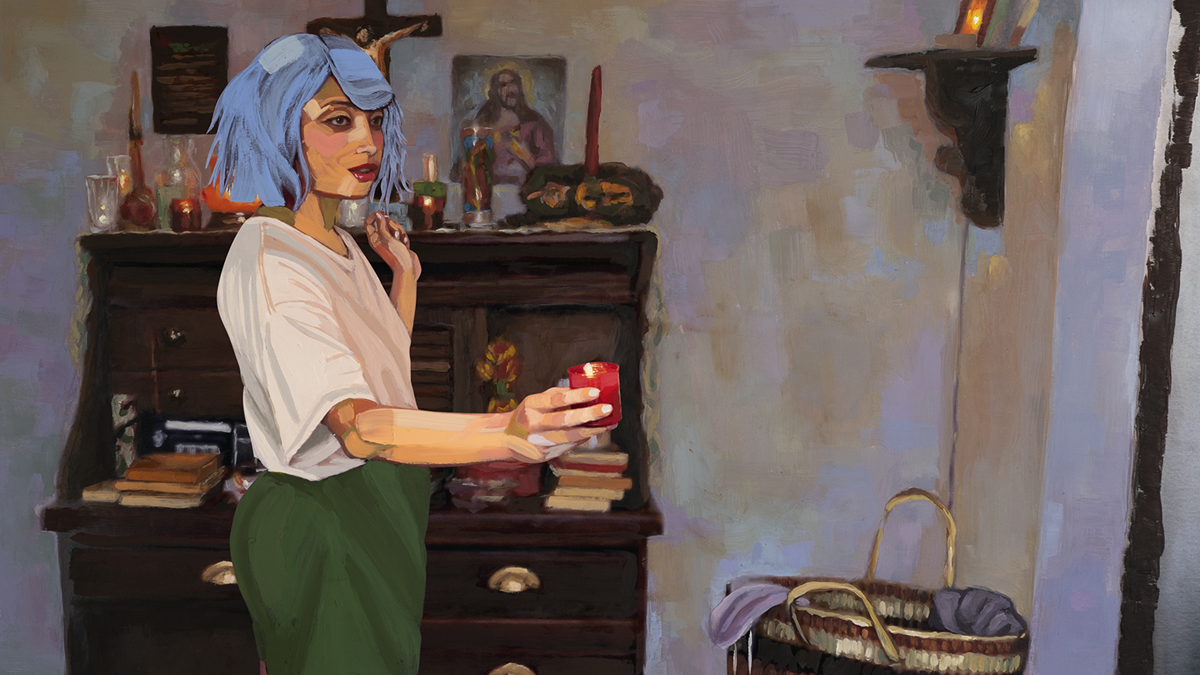
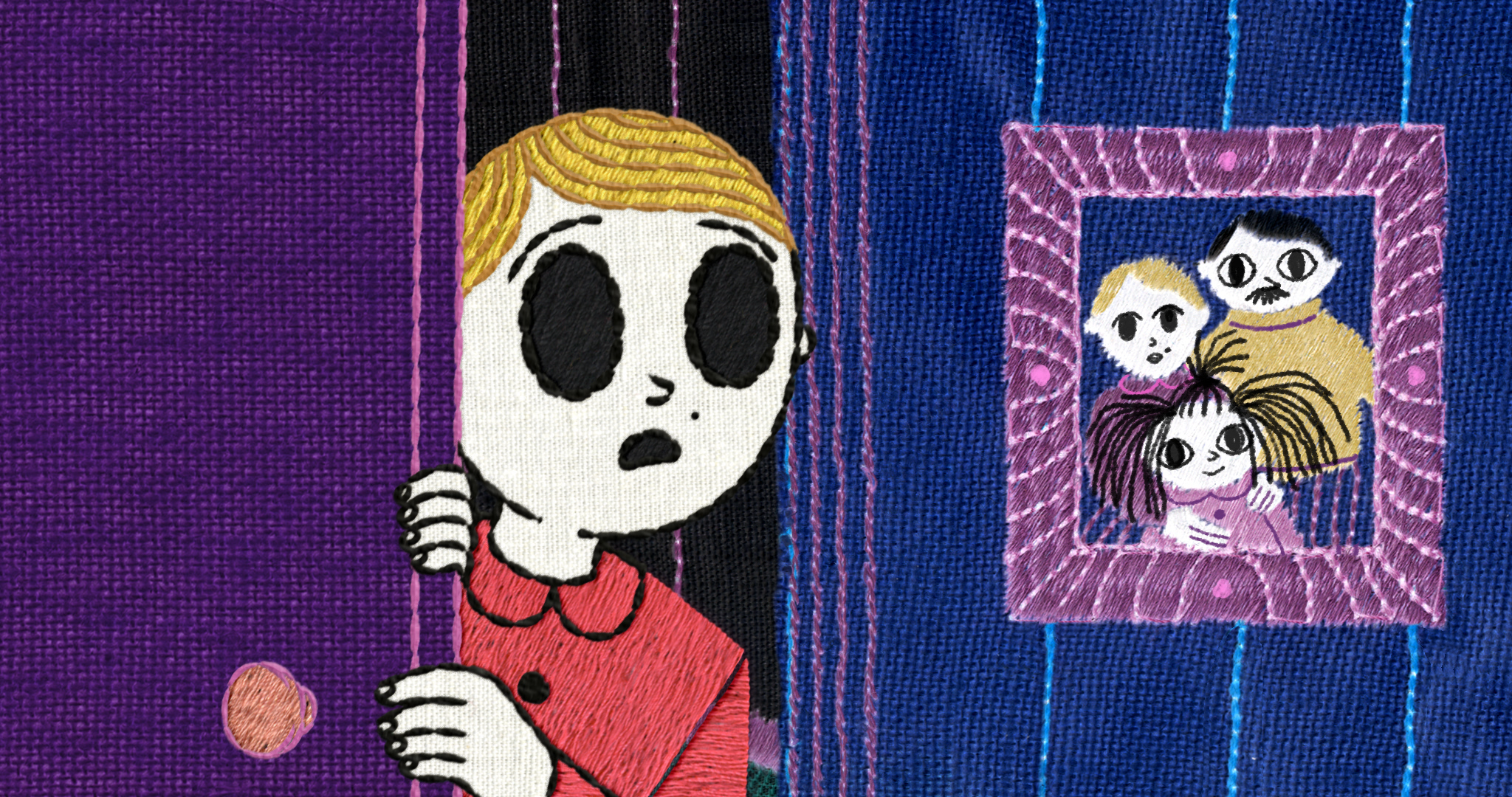
Audio-visual adaptation of the homonymous book created by the same director Bea Lema, El Cuerpo De Cristo stages a story of traumas, paranoias and lack of communication. A woman followed by the ghosts of a past that she does not manage to or does not want to remember, looks for a bond and a network in the village in which she lives, a village that proves to be deaf and extremely discriminatory towards invisible pain. The illustrated book becomes an animated short film with the technique of embroidery in stop motion, bringing to life, frame to frame, the story of a tradition, a family and of a past that is always current. Transformation after transformation, the strands that compose El Cuerpo De Cristo build a raw world that nonetheless holds a powerful spirituality, a reality studded by presences, shapes and memories.
Former Cult Member Hears Music For The first Time by Kristoffer Borgli (Norway, USA, 2020)
After a girl escapes from a context of abuse, oppression and isolation, a cinematographic troupe decides to follow her, through one of her new experiences, during her period of reintegration: listening to music for the first time. With the language of the mocumentary, the short film by the acclaimed well-known Kristoffer Borgli (Dream Scenario, The Drama) tells the discomfort of the victim as much as the one felt by those who observe. Child of a culture and a society that fetishizes and sensationalizes video content where people outside a preset “norm” discover simple and common abilities or do common actions that they could not do before or they did not know how to do, Former Cult Member Hears Music For The First Time tells with a powerful and precise image the addiction to pictures and the absence of empathy to which we are already dreadfully subject.
Four Percent by Monika Maslon (Germany, Argentina, Poland, 2025)
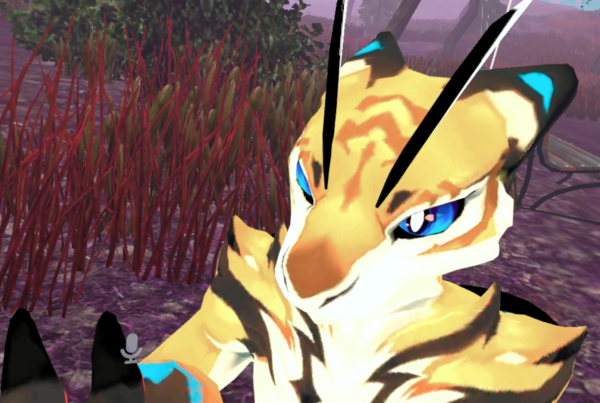
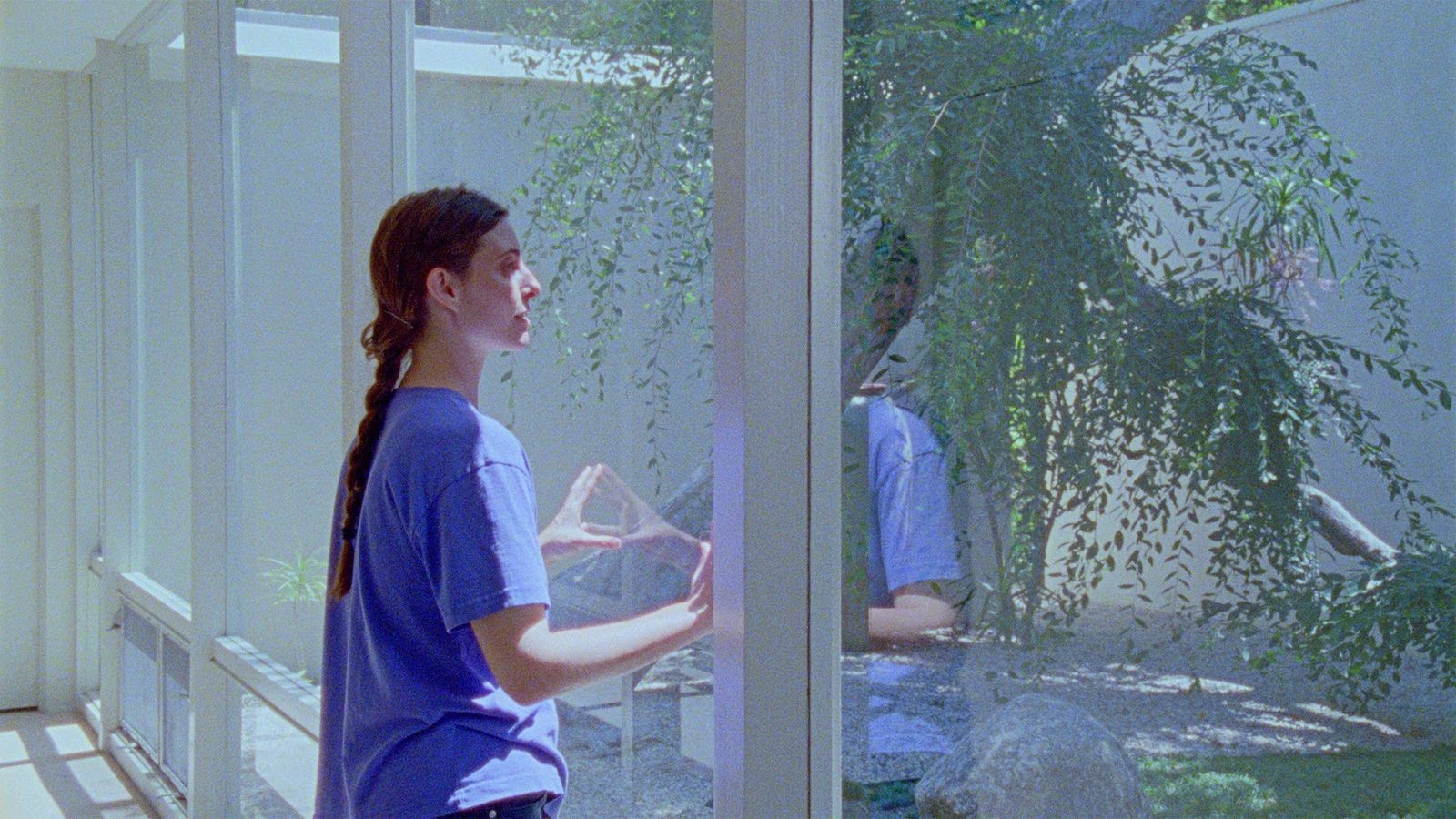
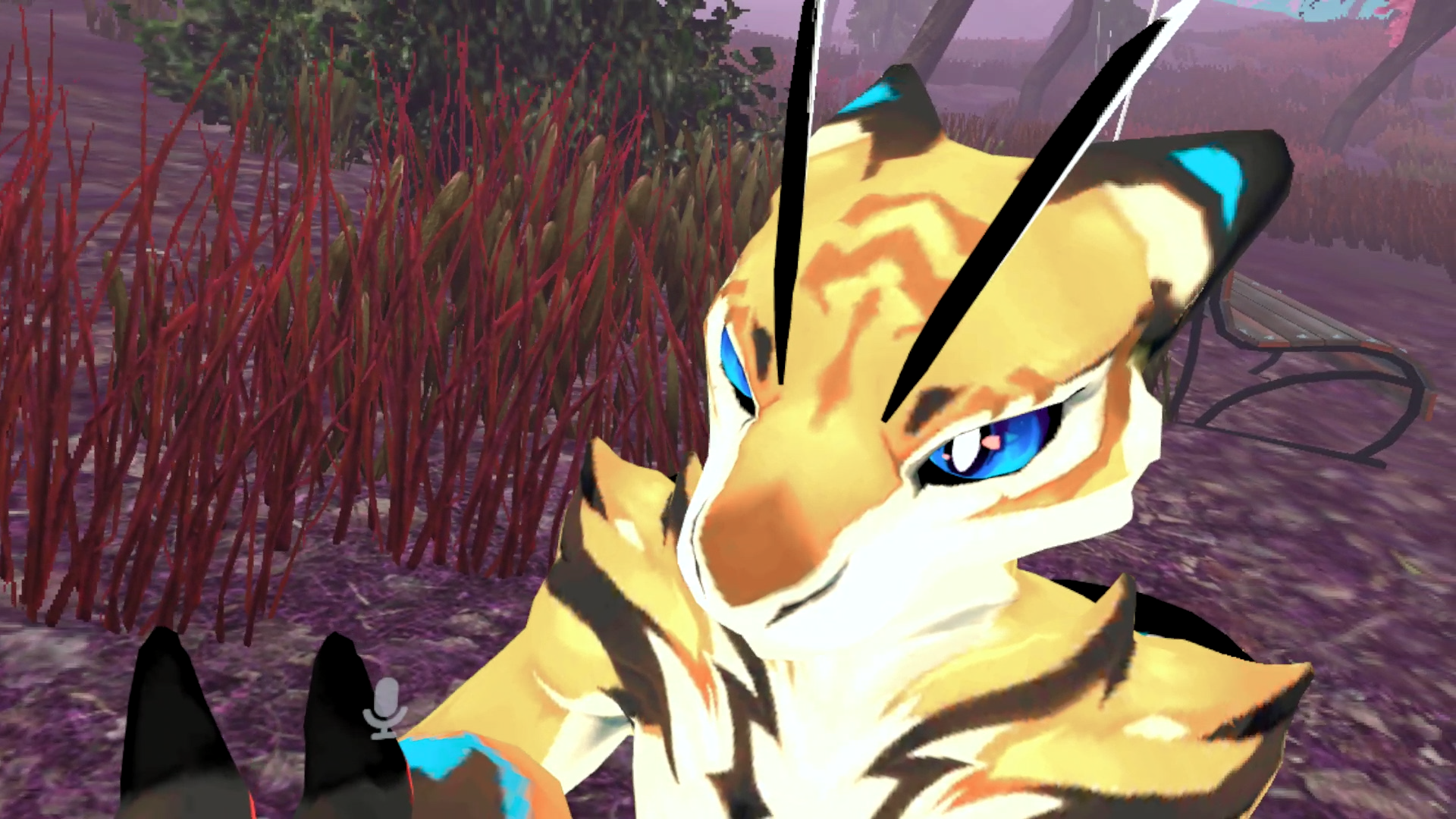
By exploring the languages of virtual reality and of the videogame, the experimental short film Four Percent becomes a study on empathy and the contemporary forms of intimacy. Or on their lack in the relationships that we come across today. This way Monika Maslon takes on the guise of a non-human or humanoid avatar and explores spaces and virtual encounters, observing the interactions and the reactions of the other avatars. The request to hold hands leaves someone unsettled, someone else enthusiastic, giving life to conversations in VR languages, which in fact contain ideas and reflections of real life, regarding physical contact, comfort, discomfort and intimacy. A non-physical exploration necessary to reach empathy levels that our three-dimensional bodies have stopped learning.
Hypersensible by Martine Frossard (Canada , 2025)
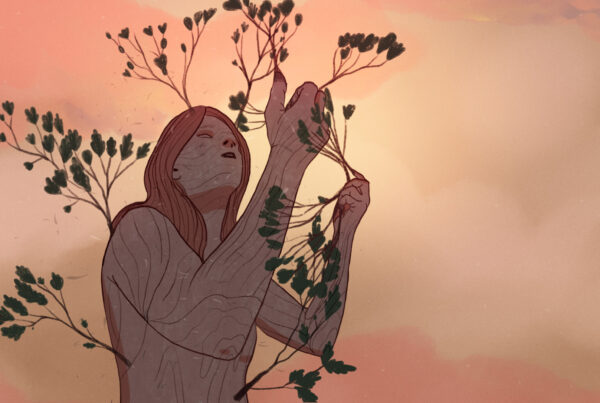
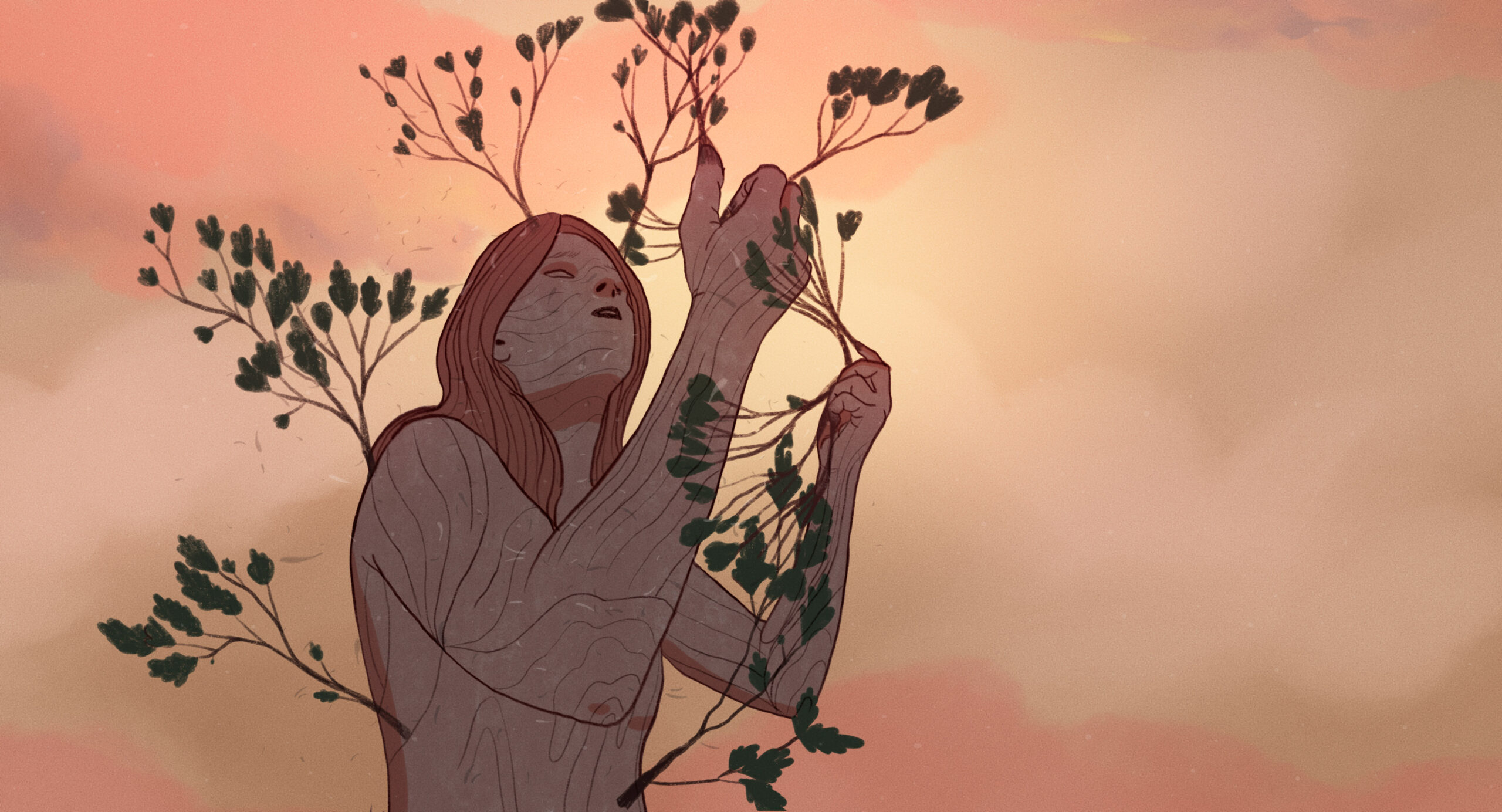
Sensitivity, the emotional world, and nature are often used to narrate one another. Through births, transformations, seasons, and losses, Hypersensible tells the story of a young woman grappling with grief and the reconstruction of her own identity. With a dreamlike, evocative, and metaphorical animation inspired by the plant world, the film transforms grief and fragility into a journey of inner rebirth. A young “hypersensitive” girl lives, by contrast, in a society that prizes emotional control and rationality. Depicting a visionary, poetic, and deeply spiritual world, Martine Frossard’s short film cries out and glorifies intense emotionality: a resource that makes it possible to give shape to pain and carry it toward transformation.




Commenti recenti