
curated by Claudia Praolini – reviews by Serena Varrucciu
Ubik is an out-of-competition part of the festival, where the works with the most innovative language find their natural spot. Whereas the aim of short films experimenting new ways of expression has always been one of the core criterion for selecting and evaluating all the films competing at Concorto, the Ubik ones push the limit a bit further, in less-charted territories, where the border between cinema and video fades away. It is a kind of cinema which talks about itself, a cinema which turns its eye towards itself, revealing with no shame the mechanisms upon which video-recording is based. A kind of cinema which, conscious of its structures and language, decides to “unveil the trick”, but exactly thanks to this process, turns the viewing into opaque, as if meta-cinema were a lens which works the other way around, capable of blurring the layers of which reality is made and the experience of viewing itself.
The selected shorts
curated by Claudia Praolini
Cold Call by Stefanie Schroeder, Germany, 2025, documentary, 21′
I Want my People to be Remembered by Helene Giannecchini, France, 2025, experimental documentary, 26′
Perfectly a Strangeness by Alison McAlpine, Canada, 2024, experimental, 15′
State of lowest Probability by Willy Hans, Germany, 2025, experimental fiction, 24′
Reviews by Serena Varrucciu
COLD CALL
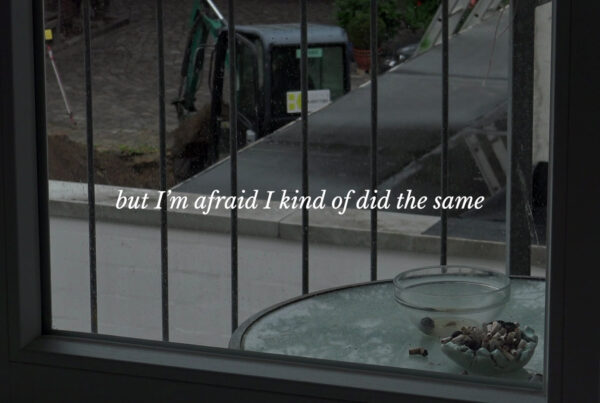
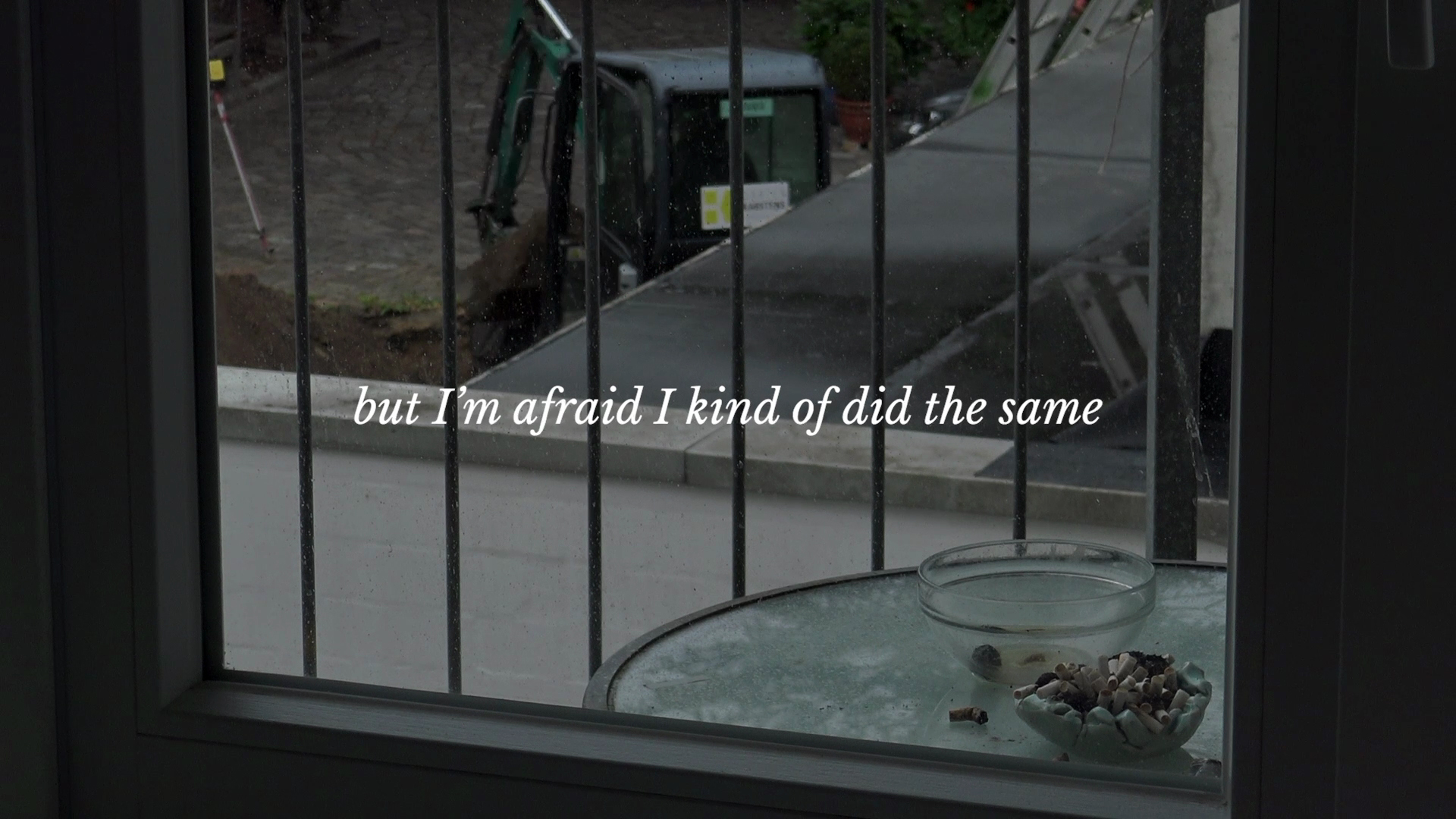
The writer describes a 2020 call from a man named Daniel Richards. This man said he was a Microsoft technician, but he was actually a fraud, one of the many people exploited by call centres. The woman, driven by boredom and apathy, doesn’t hang up the phone straight away, nor does she become a scam baiter (hackers dressed as securities who fool the frauds themselves). They don’t know each other; one of them is not who he says he is, and they are far apart, connected only by a nonexistent link created by the phone. That’s why the woman makes an unexpected choice: she talks. She fills the man who wants to swindle her in on the end of the engagement, on her mother’s death, which she was still paralysed by, and on the loneliness of those hours spent doing nothing besides watching outside her window. What comes up is an absurd moment of brutal honesty, while the two strangers talk about love’s nature.
I WANT MY PEOPLE TO BE REMEMBERED
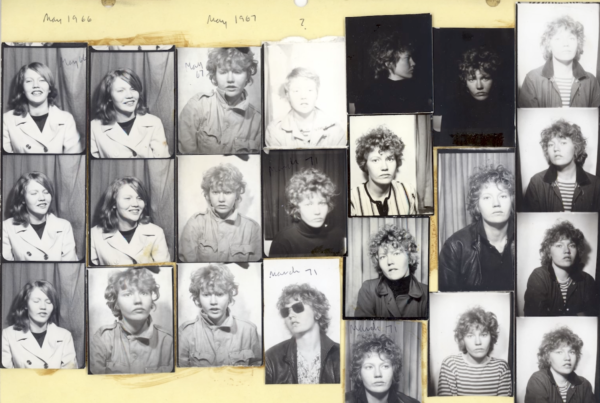
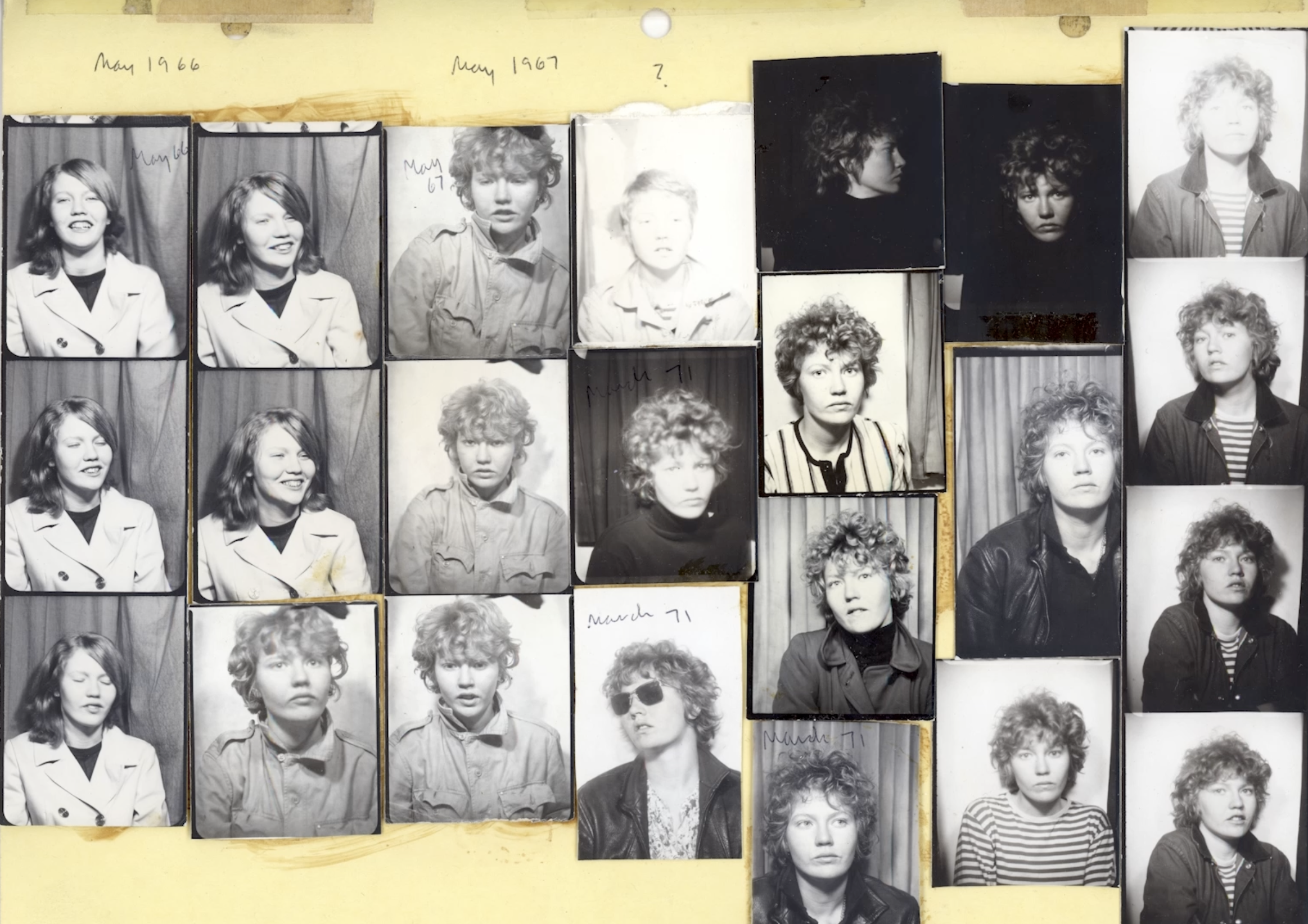
The photographer Donna Gottschalk tells Hélène Giannecchini, the producer of the short film, a brief but fundamental part of her life. It’s a period between the Sixties and the Seventies, when she was a young artist, not sure of her future and surrounded by a group of friends who opened her eyes to a different way of living her sexuality. It’s an oral story dressed as an interview that walks us through Donna’s photographs: friends, parties in gay pubs, her experience as a model for art students, fights for homosexual rights, her sister’s transition. What strikes us in these stories is the tenderness and admiration with which, even after fifty years, she talks about her past and all her departed friends.
STATE OF LOWEST PROBABILITY
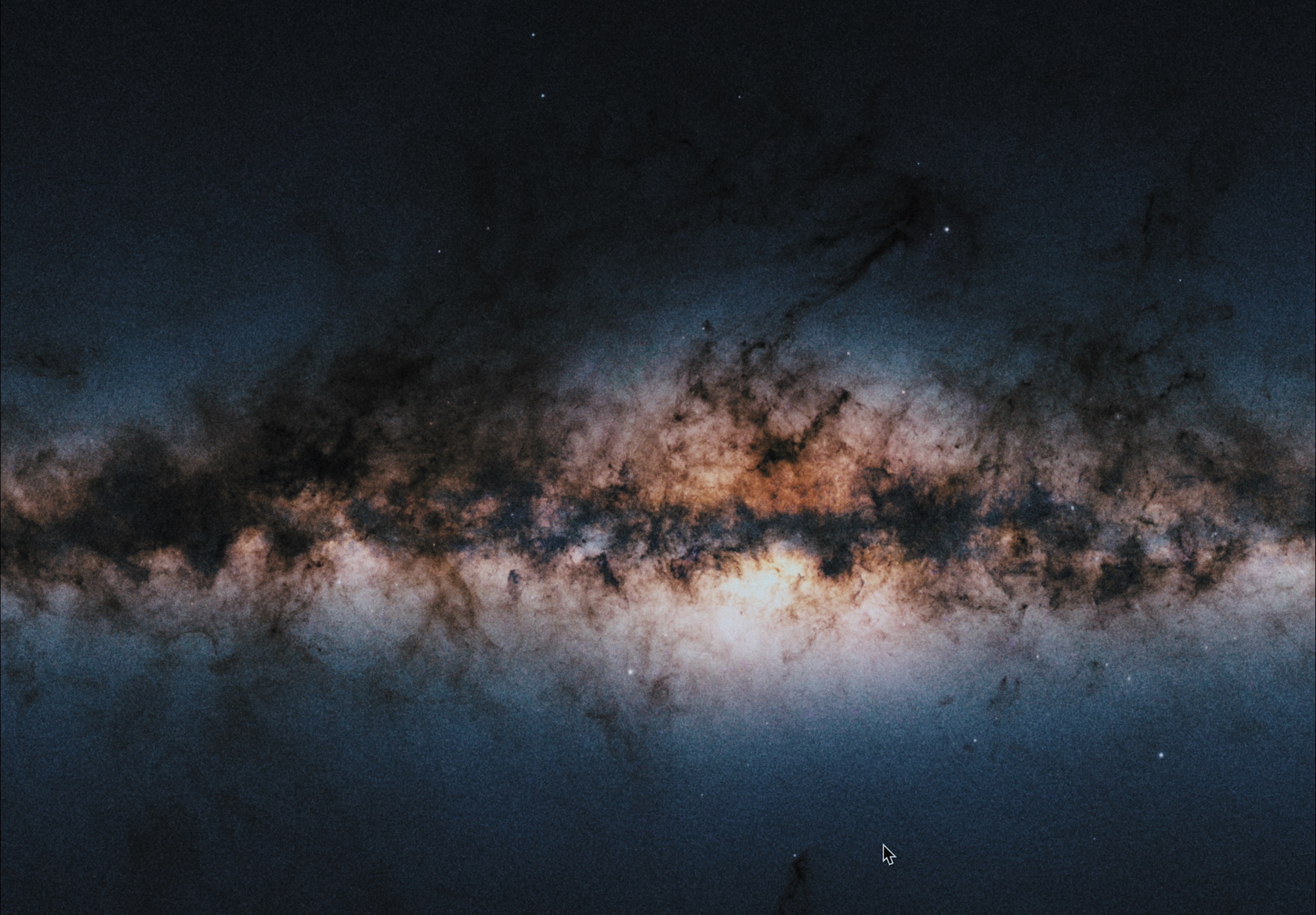
Charlotte temporarily moves into an apartment in another city, maybe one of her friends’, waiting for the arrival of the new tenants. She makes the most of this time to keep up with her research about the heat death of the universe. The theories that she read in her handbooks – like entropy and the laws of thermodynamics – start to reflect on her life. Charlotte stays in a closed space that is not hers, and that doesn’t have any connection with the outside. A whispered off-screen voice explains that entropy can be connected to uncertainty and that its increase leads to thermodynamic equilibrium. But when it reaches high levels, it causes a “system failure”, in which no macro event can happen. And, as a matter of fact, Charlotte spends her days between the library and the apartment, both tidy and quiet places, in which she doesn’t interact with people. One night she invites her neighbour to have a drink with her and it might develop into something more, but in the next scene it’s ruled out. Her life seemed to have reached that “system failure”. What is left is a grain of sand – just like the one given to Bastian by the Empress of Fantasia – that Charlotte can use to create a new world.
PERFECTLY A STRANGENESS
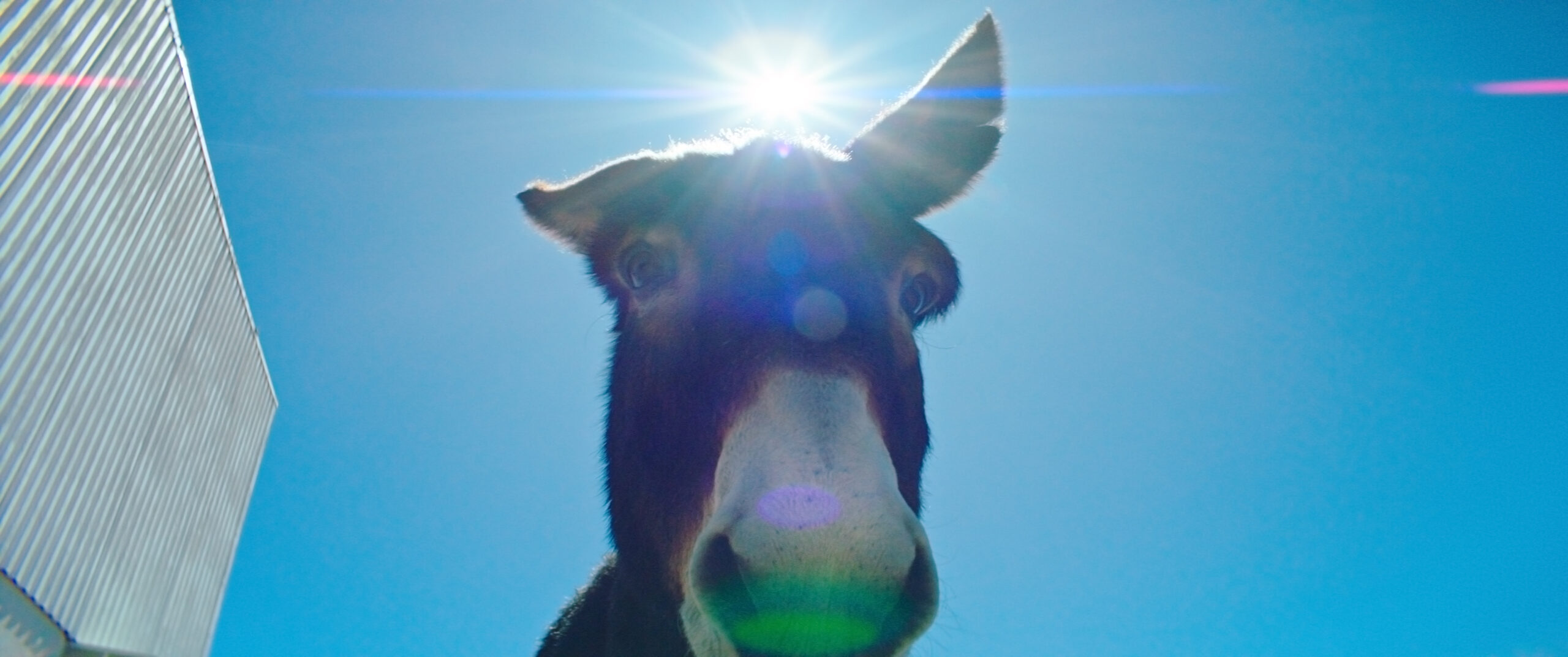
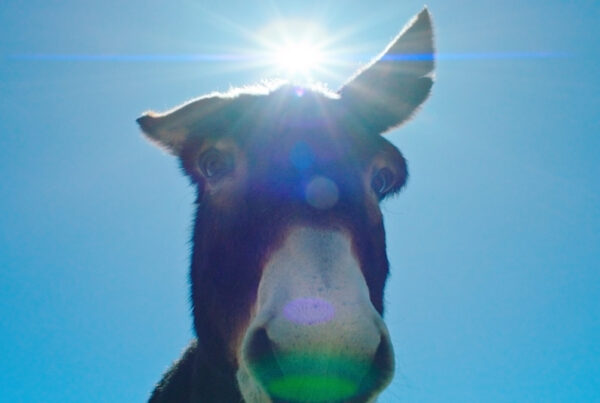
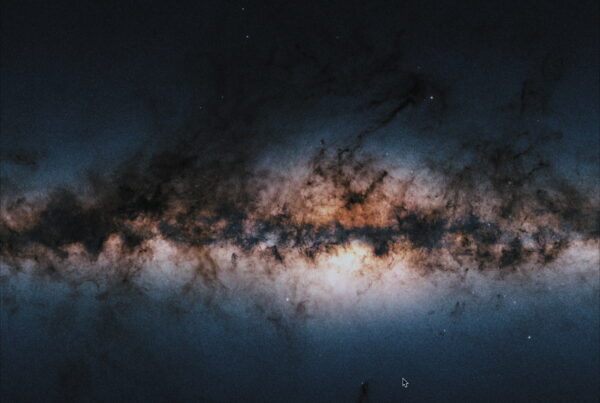
Three donkeys are walking side by side on boundless streets that cross the Chilean desert to reach an observatory and admire the wonderful starry night and come back at dawn. This is, in plain words, the “plot” of the short directed by Alison McAlpine – and yet we found ourselves in a quirky world. The director cuts off human presence and dialogue, and works with different lights during the day, the reflection of the sun in the animals’ eyes, the movement of their ears; we hear the sound of their hoofs on the concrete, their cry and their breaths. She takes her time to linger and scan, showing us the scorched and abandoned landscape which clashes with the coldness of the observatory’s interiors, where, even here, the man is absent. McAlpine goes beyond narration and documentary, and creates a sensory experience.


Commenti recenti