
curated by Claudia Praolini
Human being: a water creature.
The Supernature focus this year is largely devoted to short films featuring water as their main character. Water is an essential element for life on our planet, yet during history we acted as if it were an inextinguishable resource. Climate change has now confronted us with the fact that water resources must be preserved. We can already observe what happens in territories affected by desertification: animal and plant life disappears and such areas become unbearable for human beings. The answer is a radical change in our attitude towards this vital, precious resource. We need to raise awareness about the fact that wasting water and polluting rivers and seas is an ecological crime that is inflicting and will continue to inflict its disastrous effects on today’s humanity and on future generations. Maybe, to think about the future, we should somehow go back to the past, to ancient times, when water was nothing more than an expression of God, the god of creation, wisdom, and fertility. The films that make up this Focus explore the role of water from different points of view, as an agent of change and transformation in the landscape and of life of those who live there, whether it in territories destined to be periodically flooded, or in places water has simply disappeared, leaving behind nothing but an ocean of dust.
The selected shorta
curated by Claudia Praolini
Belle River by Guillaume Fournier, Samuel Matteau, Yannick Nolin, Canada, Quebec, USA, 2021, documentary, 11′
Chuuraa by Evgenia Arbugaeva, UK, 2026, documentary, 18′
Haulout by Evgenia Arbugaeva, Maxim Arbugaev, UK, Russian Federation, 2022, documentary, 25′
La Creciente (The Rising) by Lluís Miras Vega & Luz Ruciello, Argentina, 2016, documentary, 13′
Once There Was A Sea by Joanna Kozuch, Poland, Slovakia, 2021, animation, 16′
Solenopsis Invicta by Victor Missud, France, 2025, documentary, 30′
The Coast by Sohrab Hura, India, 2021, experimental documentary, 17′
Reviews by Matilde Ambiveri
Chuura by Evgenia Arbugaeva
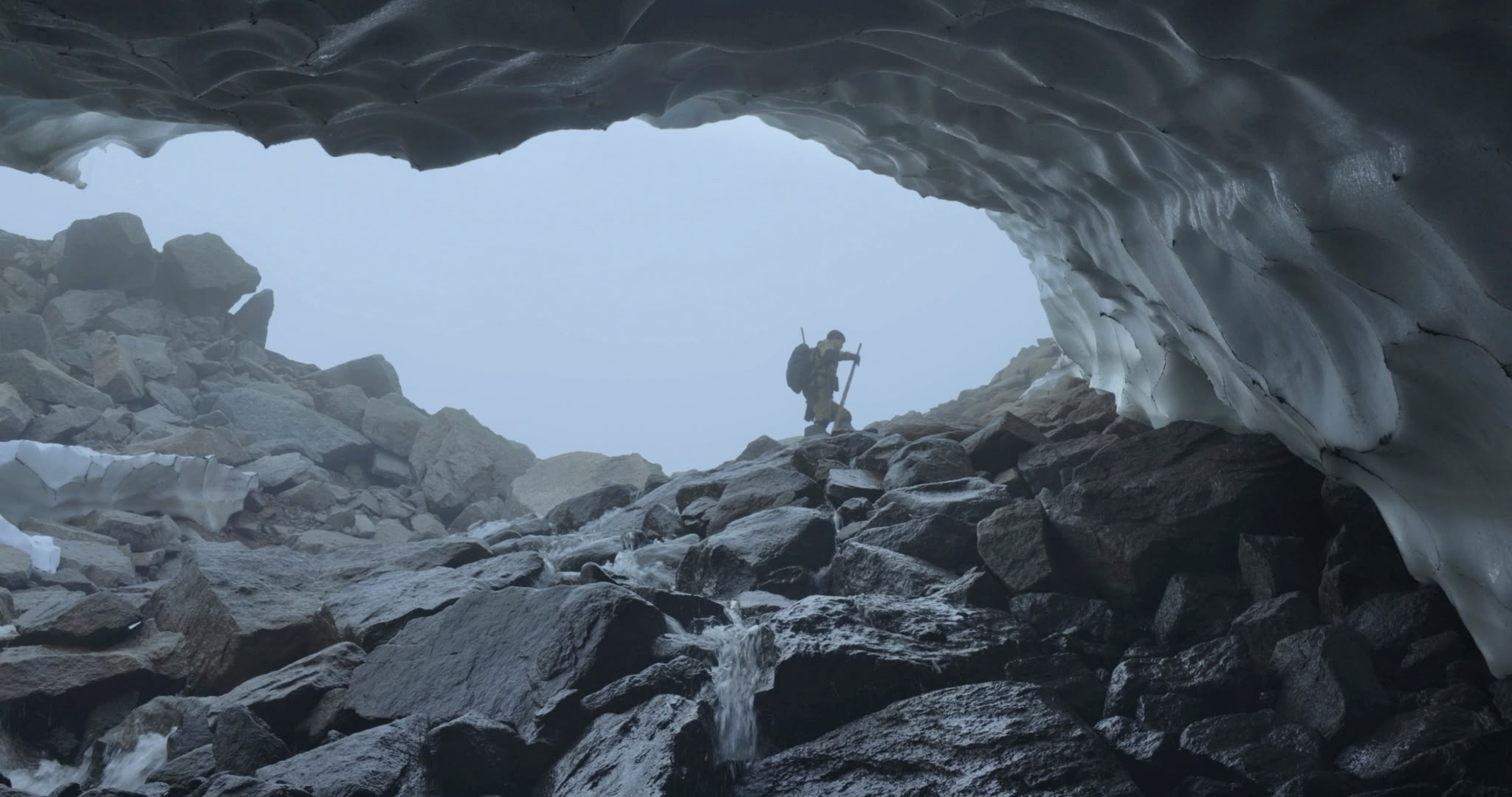
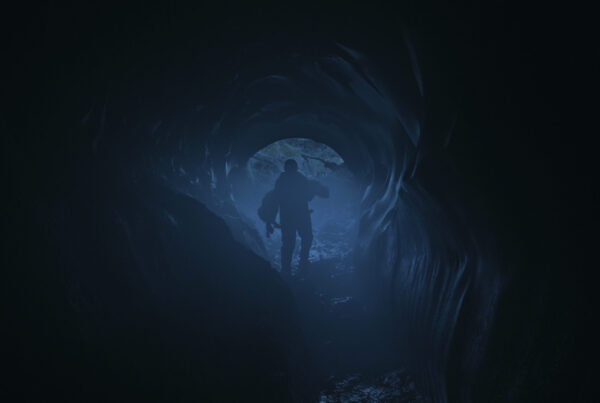
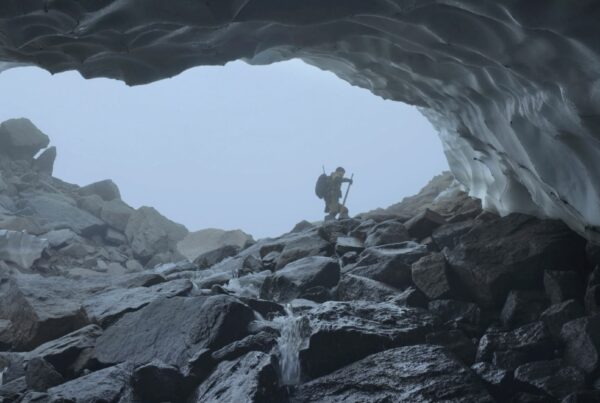
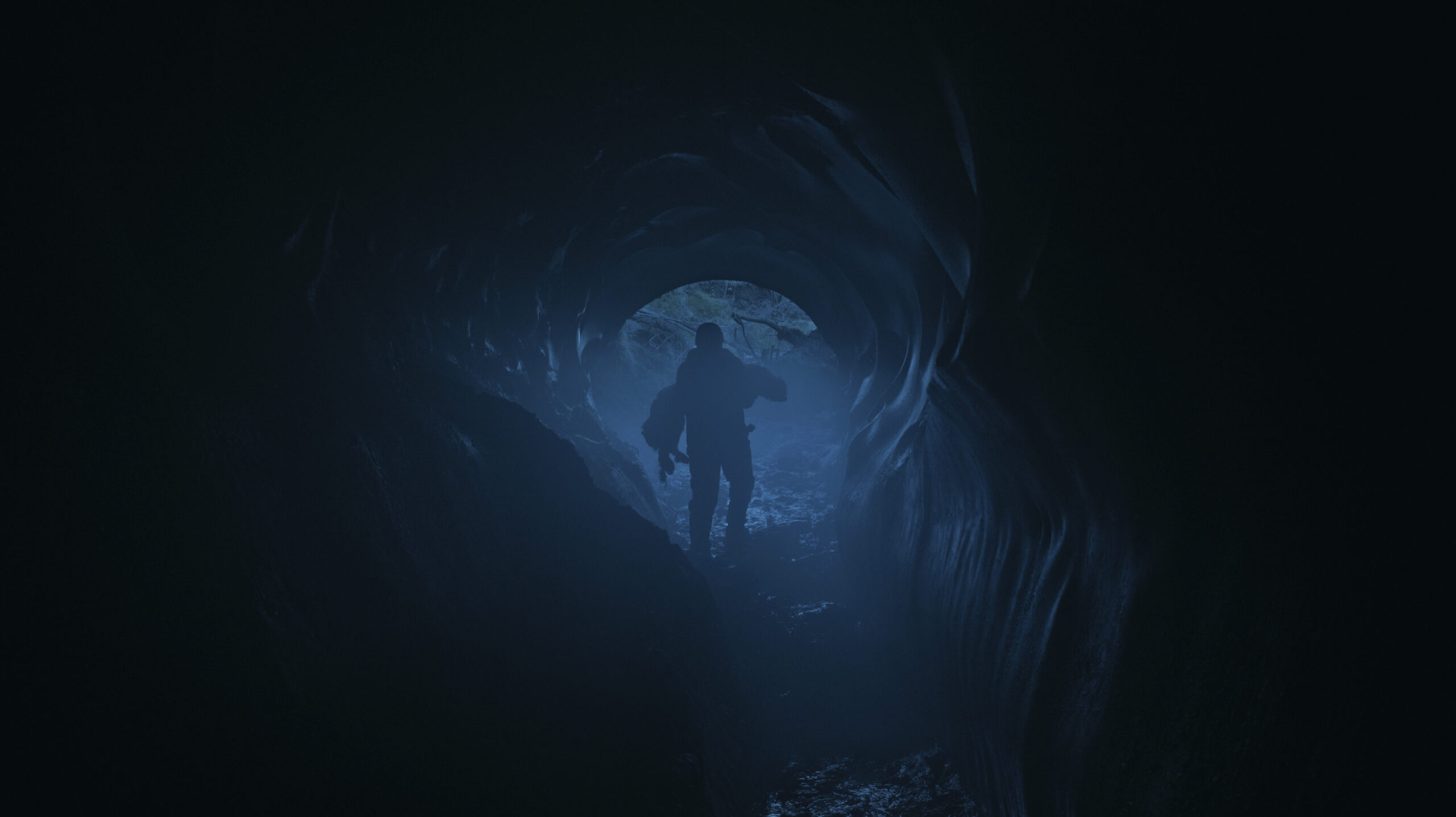
Following paleontologist Aisen Klimovskii into the depth of Siberian land, Chuura navigates scientific exploration and imaginary ancestry. On the search for a distant past, the protagonist traverses landscapes and caves, until the rediscovery of a 44,000 year old wolf perfectly preserved in the permafrost. Evgenia Arbugaeva’s film intertwines paleontological findings with epic poetry of the Sakha nation, restoring an almost maternal and mysterious role to the earth. But what emerges from under the ice doesn’t solely belong to the past: the melting of the permafrost makes creatures and microorganisms that have stayed buried for millennia once again accessible.
Belle River by Fournier, Matteau, Nolin
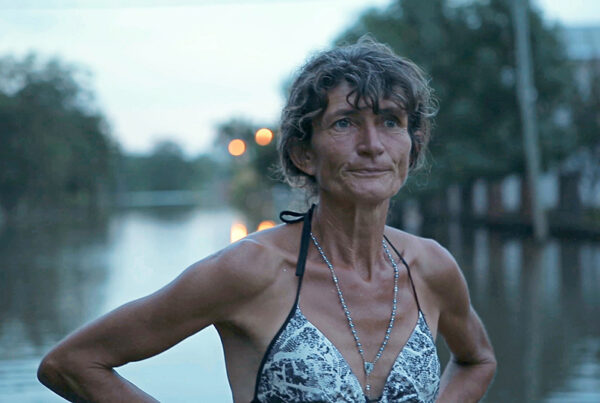
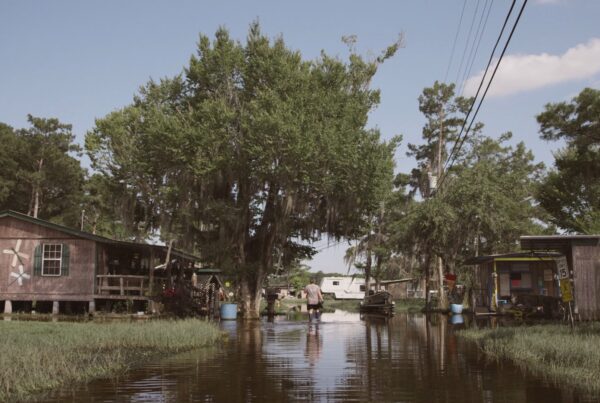
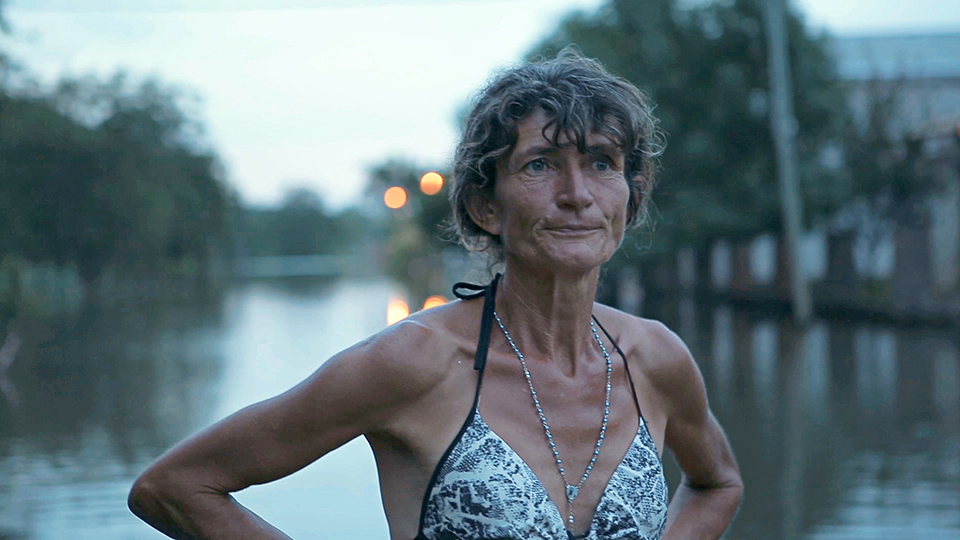
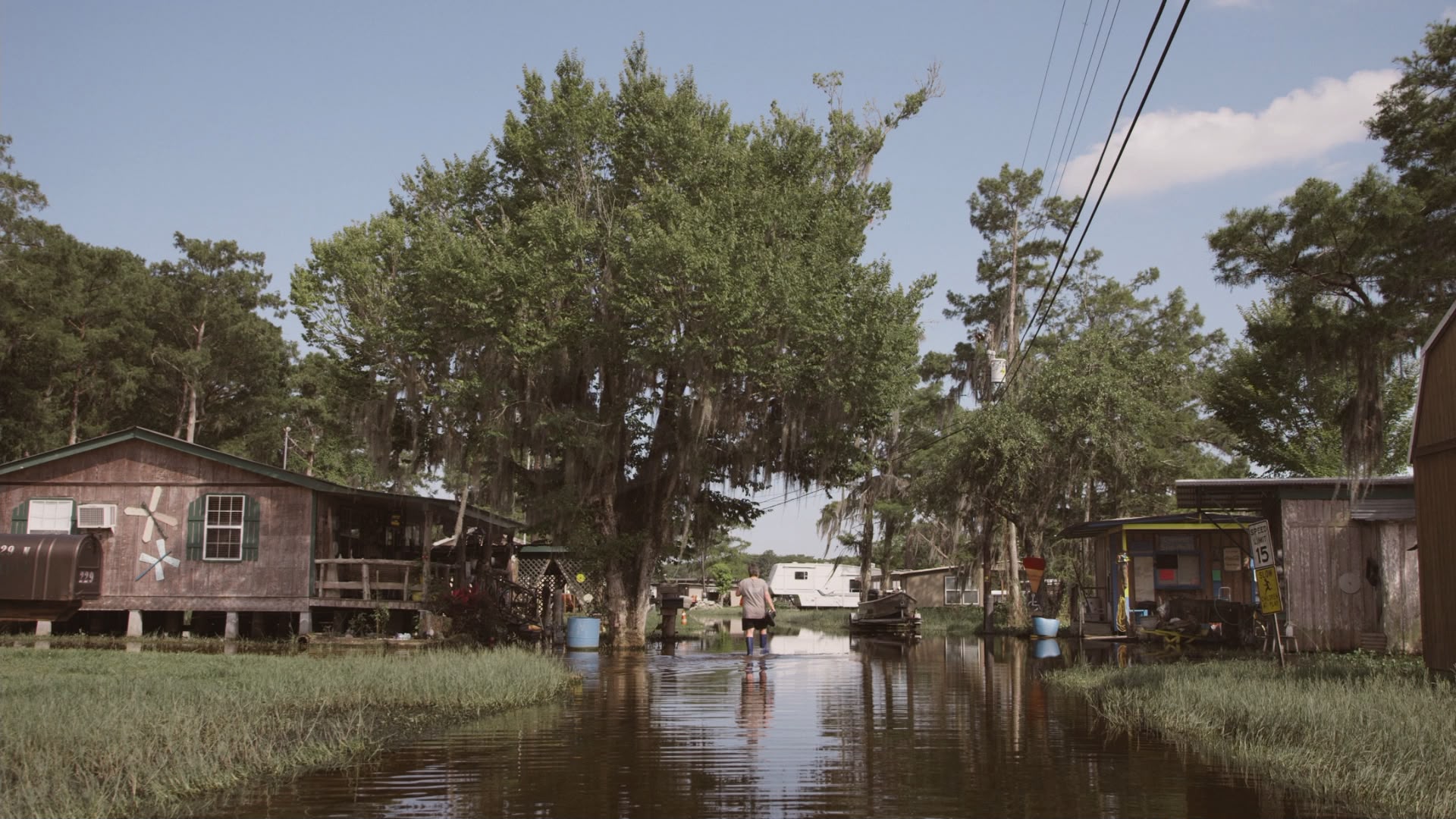
In the Atchafalaya Basin, in Louisiana, residents of Pierre Part prepare for yet another possible flood as water slowly occupies roads and landscapes. Community testimonies convey the hopelessness of who has learnt to live alongside this increasingly fragile and unpredictable environment. The bayou landscape, captured in colorless, almost ghostly images, alternates between submerged houses and abandoned spaces, creating a suspended and unsettling atmosphere. From the river’s waters, a call spreads, in a gesture that seems almost to address both the landscape and those who observe it.
Solenopsis Invicta by Victor Missud
In a lush and seemingly pristine plant nursery,humans, animals, and plants coexist in an interesting balance. The short film follows the journey of an ant and a mysterious blue object, until the arrival of pest control workers called in to eliminate the Solenopsis invicta, or the so-called fire ant, that recently arrived in Europe. Amid surreal images, calls for peace, and interspecies communication conveyed through light effects and reflections, what seemed like a locus amoenus gradually transforms into a threatened space. “Everybody wants to live together, why can’t we live together?” goes the song that accompanies the destruction, revealing the paradox of a world in which coexistence seems possible only as long as no one is perceived as an alien.
La creciente by Ruciello, Vega
La creciente explores a community confronted with a landscape completely transformed by water: roads, homes and street signs are almost entirely submerged, yet the inhabitants continue to fish, chat and go about their daily lives. Set in the Misiones region, between Basil, Paraguay and Argentina, the film portrays the consequences of deforestation in a territory increasingly exposed to flooding. Water invaded every space, but life seems to go on, in a balance that has now become precarious.
Haulout by Evgenia Arbugaeva, Maxim Arbugaev
On a remote Arctic coast, marine biologist Maxim Chakilev spends his days observing one of the world’s largest herds of walruses. In 2020, with no sea ice present, more than one hundred thousand animals flocked onto the land, covering the entire shoreline surrounding the man’s huts. The short film silently follows this extraordinary assembly, ultimately revealing the consequences of their presence in large numbers on land. The documentary thus illustrates the effects of climate change on a species forced to alter its natural rhythms.
The Coast by Sohrab Hura
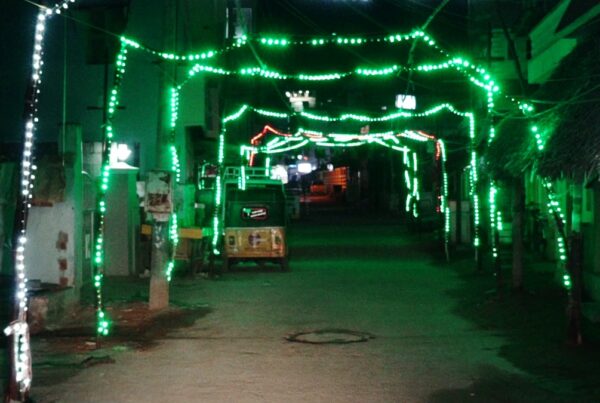
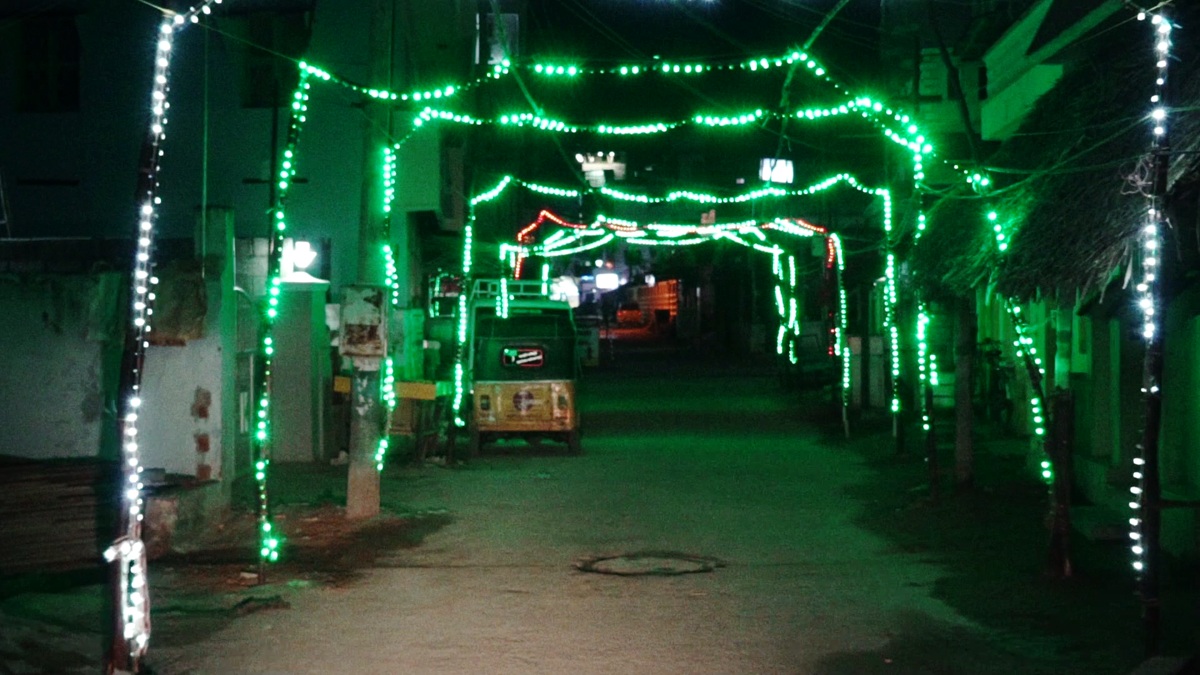
The Coast opens with a thunderstorm, accompanied by a pounding sound that overlays images of people in traditional clothing submerged in water. The short film unfolds through evocative images, alternating between seascapes and moments of coastal life, ranging from sacred rituals to scenes set in an amusement park. When the artificial noise fades away, only the sound of the sea remains, restoring a more intimate and natural dimension to the landscape. The nighttime images help create an otherworldly atmosphere, in which water, people, and the landscape seem to merge into a single, suspended dimension.
Once There Was a Sea by Joanna Kożuch
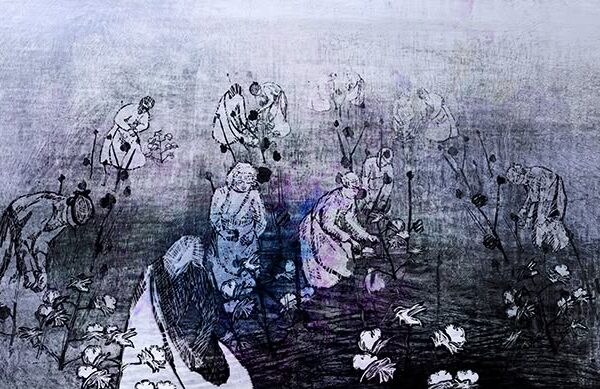
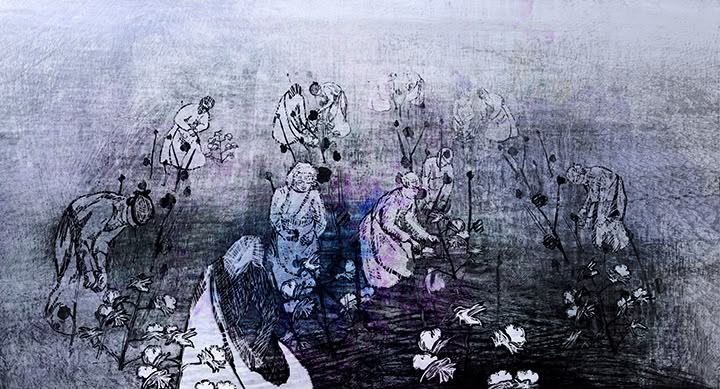
In Muynak Uzbekistan, on the now-vanished shores of the Aral Sea, a woman photographs what remains of a city that once thrived on the sea. The black and white short film reserves color exclusively for the deep blue of the water, as if it now only belonged to the memory. The voices of the inhabitants recount a blooming past and a present reality made up of sand, salt and hopes tied to unlikely plans of the lake’s revival. In the final scene, the photographs documenting the city’s reality are deleted, leaving it up to the film itself to preserve its memory through illustrations alone.




Commenti recenti